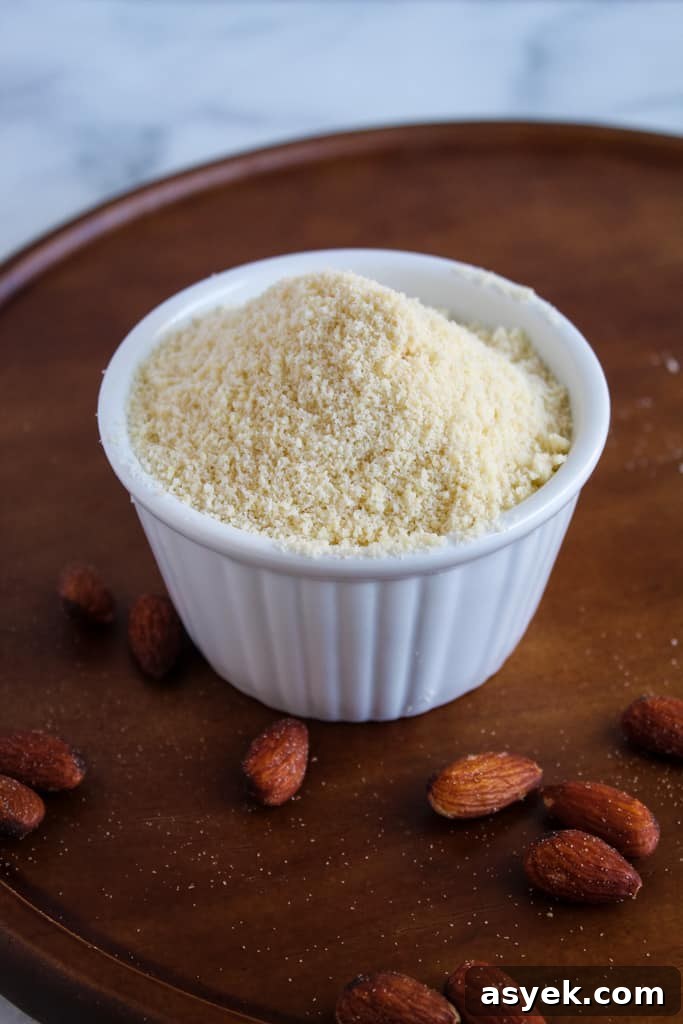
Each almond-flour substitute behaves differently. Using the wrong one — or the wrong ratio — can leave bakes dry, dense, or greasy.
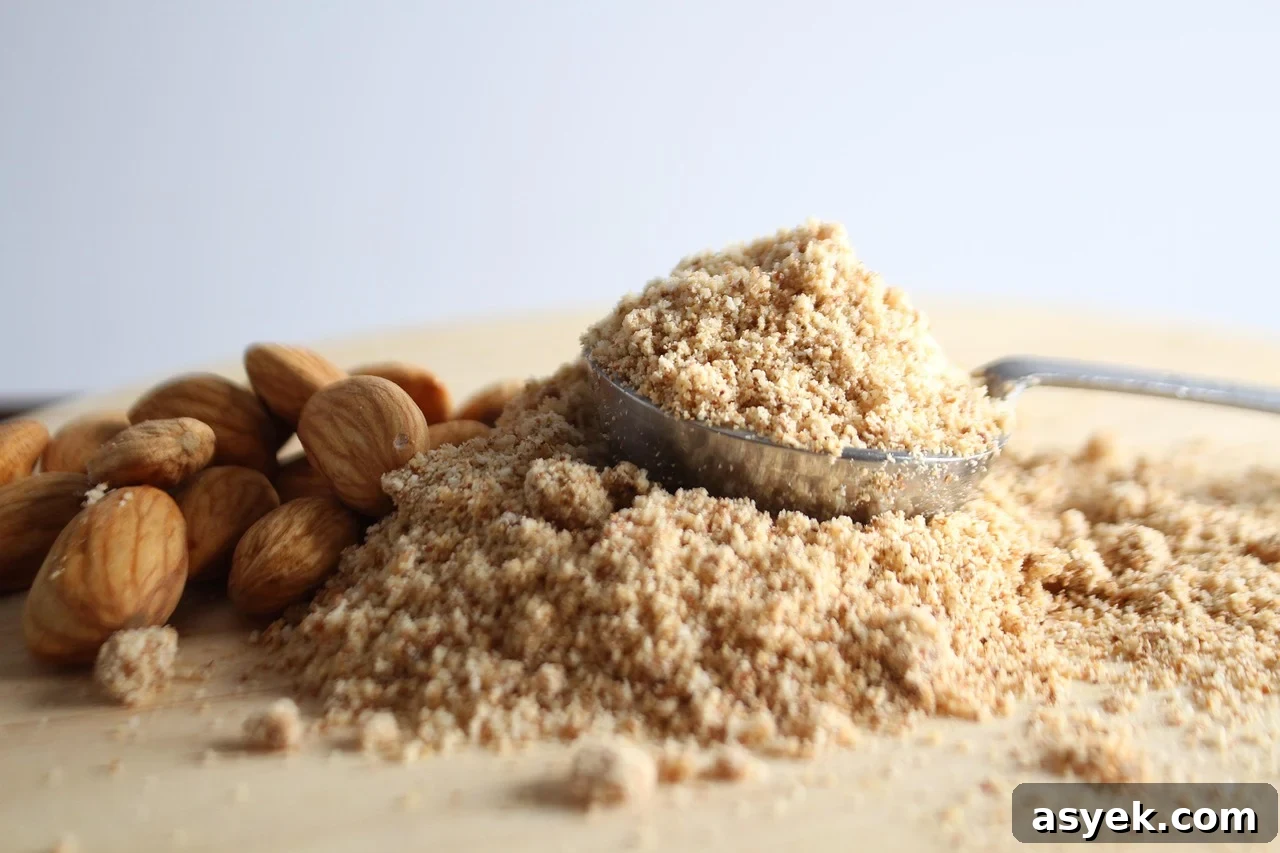
Almond flour is unique because of its high fat content and lack of gluten, so replacements require careful selection and adjustment. Small differences in texture, moisture absorption, and fat content can change the structure and mouthfeel of your finished bake.
This guide lists the most reliable alternatives and explains when and how to use them so you get consistent results.
Quick Answer: Best Almond Flour Substitutes
The best substitute depends on your recipe, but these options work well when used with the right ratios:
- Oat Flour: 1:1 for cookies and cakes — light texture and mild flavor.
- All-Purpose Flour: 1:1 for general baking when gluten is acceptable — adds structure.
- Coconut Flour: Use 1:¼ of the amount and increase liquids — very absorbent.
- Sunflower Seed Flour: 1:1 for a nut-free, similar-fat alternative (may alter color slightly).
Almond Flour Substitute Ratio Chart
Use this quick chart as a starting point; tweak based on your batter and desired texture.
| Substitute | Ratio | Best For | Notes |
|---|---|---|---|
| Oat flour | 1:1 | Cookies, cakes | Mild flavor, softer crumb |
| Coconut flour | 1:¼ | Dense, low-carb bakes | Highly absorbent — add liquid/eggs |
| All-purpose flour | 1:1 | Bread, general baking | Contains gluten — more rise |
| Sunflower flour | 1:1 | Nut-free baking | Slight color change possible |
These ratios are reliable starting points, but adjust for moisture, fat, and binding needs of the recipe.
What Is the Best Almond Flour Substitute?
Oat flour is the most versatile and closest match for many recipes because it yields a similar soft texture and typically works 1:1 in cookies, muffins, and cakes. However, the “best” choice depends on your goal:
- Coconut flour: Best for dense, low-carb bakes when you can add extra liquid and eggs.
- All-purpose flour: Best when you need structure and rise (not gluten-free).
- Sunflower seed flour: Your top nut-free alternative with a comparable fat profile.
12 Best Almond Flour Substitutes
Each substitute behaves differently; choose based on whether you need softness, structure, or balanced moisture.
Oat Flour
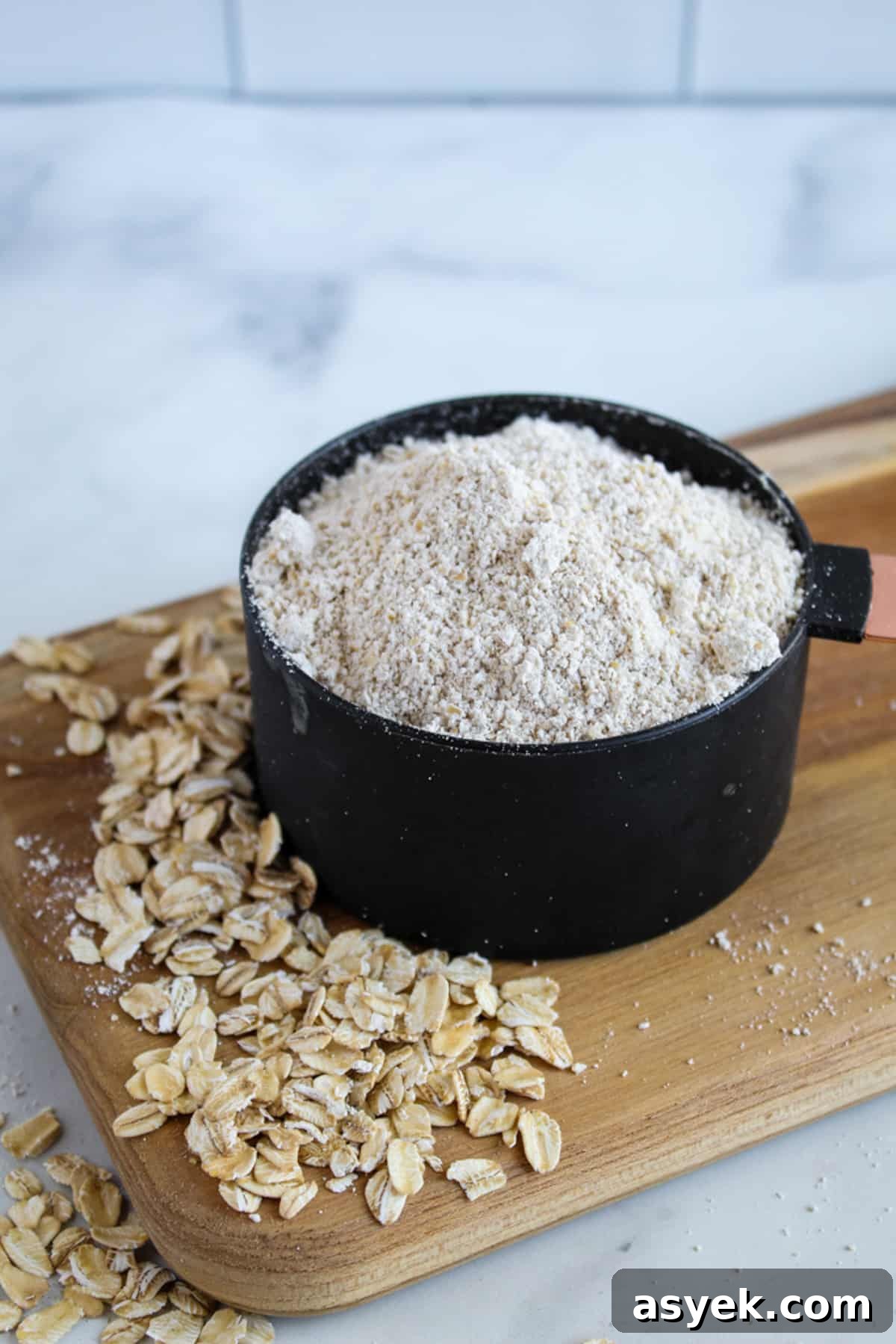
Oat flour is one of the closest matches to almond flour thanks to its mild flavor and tender crumb. Use 1:1 in cookies, muffins, and cakes. It makes a lighter texture but less rich than almond flour, and it’s not ideal for breads that require strong structure.
Coconut Flour
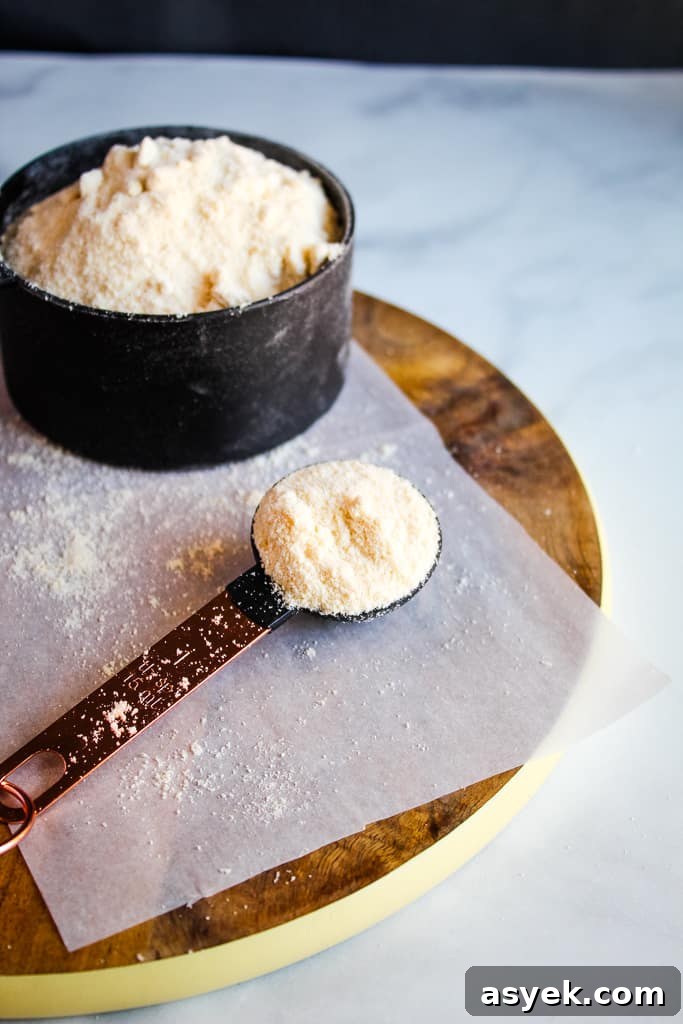
Coconut flour is extremely absorbent and works best in recipes that rely on eggs for structure. Use roughly 1/4 the amount of coconut flour to almond flour and increase liquids and/or eggs to avoid dry, compact results.
All-Purpose Flour
All-purpose flour brings gluten, which gives rise and stability. Use about 1:1 and slightly adjust liquids. This is a good swap for breads and structured cakes, but it shifts the texture away from the delicate almond-flour profile.
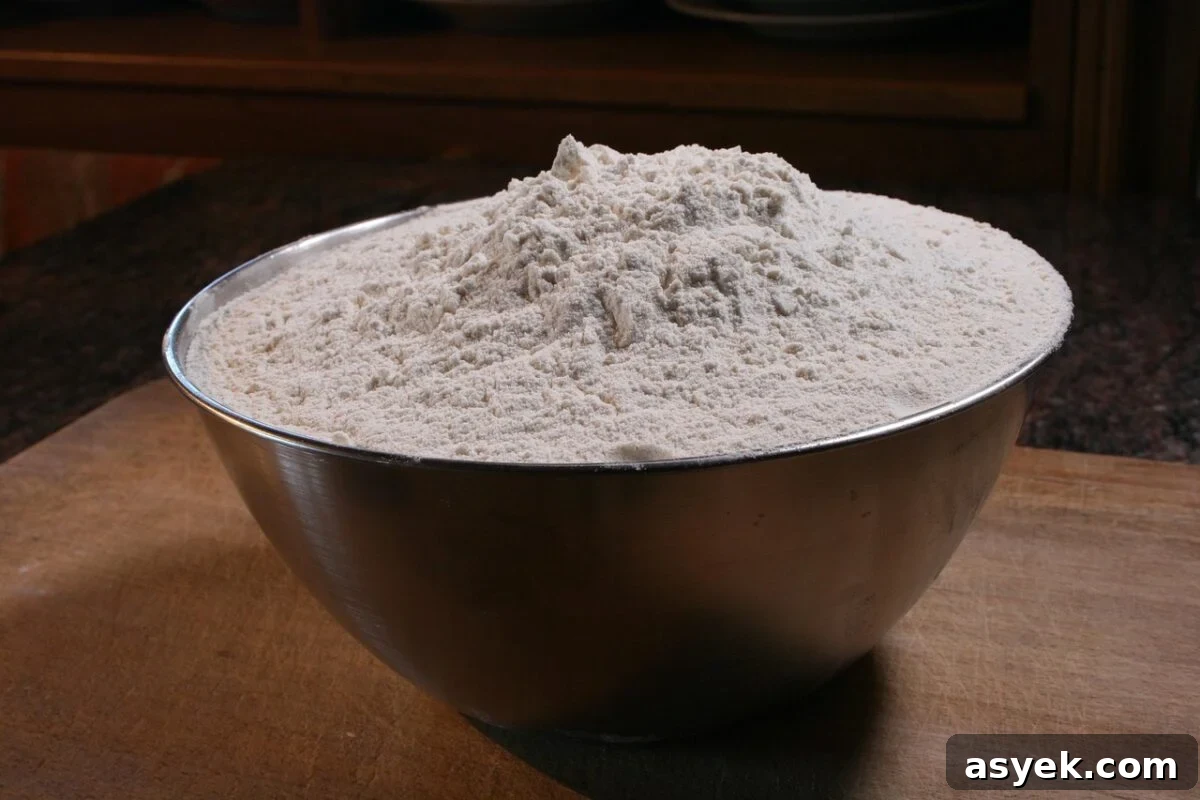
Sunflower Seed Flour
Sunflower seed flour offers a nut-free option with a similar fat content. Use 1:1 for cookies and general baking. Expect a slightly denser result and possible color change during baking.
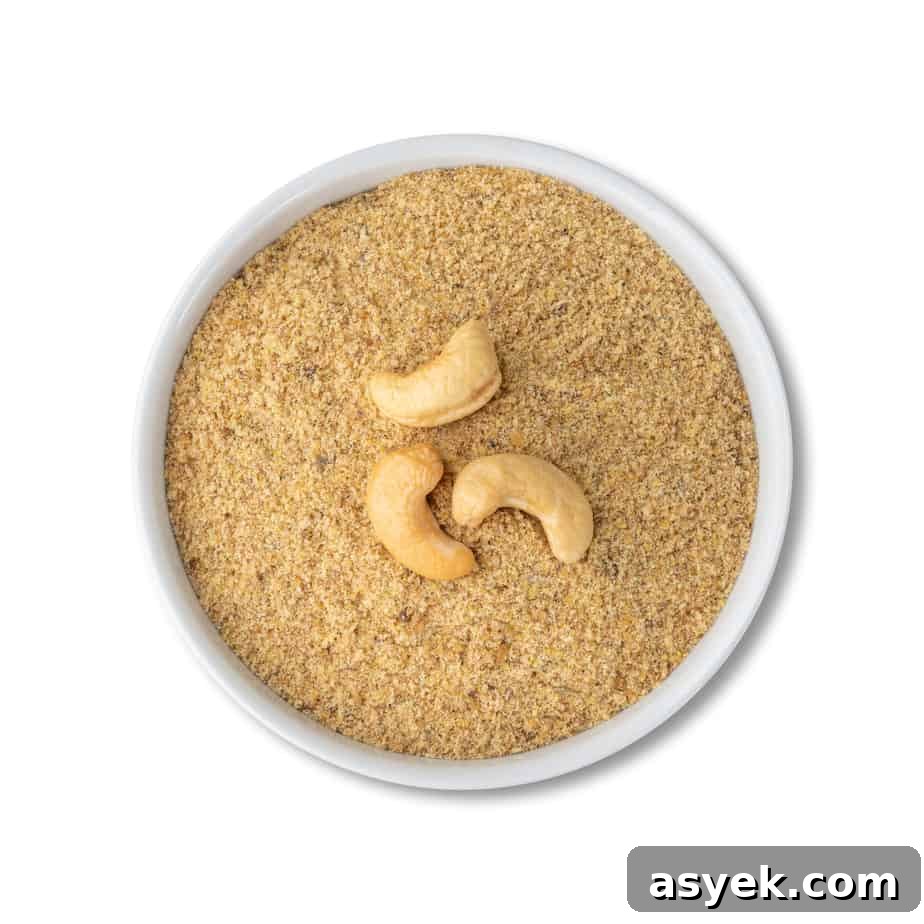
Cashew Flour
Cashew flour is creamy and rich, making it excellent for cakes and tender baked goods. Use 1:1 for moist, similar results to almond flour, but be aware of its distinct flavor.
Rice Flour
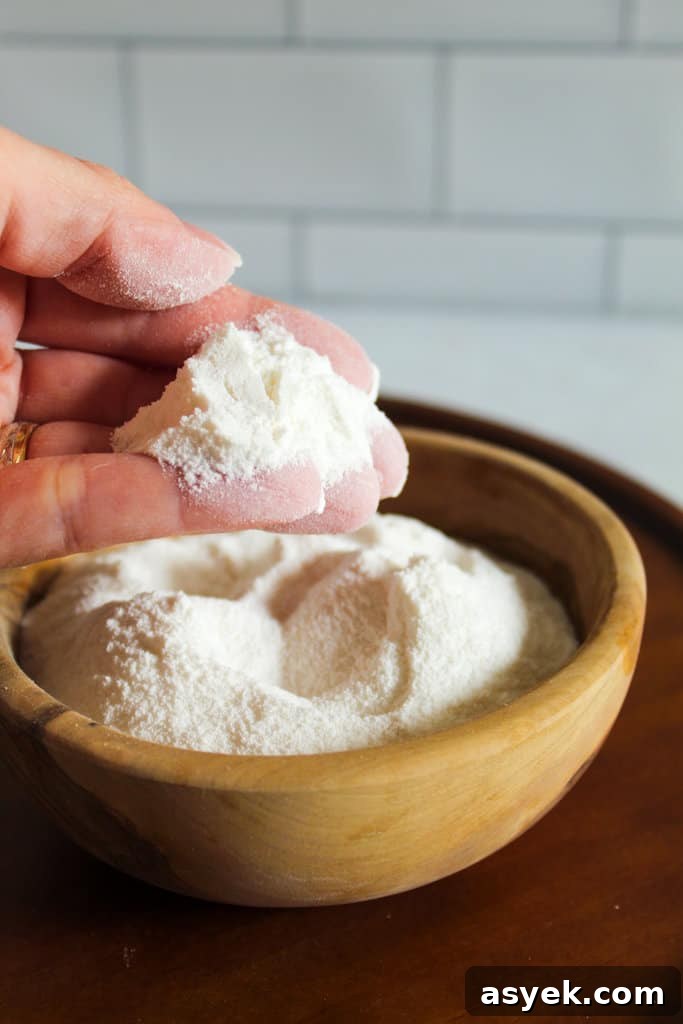
Rice flour is gluten-free and often used in blends. It gives light, crisp textures but can be slightly gritty or dry alone. Use near a 1:1 ratio but combine with other flours for better moisture retention.
Tapioca Flour
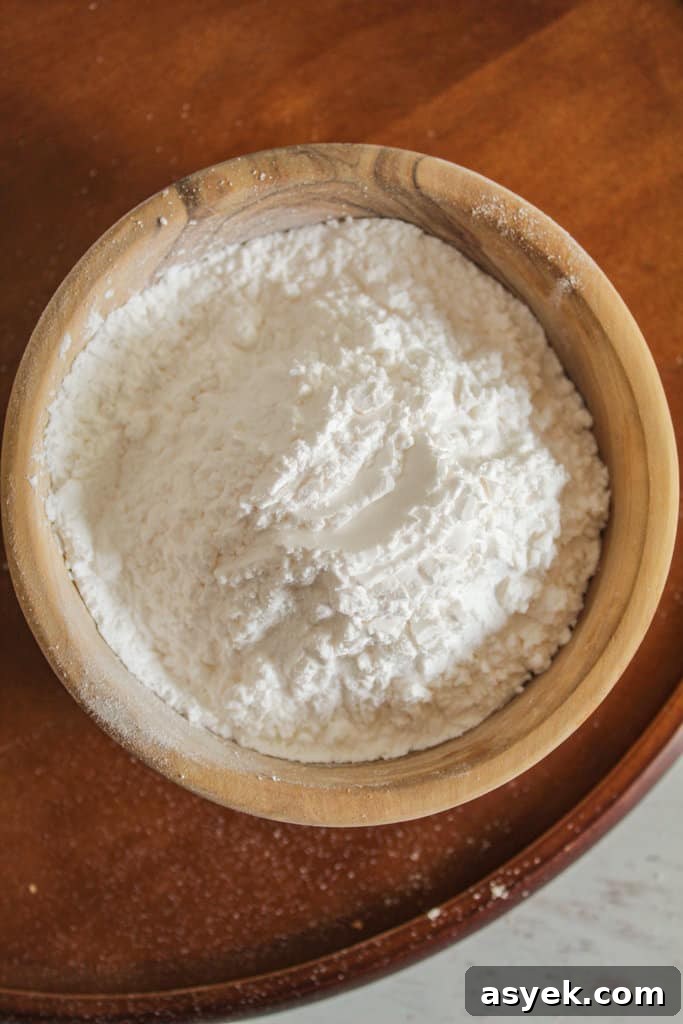
Tapioca flour is a starch that adds chew and elasticity when used in blends. Use up to 1:1 as part of a mix, but it’s not suitable alone for structure-heavy recipes.
Cassava Flour
Cassava flour behaves more like wheat flour and works well for bread, tortillas, and structured baking. Use 1:1 in most recipes but avoid overusing it in delicate cakes where it can feel heavy.
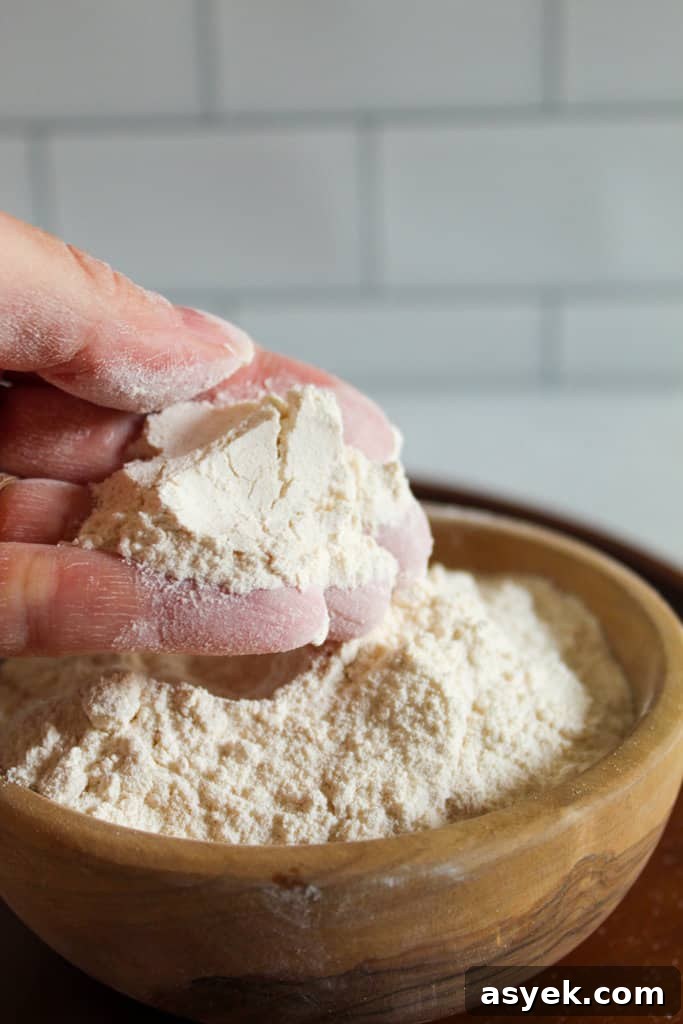
Chickpea Flour
Chickpea flour is high in protein and best for savory or dense bakes. Use about 1:1 but adjust liquids; its strong flavor limits use in sweet applications unless masked.
Hazelnut Flour
Hazelnut flour lends a pronounced nutty flavor and pairs well with chocolate desserts. Use 1:1 for moist, dense results, keeping in mind its distinct taste.
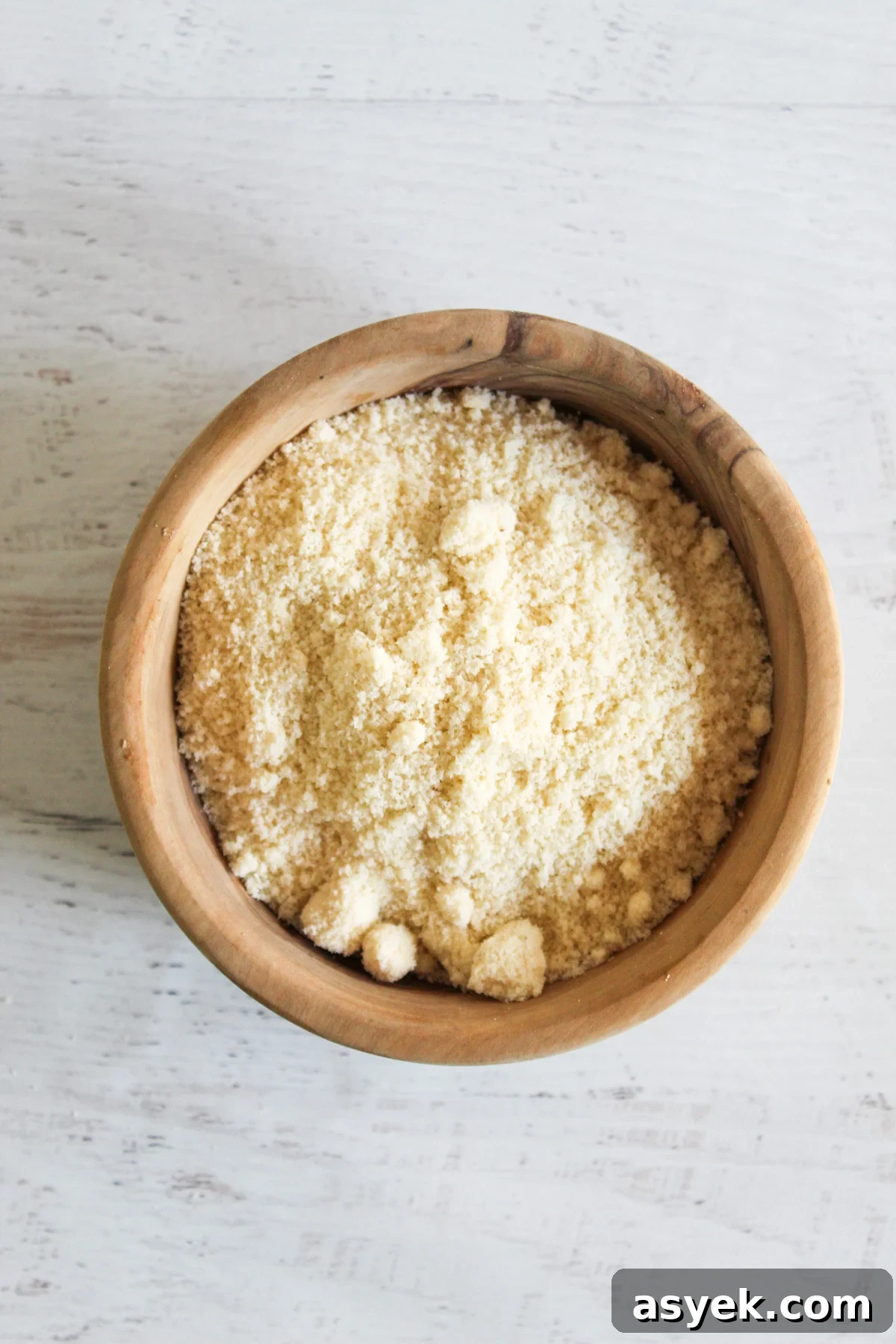
Flaxseed Meal
Flaxseed meal is a dense binder used in vegan baking. Use about ½ the amount by weight because it’s heavy; it works best as part of a blend, not as a sole replacement for light crumbs.
Arrowroot Flour
Arrowroot is a light starch used mainly to improve texture in blends and for thickening. Use up to 1:1 in mixes, but don’t rely on it alone for structure.
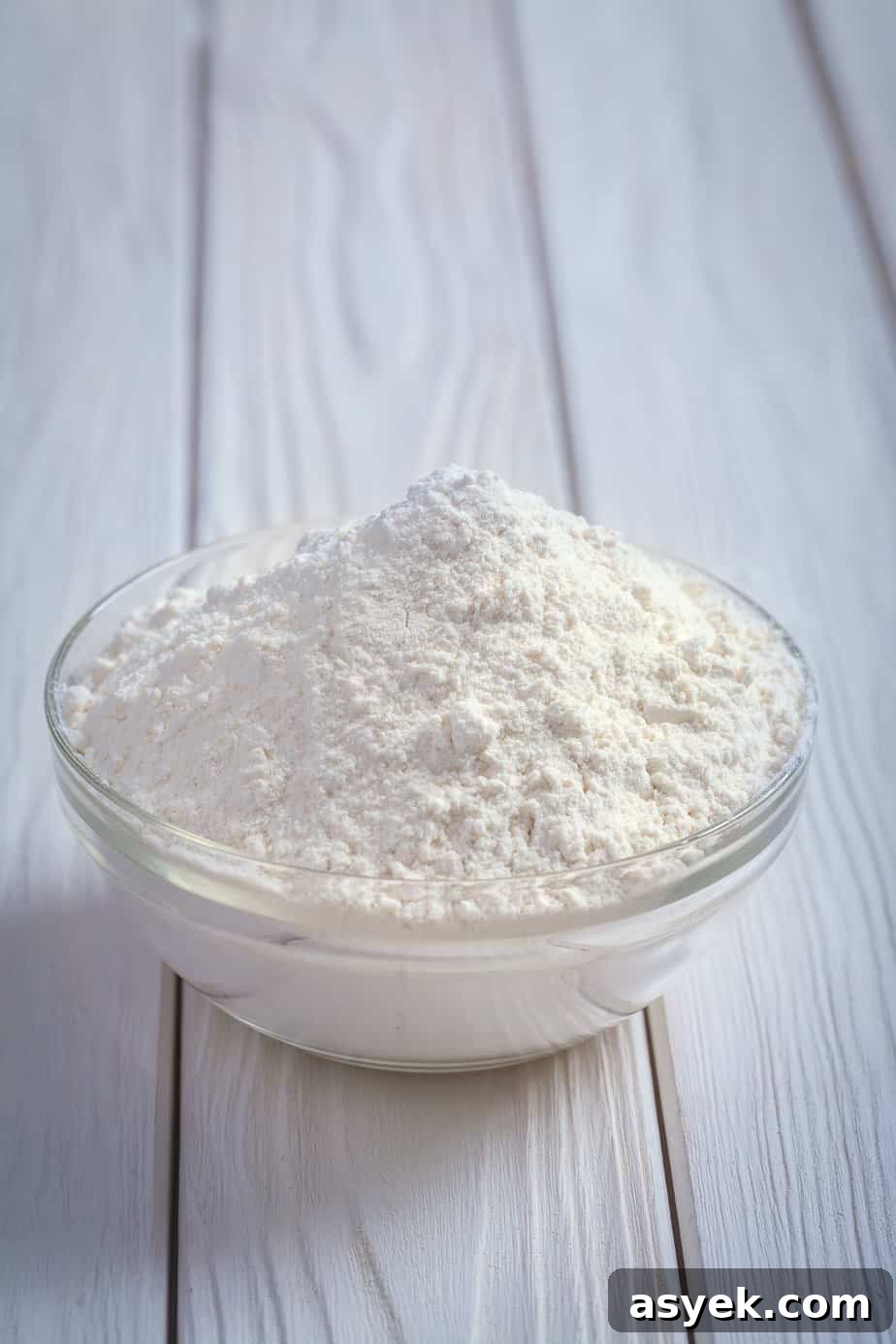
Almond Flour vs. Almond Meal
Almond flour and almond meal are often confused. Almond flour is finely ground and usually blanched (no skins), yielding a smooth, light texture. Almond meal is coarser and often includes skins, producing a denser, more rustic crumb. For delicate cakes and refined textures choose almond flour; for denser, rustic bakes almond meal is fine.
How Almond Flour Works in Baking
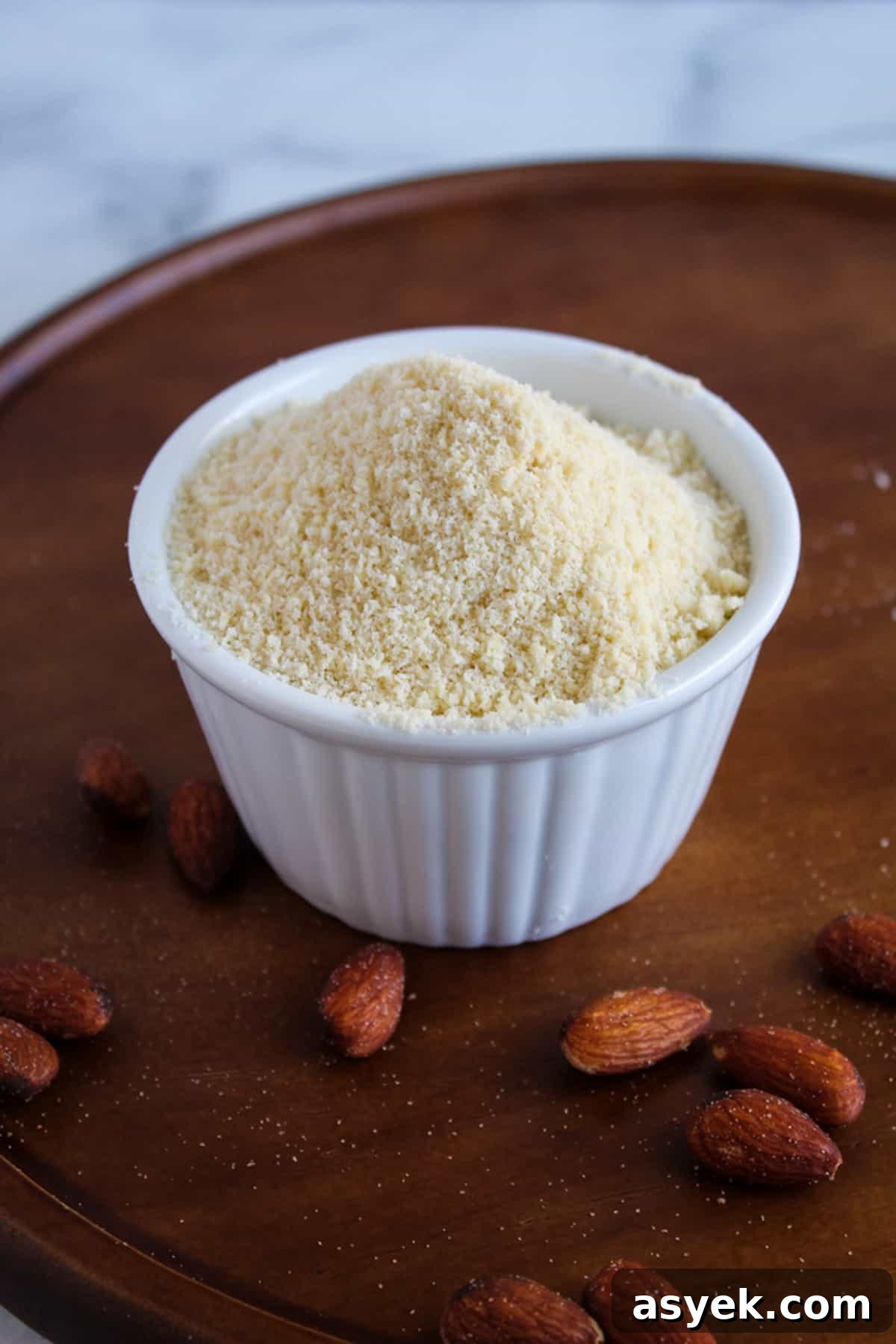
Almond flour’s high fat helps retain moisture and create tender, rich bakes, while the lack of gluten means recipes rely on eggs or other binders for structure. Expect a denser crumb and less rise compared with wheat flour.
Best Substitute By Recipe Type
Match the substitute to the recipe’s needs for texture, structure, and moisture rather than using one swap for everything.
Cookies
Cookies need a soft center and decent structure. Oat flour and cashew flour work well 1:1 and generally hold shape without excessive density.

Cakes
For cakes, balance moisture and framework: cashew flour adds richness and all-purpose flour adds lift. Combine flours when you need both tenderness and structure.
Bread
Bread needs elasticity and a strong framework. Cassava flour and all-purpose flour are better choices than almond flour replacements alone because they provide more binding and a bread-like texture.
Gluten-Free Baking
For gluten-free recipes, combine rice flour, sunflower seed flour, tapioca, or oat flour to achieve balance. These options lack gluten’s strength, so increase binders and eggs as needed.
Pro Tips for Successful Substitution
Substituting flour is only half the job; adjust the recipe to fit the new ingredient.
Adjust Liquids
Different flours absorb liquids at different rates. Add or reduce liquids gradually until batter looks right.
Combine Flours
Blends (for example, rice + tapioca, or oat + coconut) often produce better texture than a single substitute.
Add Binders
Use eggs, flax eggs, xanthan gum, or psyllium husk to replace gluten’s binding role when necessary.
Test Small Batches
Try a small test batch to dial in ratios and liquids before scaling up.
What You Lose When You Swap Almond Flour
Almond flour contributes moisture, fat, a subtle nutty flavor, and a dense, tender crumb. Swapping it changes texture, flavor depth, and binding balance, so be ready to add fat, flavor, or a binder as a quick fix when things feel off.
Frequently Asked Questions
Below are common questions bakers ask when choosing and using almond flour alternatives. If you have a specific situation, test a small batch and adjust one variable at a time.
Can I Substitute Almond Flour In Recipes Without Eggs?
Yes, but you’ll need stronger binders. Use flours with more natural structure (all-purpose or cassava) and add flax eggs, psyllium, or xanthan gum to prevent crumbling.
Why Does My Batter Look Different After Using A Substitute?
Different flours absorb fats and liquids differently. Thicker batter usually means the flour is more absorbent; thinner batter means less absorption. Adjust liquids gradually until the consistency matches the recipe’s expectations.
Can I Use the Same Substitute for Every Recipe?
No. A substitute that works for cookies may fail for bread or cake. Match the substitute to the recipe type and desired texture.
Do I Need to Change Baking Temperature When Using A Substitute?
Usually not. Keep the same temperature but monitor for browning or doneness; some flours brown faster or retain more moisture.
How Do I Improve the Texture When Using Substitutes?
Combine flours, adjust liquids, and add binders as needed. Small tweaks to fat, eggs, or flour ratios often produce big improvements.
Can Almond Flour Substitutes Affect Flavor Significantly?
Yes. Chickpea or hazelnut flours can change the taste markedly. Use neutral options like oat or rice flour if you want to preserve the original flavor.
What Is the Biggest Mistake When Using An Almond Flour Substitute?
Assuming all flours behave the same. Differences in absorption, fat, and structure matter — choose the right substitute and adjust the recipe accordingly.
Related Recipes To Try
Explore recipes and guides that highlight different flours and substitution techniques to refine your approach and gain confidence with swaps.
Now It’s Your Turn
Which substitute worked for you, and what recipe are you trying to fix? Share results, test small adjustments, and remember that changing one variable at a time yields the best learning and tastiest outcomes.