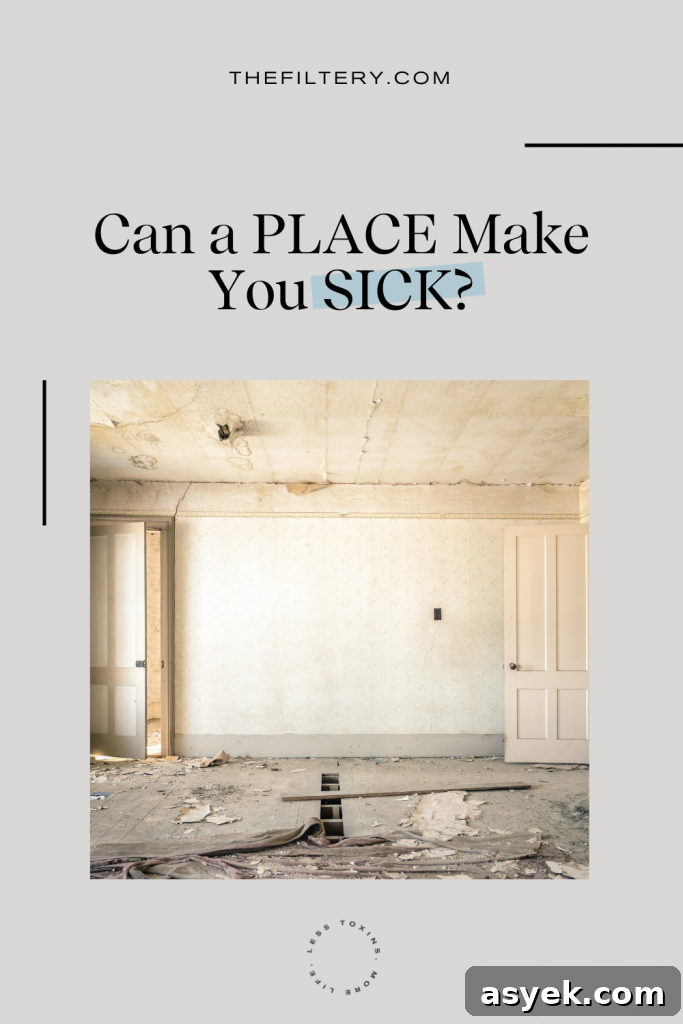
Can a place make you sick? The short answer is: yes.
Determining whether your home or workplace is causing illness can be challenging. Buildings can expose people to biological contaminants such as mold or to chemical agents like solvents and cleaning products. Even cultural or relational stressors—an abusive boss, chronic workplace tension, or noisy, poorly designed offices—can contribute to symptoms commonly linked to building environments.
This article explains the difference between Sick Building Syndrome (SBS) and Building-Related Illness (BRI), outlines common symptoms and causes, and offers practical steps for testing, treating, and preventing building-related health problems.
Table of Contents
- How Do You Know If Your House Or Work Building Is Making You Sick?
- What Is Sick Building Syndrome (SBS)?
- What Are Some Of The Symptoms Of Sick Building Syndrome?
- What Are the Main Causes of Sick Building Syndrome?
- What Does Building Related Illness (BRI) Mean?
- What Kind Of Illness Results From BRI?
- To Sum It Up: What Are the Differences Between SBS and BRI?
- What About “Old Building Syndrome?”
- Why is Sick Building Syndrome Controversial?
- How Can You Test For Sick Building Syndrome?
- What Does Indoor Air Quality (IAQ) Mean in Terms of Sick Building Syndrome?
- Some Common Pollutants That Affect IAQ:
- Overcoming Building-Related Illness And Sick Building Syndrome
- Getting Rid Of Pollutants That Cause Old Or Sick Building Syndrome
- Improve IAQ With Proper Ventilation And Filtration
- Reducing Exposure To Contaminants
- Treating Symptoms While Combating The Problem: Strategies For People Who Are Affected By VOC’s, Mycotoxins, and IAQ
- Is There A Way to Prevent Sick Building Syndrome and/or Building Related Illness?
- Common SBS and BRI Misdiagnoses
- Conclusion:
How Do You Know If Your House Or Work Building Is Making You Sick?
Many factors affect health—diet, infections, genetics, and psychological trauma are common contributors. Buildings are another important and sometimes overlooked factor. If unexplained symptoms appear or worsen while you are inside a particular structure and improve when you leave, consider whether the building itself could be a trigger.
Begin by tracking when symptoms occur and whether they relate to time spent in a specific room, floor, or building. Note if others in the same space report similar symptoms. This information will be useful when you speak with medical professionals or building experts.

What Is Sick Building Syndrome (SBS)?
Sick Building Syndrome refers to situations where building occupants experience acute health and comfort effects that appear linked to time spent in a building, but where no specific illness or cause can be identified. In practice, SBS usually affects multiple people in the same building and symptoms often improve shortly after leaving the space.
What Are Some Of The Symptoms Of Sick Building Syndrome?
- Headaches
- Coughing
- Sneezing
- Shortness of breath
- Eye, nose, or throat irritation
- Itchy skin
- Dizziness
- Nausea
- Difficulty concentrating (brain fog)
- Fatigue or lethargy
- Sensitivity to odors
- Other symptoms that improve outside the building
What Are the Main Causes of Sick Building Syndrome?
SBS can arise from many sources, often in combination. Common contributors include:
Air quality and ventilation:
- Poor ventilation
- Tobacco smoke
- Air fresheners and cleaning chemicals
- Mold or fungal contamination
- Pesticides
- Carbon monoxide
- Excess heat or very low humidity
Lighting and visual strain:
- Poor or flickering lighting
- Glare and excessive screen time causing eye strain
Building materials and furnishings:
- Formaldehyde from pressed wood products
- Asbestos in older construction
- Volatile organic compounds (VOCs) from paints, adhesives, and finishes
Mental and social factors:
- High job stress or heavy workload
- Conflict or poor relationships at work
- Unfavorable office layout or constant noise
- Low morale and poor organizational culture

What Does Building Related Illness (BRI) Mean?
Building-Related Illness describes a diagnosable health condition directly caused by a building or specific contaminants within it, where the cause is known. Unlike SBS, symptoms and diagnoses associated with BRI often persist even after the person leaves the environment and typically require medical treatment.
One documented example involved people becoming ill after exposure to formaldehyde in temporary housing following a major disaster. That exposure led to clear, measurable health effects linked to a known source.
What Kind Of Illness Results From BRI?
- Asthma triggered or worsened by indoor exposures
- Rhinosinusitis (inflammation of nasal passages and sinuses)
- Legionnaires’ disease (Legionella pneumonia)
- Hypersensitivity pneumonitis (immune-related lung inflammation)
- Chronic Inflammatory Response Syndrome related to mold or other biotoxins
- Inhalational fever from bacteria, dusts, or aerosolized toxins
To Sum It Up: What Are the Differences Between SBS and BRI?
Both SBS and BRI describe illnesses connected to buildings, but they differ in two key ways:
- With SBS, symptoms are a syndrome without a single identified cause. With BRI, a specific cause and clinical diagnosis are identified.
- SBS symptoms usually improve quickly after leaving the building. BRI conditions often persist and may require medical treatment.
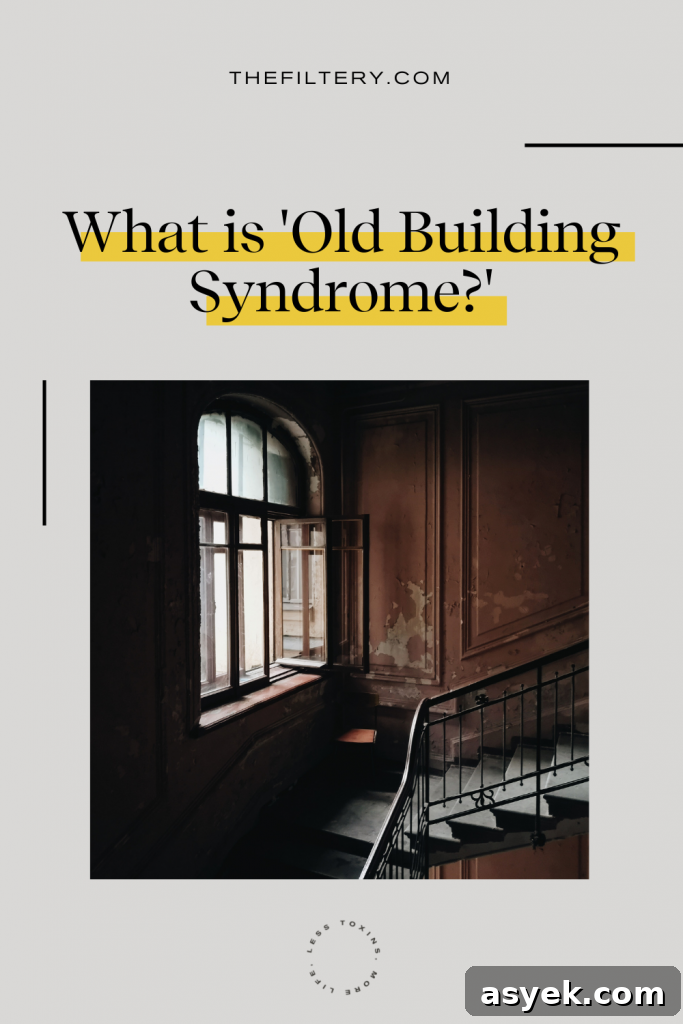
What About “Old Building Syndrome?”
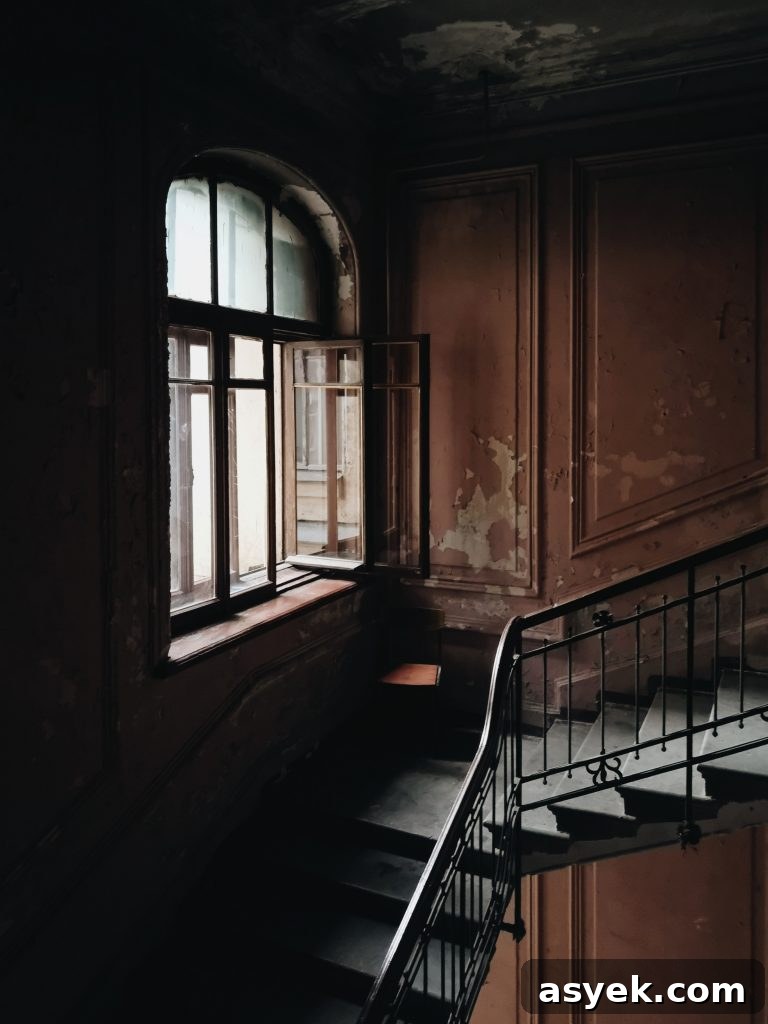
“Old Building Syndrome” is an informal term suggesting older buildings carry higher risk for SBS or BRI. Older structures may contain hazardous legacy materials like lead or asbestos, or they may show wear, water damage, and mold growth over time. According to workplace safety data, a substantial portion of buildings show some history of water damage—which increases mold risk.
Still, age alone doesn’t guarantee a problem: new buildings can off-gas VOCs and develop moisture issues quickly if not built or maintained properly. The key is maintenance, moisture control, and careful material selection.
Why is Sick Building Syndrome Controversial?
SBS is controversial because it denotes a cluster of symptoms without a definitive single cause. Symptoms overlap with many other conditions and may result from multiple interacting factors. Identifying the specific cause(s) can require careful investigation, time, and sometimes trial-and-error.
How Can You Test For Sick Building Syndrome?
Investigating SBS or BRI often starts with an inspection by an experienced Industrial Hygienist (IH) who can interview occupants and assess building systems. Testing may include air and surface sampling for mold, VOCs, carbon monoxide, and particulate matter, as well as assessments of ventilation and humidity.
For suspected mold-related illness, environmental tests such as ERMI or HERTSMI-2 and clinical lab tests for inflammatory markers or immune responses may help document exposure and health effects. Diagnosing and managing these conditions typically involves coordinated work between medical providers and building professionals.

What Does Indoor Air Quality (IAQ) Mean in Terms of Sick Building Syndrome?
Indoor Air Quality (IAQ) is central to both SBS and BRI. Poor IAQ—whether from biological contaminants, indoor chemical sources, or pollutants entering from outdoors—raises the likelihood of building-related health effects the longer occupants remain exposed.
Some Common Pollutants That Affect IAQ:
- Carbon monoxide
- Nitrogen dioxide
- Secondhand smoke
- Lead particles
- Volatile organic compounds (VOCs) from paints, furniture, and cleaning products
- Mold and mildew
These generally fall into three categories: biological contaminants (mold, pollen, viruses), chemical contaminants generated indoors (VOCs, combustion products), and chemicals that infiltrate from outdoors.
Overcoming Building-Related Illness And Sick Building Syndrome
If you suspect a building is causing harm, act on both the environment and your health. The following steps are good practice both for prevention and remediation.
Getting Rid Of Pollutants That Cause Old Or Sick Building Syndrome
- Dry any flooding or leaks within 24–48 hours to prevent mold growth. Repair leaks, remove wet materials, and ventilate the area.
- If mold or mycotoxins are confirmed and occupants are ill, hire qualified remediation professionals who follow medical-grade protocols.
- Remove water-damaged ceiling tiles, carpeting, and porous materials that cannot be thoroughly cleaned.
- Address lighting and screen-related eye strain by improving lighting and reducing glare.
- Improve workplace layout and culture to reduce stressors that can compound physical symptoms.
Improve IAQ With Proper Ventilation And Filtration
- Maintain HVAC systems and ensure they meet current standards.
- Use high-quality HEPA filtration and change filters regularly.
- Consider portable HEPA air cleaners in areas where you spend a lot of time.
- Install local exhaust ventilation in kitchens, bathrooms, and copy or mechanical rooms.
- Avoid window units prone to mold growth when possible and regulate indoor humidity (roughly 40–60% is a common recommendation).
- Enforce smoking restrictions and limit indoor sources of pollutants.
Reducing Exposure To Contaminants
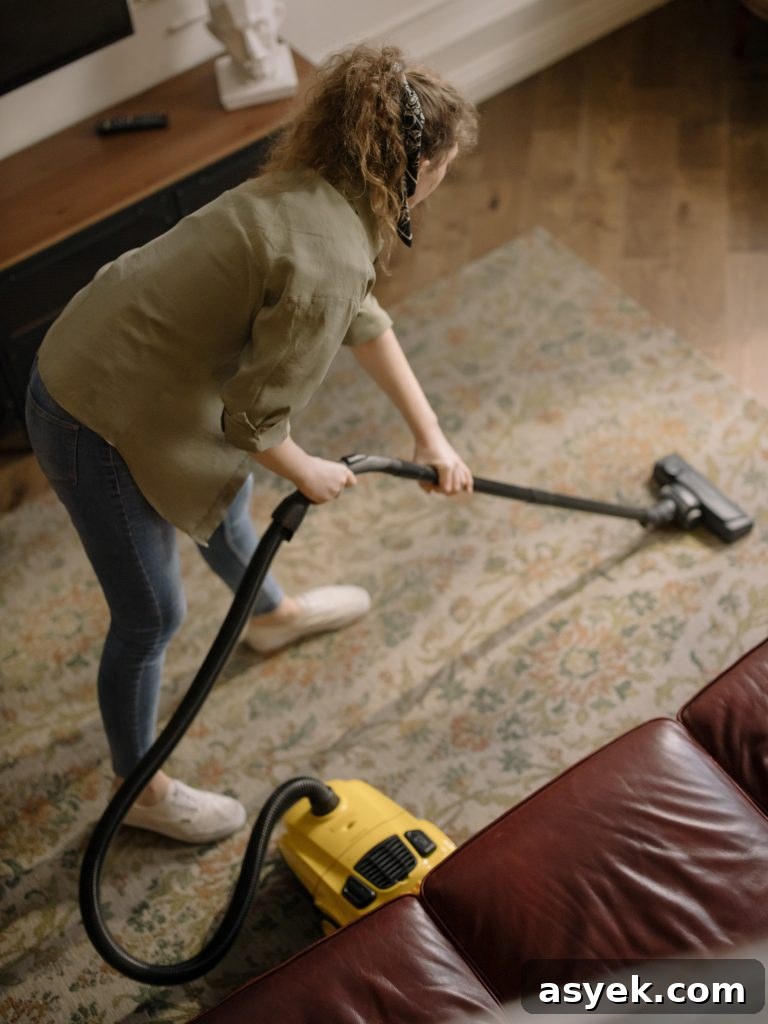
- Vacuum and dust regularly with a vacuum that includes a HEPA filter to reduce dust and trapped spores.
- Store and use chemicals, paints, and solvents in well-ventilated areas and during low-occupancy periods.
- Replace or avoid products with known toxic chemicals in cleaning supplies, personal care items, and furniture.
- Consider fragrance-free policies in shared environments to reduce scent-related reactions.
- Allow new furnishings and materials to off-gas outdoors or in a well-ventilated area before bringing them into occupied spaces.

Treating Symptoms While Combating The Problem: Strategies For People Who Are Affected By VOC’s, Mycotoxins, and IAQ
People respond differently to environmental exposures. While addressing the source, consider these supportive measures:
- Increase fresh air by opening windows when outdoor air quality allows and take regular outdoor breaks.
- Use portable air purifiers and switch to non-toxic personal care and cleaning products.
- Limit screen time, use glare reduction, and rest your eyes to reduce visual fatigue.
- Support sleep and general health to help the body recover from exposures.
- If considering detox or medical interventions, work closely with a knowledgeable clinician—some binders and protocols can interact with nutrients or medications.
- Seek mental health support during lengthy investigations or if symptoms cause anxiety or depression.
- In severe or persistent cases, relocation or a change of workplace may be necessary for recovery.
Is There A Way to Prevent Sick Building Syndrome and/or Building Related Illness?
Complete prevention is impossible, but risk can be reduced. Rapidly addressing moisture, choosing low-emitting materials, maintaining ventilation systems, and minimizing indoor chemical sources all lower the likelihood and severity of SBS and BRI.
Common SBS and BRI Misdiagnoses
Because symptoms overlap with many other conditions, building-related illness is sometimes misdiagnosed. Conditions that can mask or be confused with SBS/BRI include:
- Fibromyalgia
- Chronic fatigue syndrome
- Multiple sclerosis
- Depression or stress-related disorders
- Allergic conditions
- Post-traumatic stress disorder
- Somatization disorders
- Irritable bowel syndrome
- Attention deficit disorder
Conclusion:
If you or others develop asthma-like or flu-like symptoms indoors that ease outdoors, suspect Sick Building Syndrome; prolonged exposure can lead to more serious Building-Related Illnesses. Because these problems are often complex and multifactorial, diagnosing and resolving them typically requires collaboration between clinicians and qualified building professionals. Removing contaminants, improving ventilation, and reducing sources of indoor pollution can dramatically improve indoor air quality and foster a healthier environment for occupants.
PIN IT: