What Color is a Ripe Banana?
Bananas are rich in potassium and make a convenient, nutritious snack or breakfast addition. People often ask, what color indicates a ripe banana? While the answer seems straightforward, preferences and uses vary, so it helps to understand the different ripening stages and what each one offers.
What Color is a Ripe Banana?
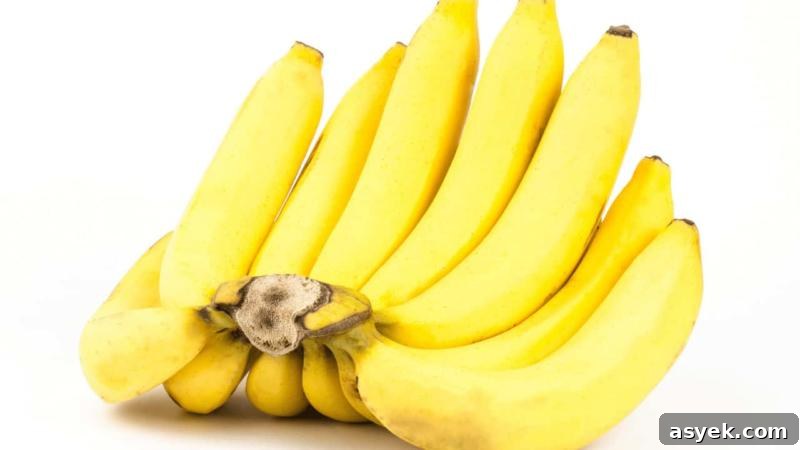
A perfectly ripe banana is bright yellow with a slightly firm texture. Green bananas are unripe and firmer, while bananas that develop brown spots are softer and sweeter. Brown or black bananas are overripened and best used for baking unless they show signs of mold.
Green bananas are not yet ripe
Green bananas are still developing and contain more resistant starches, which makes them firmer and less sweet. Because of their lower glycemic index, they can be a better choice for people managing blood sugar. They also stay filling longer, helping reduce snacking between meals. Buy green bananas if you want them to ripen at home over several days.
Ripe bananas have a bright yellow color.
A bright yellow peel signals peak ripeness for most people: the flesh is tender but still holds shape, and the flavor is well balanced between sweetness and mild starchiness. At this stage bananas are easy to digest and supply vitamin C, fiber, potassium, and various antioxidants. They are great for eating fresh, slicing over cereal, or blending into smoothies.
Yellow bananas with brown spots are the tastiest
When small brown spots appear on a yellow peel, the banana has passed peak ripeness but often tastes the sweetest and has a soft, pleasant texture. Antioxidant levels decline slowly as starch converts to sugar, so these spotted bananas are still nutritious and are especially popular for eating fresh or adding to recipes that benefit from extra sweetness. People monitoring blood sugar should be aware that sugar content increases as bananas ripen.
Brown bananas are overripened
Bananas that turn mostly brown have become very soft and sweet. While they may not appeal to everyone fresh, they are ideal for baking—banana bread, muffins, and pancakes all benefit from overripened fruit. Avoid using bananas that are moldy or have an off smell. If buying at the store, only purchase brown bananas if you plan to use them right away or are getting them at a discount for immediate baking.
Why ripening bananas change color
Unripe bananas get their green color from chlorophyll and contain mostly starch. As ripening proceeds, chlorophyll breaks down and the fruit produces ethylene, a natural plant hormone that speeds ripening. Ethylene triggers the conversion of starches into sugars, softens the flesh, and causes the peel to change from green to yellow and then to spotted brown as the banana ages.
How to make your bananas ripen
To speed ripening, place bananas in a warm spot—on top of the refrigerator or near a stove—where rising heat helps the process. Storing bananas in a paper bag, optionally with an apple or pear, concentrates ethylene and ripens fruit faster. For slower ripening, keep bananas on the countertop away from direct heat. Baking can quickly soften bananas for recipes, but it typically darkens the peel and produces very soft fruit best suited for baking rather than fresh eating.
Frequently Asked Questions About What Color is a Ripe Banana
Which bananas are the healthiest?
Each ripeness stage offers different benefits. Bright yellow bananas provide the most vitamin C, fiber, potassium, and antioxidants, and are easy to digest. Green bananas contain resistant starch and pectin that may help with blood sugar control and gut health. Choose the stage that best fits your dietary needs and how you plan to use the fruit.
What are black bananas called?
When a banana peel becomes black it is typically overripened or spoiled. Some varieties, like plantains when fully mature, develop very dark peels and are commonly cooked rather than eaten raw. Always check for mold or a bad odor; if present, discard the fruit.
Conclusion About What Color is a Ripe Banana
Ripe bananas are generally bright yellow, but the best stage to eat one depends on your taste and purpose. Green bananas are firmer and may help with blood sugar control, yellow bananas are ideal for fresh eating and nutrition, spotted bananas are sweeter and tender, and brown bananas excel in baking. Choose based on flavor, texture, and how you plan to use the fruit.