
If your baby is around 4 to 6 months old, you’re likely thinking about first foods and have questions: when to start, what to serve first, whether to offer single-ingredient foods, and how to introduce allergens like peanuts safely. It can feel overwhelming, but this guide will help you navigate introducing solids with practical, research-aligned advice.
As a pediatric dietitian and parent, I’ve put together straightforward guidance for preparing and serving baby’s first foods. Whether you choose purees, baby-led weaning, or a mix of both, this guide covers timing, safety, and a wide selection of nutritious first-food ideas.
Skip right to the first foods info you’re looking for:
- When To Serve Baby Their First Foods
- Safety For Baby’s First Foods
- Purees vs. Baby-Led Weaning
- Best Foods To Introduce Between 4 & 6 Months
- The Ultimate Baby’s First Foods List
- Baby’s First Foods Chart
- First Foods For Babies With Allergies
When To Serve Baby Their First Foods
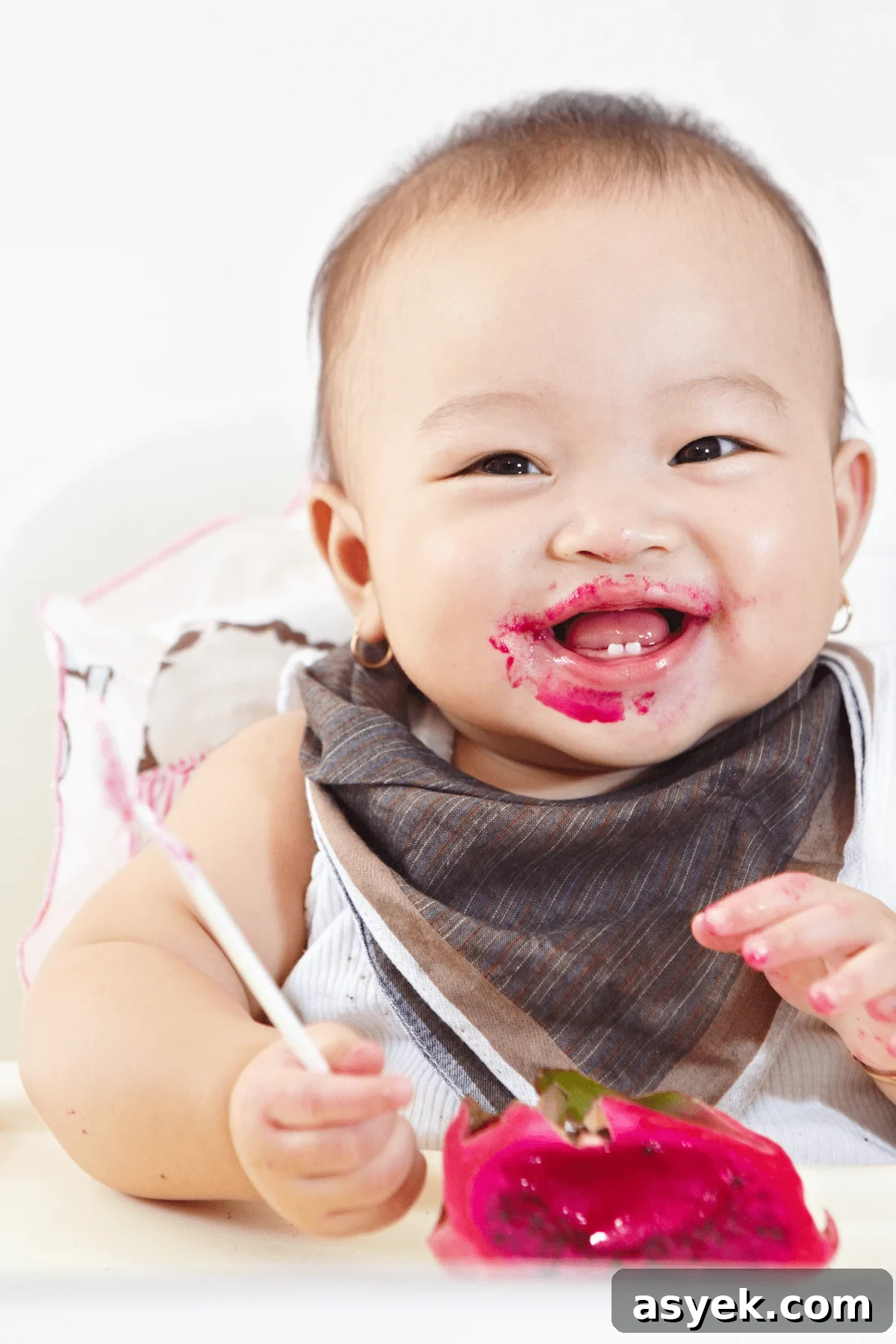
I generally recommend starting solids closer to six months, and only when babies show clear signs of readiness. Avoid adding cereal or other solids to bottles. Waiting until your baby is physically ready improves safety and makes feeding more successful.
Signs of Eating Readiness
Your baby may be ready to start solids when they:
- Can sit upright and unsupported
- Have good head and neck control
- Bring objects to their mouth intentionally
- Show interest in food (reaching for or watching others eat)
Can I Give My 4-Month-Old Baby Food?
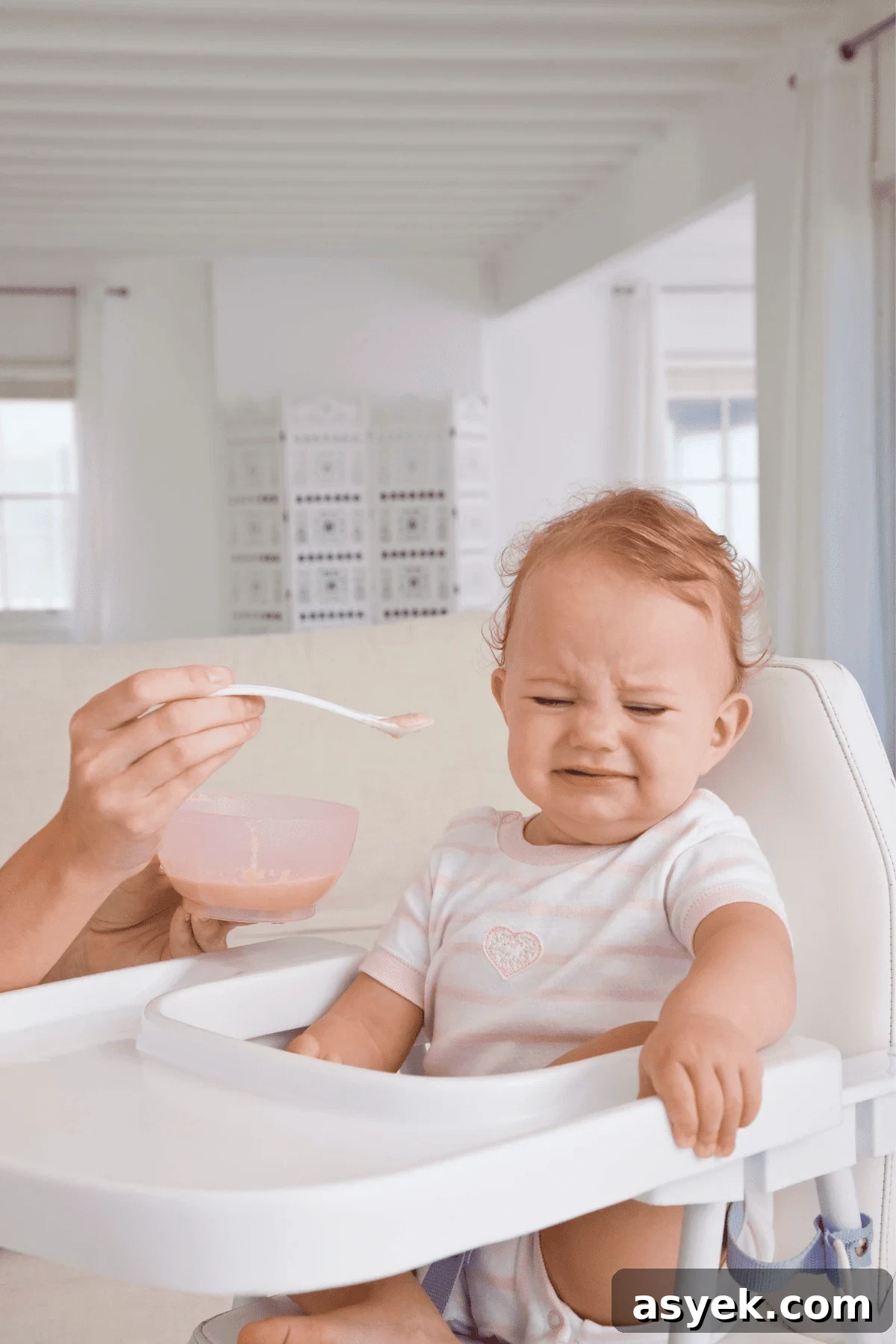
Some pediatricians may approve starting solids around four months, but there are more benefits to waiting until around six months. Before six months, breastmilk or formula meets nutritional needs. If your baby is four or five months and you want them involved at mealtimes, try sitting them at the table to watch, offering a safe silicone spoon to hold, or giving teething toys to help desensitize the mouth.
FAQ: Do Formula- and Breast-Fed Babies Have Different Nutritional Needs?
Breast milk and infant formula both provide adequate nutrition for the first six months. Exclusively breastfed infants typically need a Vitamin D supplement because breast milk is low in Vitamin D; many formulas are fortified with Vitamin D. Iron is also important: babies build iron stores during pregnancy that start to decline around six months, so iron-rich foods are valuable as you introduce solids.
Safety For Baby’s First Foods
Safety is central when introducing solids. Whether you choose purees or finger foods, follow safe preparation and feeding practices to reduce choking risk and support positive eating experiences.
Choking Hazards for 4- to 6-Month-Old Babies
Avoid foods that are hard, crunchy, sticky, or shaped dangerously. Common choking hazards include chips, popcorn, pretzels, raw apple, globs of nut butter, whole hot dog pieces, whole grapes, large seeds, and whole nuts. Many of these can be prepared in safer forms (mashed, thinly spread, or cooked until very soft), but they remain risky in their natural state for young children.
Minimize risk by seating your baby upright in a secure high chair with good trunk and foot support. Stability helps babies chew and swallow safely.
AAP & CDC Recommendations
Major health organizations recommend introducing solids around six months, but not before four months. There is one exception: some infants at higher risk for food allergy may be advised to try certain allergenic foods earlier under medical guidance. Talk with your pediatrician if you have concerns related to allergy risk.
Purees vs. Baby-Led Weaning: What’s Right For You?
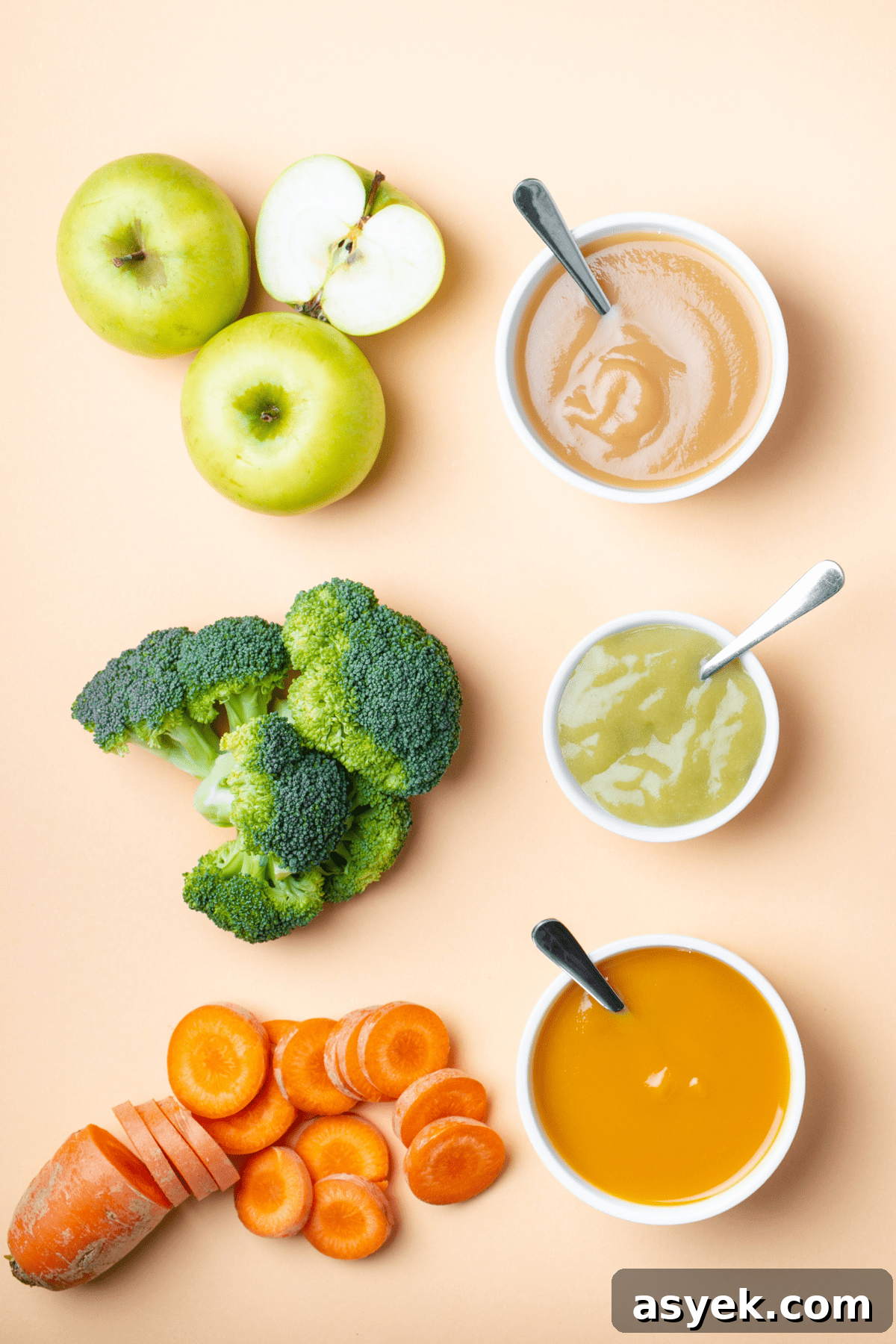
There’s no single correct approach. You can offer purees, baby-led weaning (BLW), or a hybrid. If you use purees, encourage self-feeding by offering preloaded spoons so babies can practice bringing food to their mouths. If you choose BLW, offer appropriately sized shapes and soft textures they can grasp and explore. The most important things are variety, safety, and letting the baby control how much they eat.
Baby Signs Of Hunger
- Reaching for food
- Moving toward the spoon
- Opening their mouth
- Pointing or showing excitement at food
Baby Signs Of Fullness
- Turning away from food
- Batting the spoon away
- Clamping mouth shut
- Playing with or throwing food
- Slower pace of eating or loss of interest
The Best Foods To Introduce Baby To Between 4 & 6 Months Old
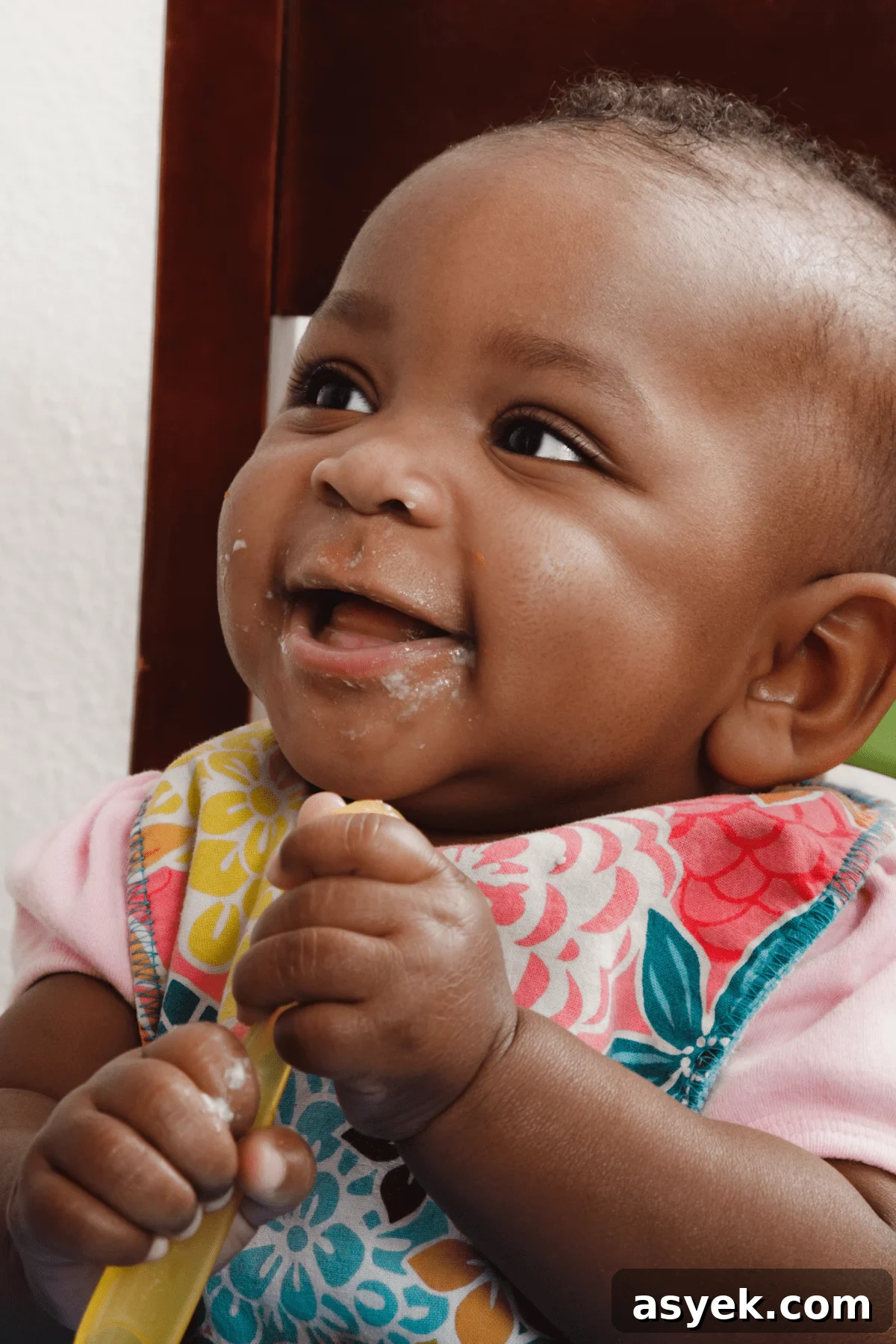
There isn’t one mandatory “first food.” Research supports introducing a wide variety of flavors and textures early to help support nutrition and reduce picky eating. Prioritize healthy fats (important for brain development) and iron-rich foods, as iron stores decline around six months.
Avocado is an excellent first choice—naturally soft and rich in healthy fats and micronutrients. Other excellent introductions include mashed or steamed sweet potato, banana, yogurt, and soft cooked vegetables.
It’s Okay If Baby’s First Foods Have Multiple Ingredients
You don’t have to offer only single-ingredient purees. Mixing foods helps babies learn different tastes and textures and can increase nutritional value (for example, yogurt combined with mashed fruit or a thin swipe of nut butter). If you suspect an allergic reaction to a food, stop serving it and consult your pediatrician.
PSA: Skip The Baby Cereal
Traditional suggestions to begin with rice-based infant cereal are outdated. Rice cereal is low in nutrients compared to whole foods and can contribute to unnecessary rice exposure. Offer varied, well-prepared foods instead to provide more nutrients and flavor exposure.
The Ultimate List of Baby Foods
Below are grouped suggestions for easy, nutritious first foods that work for purees, BLW, or a hybrid approach.
Best Finger Foods & Baby-Led Weaning First Foods
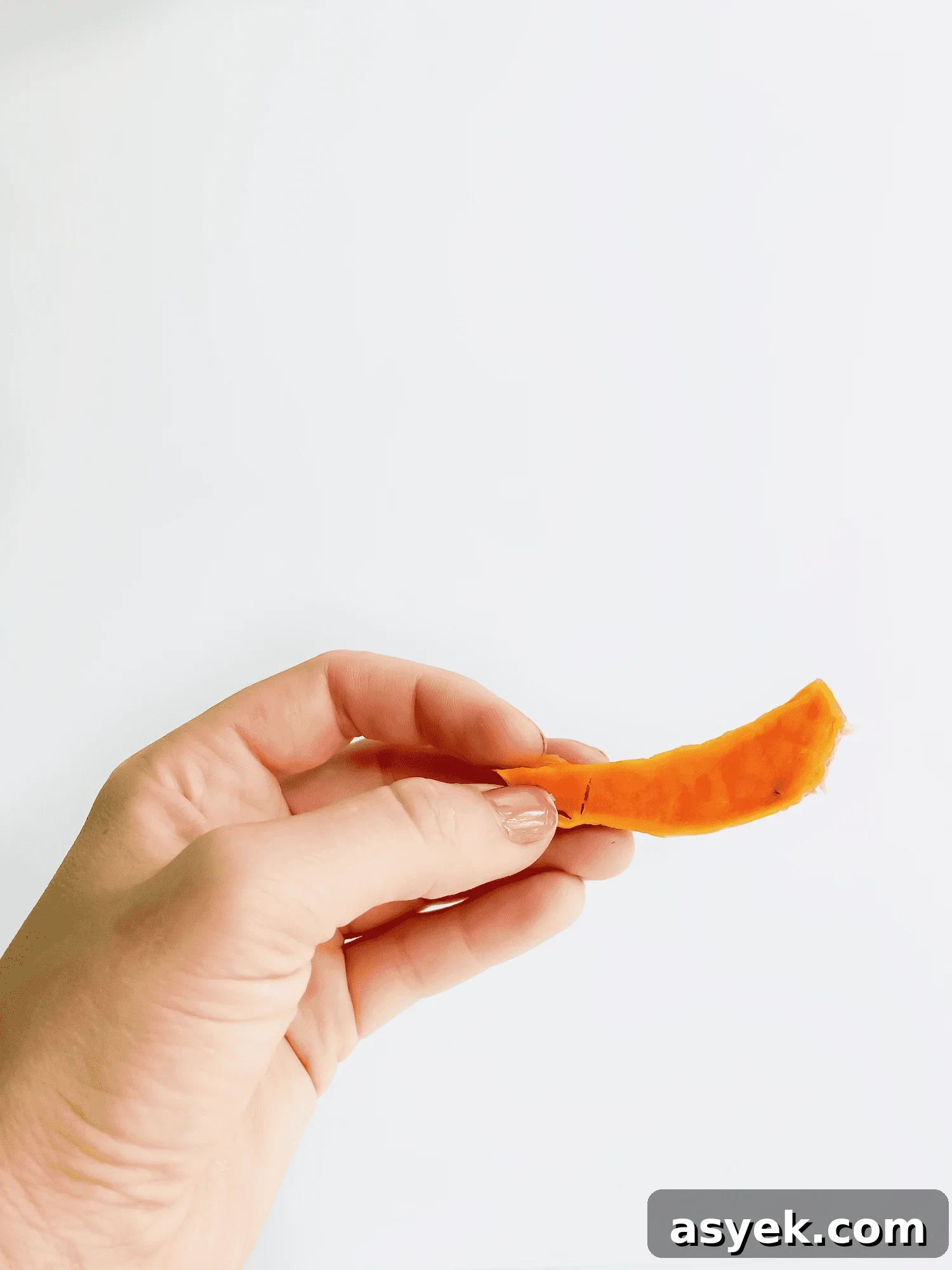
Serve soft foods in long wedge shapes that babies can grip with a palmar grasp: avocado wedges, steamed or roasted sweet potato strips, banana halves or thirds, and soft-cooked carrot sticks. Keep sizes approximately the width of two adult fingers for early BLW to support safe handling and gag reflex development.
The Best Pureed First Foods
Many foods that work for BLW also make great purees: avocado, banana, sweet potato, pear, mango, and cooked squash. Thin purees with breast milk or formula to a consistency your baby handles well. Introduce allergenic foods (small amounts) once feeding is established—early, repeated exposure can reduce the risk of some allergies.
The Best Easy-To-Make First Foods
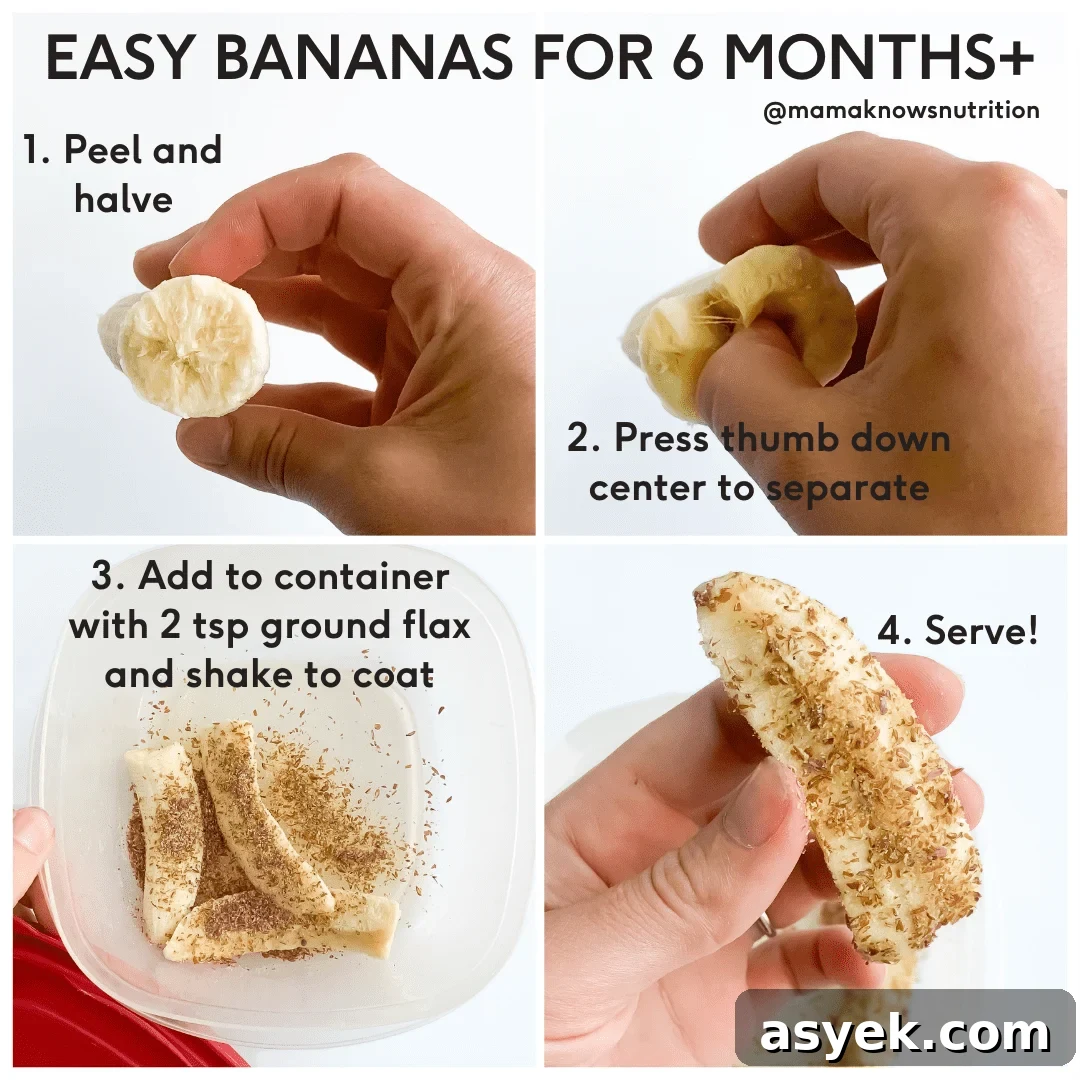
Low-prep options include banana, yogurt, applesauce, avocado, and steamed vegetables that are soft enough to mash between your fingers. You can also mix nut butter into yogurt (spread thinly if using on toast) or mash berries into thicker textures.
Low-Prep First Food Options:
- Banana
- Yogurt (mixed with mashed fruit or a small amount of nut butter)
- Applesauce
- Avocado
- Steamed vegetables (soft enough to mash)
The Most Nutritious First Foods
Nutrient-dense choices include oily fish (like canned salmon or sardines) for omega-3s and DHA, and plant-based options like sweet potato and avocado for vitamins and minerals. For vegetarian options, consider tofu, cooked beans, eggs, oats, and a variety of fruits and vegetables prepared to a safe texture.
The Best Vegetarian First Foods
Vegetarian-friendly first foods include mashed berries, bananas, avocados, potatoes, cooked broccoli, squash, tofu strips, eggs, beans, nut butters (thinly spread or mixed), and oatmeal. Always ensure textures and shapes are safe and soft enough for babies to mash.
Foods That Should Be Avoided
Some foods should be limited or avoided early on:
Added Sugar
Avoid added sugar for children under two. Added sugar provides little nutritional value and is best limited during early development.
Honey
Do not give honey to infants under 12 months because of the risk of infant botulism.
Sodium
Limit sodium in baby foods. Very young infants need only small amounts of sodium, much of which comes from breast milk or formula.
Fruit Juice
Avoid fruit juice before one year; it offers few nutritional benefits and can displace better options like whole fruit and milk feeds.
The Ultimate Baby’s First Foods List
- Avocado
- Sweet Potato (mashed or steamed)
- Broccoli (steamed or roasted, soft)
- Pears (steamed or roasted)
- Butternut Squash
- Mango
- Banana
- Yogurt*
- Nut Butter* (thinly spread or mixed)
- Oatmeal
- Apple Sauce
- Mashed Raspberries, Blueberries, Blackberries
- Canned Sardines*
- Canned Salmon*
- Potatoes (mashed or steamed)
- Tofu Strips*
- Eggs* (cooked and cut into strips)
- Beans (mashed)
*Common allergens — introduce according to your pediatrician’s guidance and watch closely the first few times.
Baby’s First Foods Chart: What, When & How To Serve Common First Foods to 4- to 6-Month-Old Babies
| BABY’S FIRST FOOD | WHEN TO SERVE | HOW TO SERVE |
| Avocado | 6 months or later | Mashed, mixed in, or wedge shapes for BLW |
| Oatmeal | 6 months or later | Prepare with breast milk, formula, or water; mix in mashed fruit or yogurt |
| Banana | 6 months or later | Mashed or cut into long pieces for BLW |
| Sweet Potato | 6 months or later | Roasted or steamed until very soft; mash or serve in strips |
| Mango | 6 months or later | Cut into wedges or mash |
| Eggs (allergen) | 6 months or earlier if advised | Cook omelet-style and cut into strips |
| Yogurt (allergen) | 6 months or earlier if advised | Serve plain or mixed with fruit |
| Nut Butter (allergen) | 6 months or earlier if advised | Mix into oatmeal or purees; spread thinly |
| Berries | 6 months or later | Mash into a thicker consistency before serving |
| Tofu (allergen) | 6 months or earlier if advised | Cut into strips and serve warm or cool |
| Broccoli | 6 months or later | Steam or roast until soft enough to mash |
| Apple Sauce | 6 months or later | Serve as-is or mixed into other foods |
| Canned Sardines (allergen) | 6 months or later | Serve mashed or mixed |
| Honey | 1 year or later | Offer only after 12 months |
| Fruit Juice | 1 year or later | Limit portion size if offered |
| Added Sugar | 2 years or later | Avoid added sugars before age two |
First Foods For Babies With Allergies
Food allergies have become more common, and guidance has changed: introducing allergenic foods around the time solids begin (usually around six months) may reduce the risk of some allergies, especially peanuts and eggs. If your baby has a confirmed allergy, do not reintroduce that food. If your baby has risk factors like eczema or a strong family history, consult your pediatrician or an allergist before introducing common allergens.
Important Information on Allergic Reactions & Introducing Allergens
Mild allergic reactions may appear as hives around the mouth. More severe signs include vomiting, lip or facial swelling, widespread hives, difficulty breathing, color changes, or sudden limpness. Seek emergency help immediately for severe symptoms.
Make Starting Solids Simple
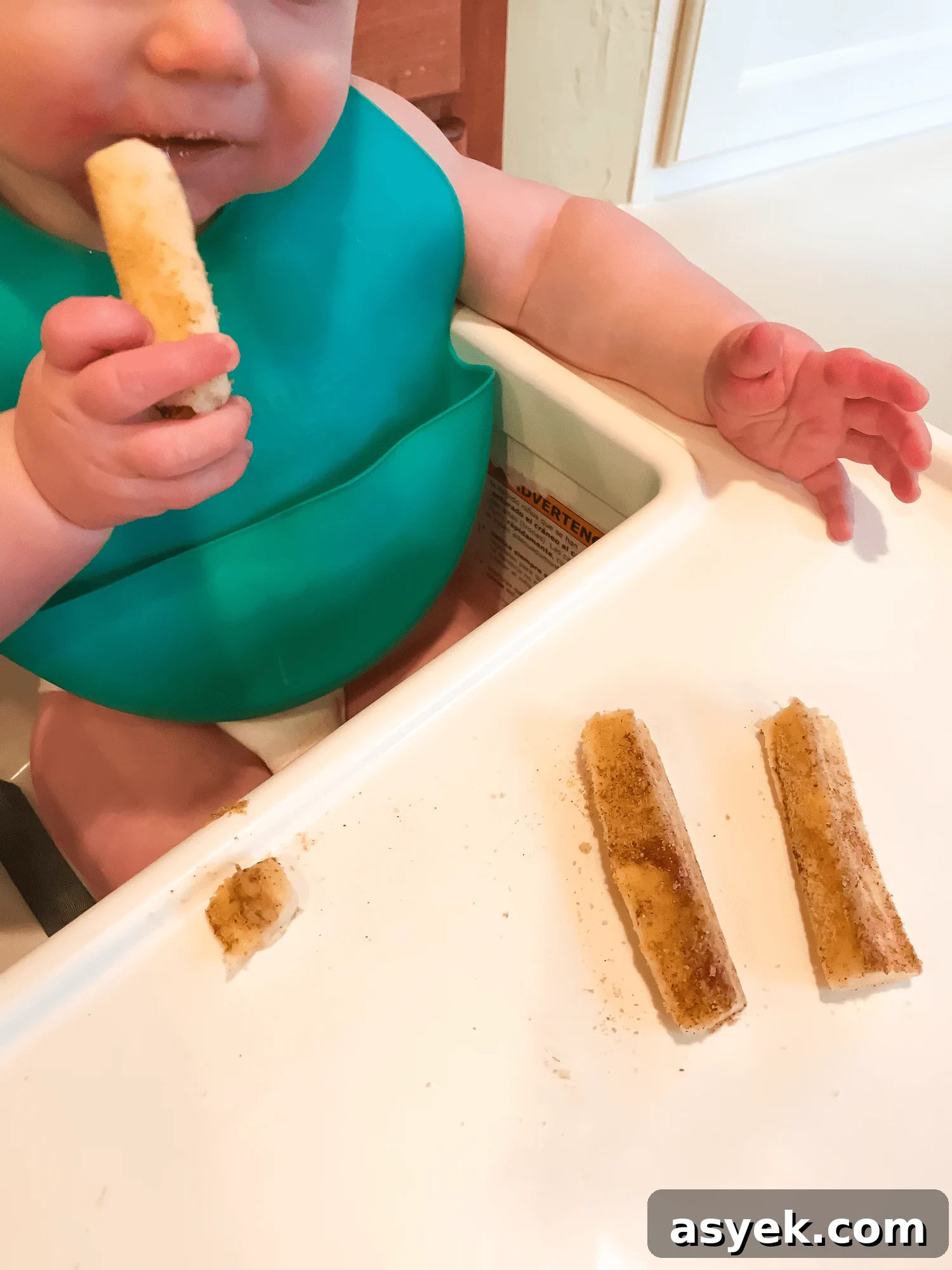
Starting solids can feel nerve-wracking, but with preparation and safe practices it can be an enjoyable, exploratory time for both of you. Focus on variety, appropriate textures, safety, and following baby’s hunger and fullness cues. Trust your instincts, take it slow, and enjoy mealtimes together.
Simple Summary: Quick Ideas for First Foods
- Prioritize healthy fats like avocado and full-fat yogurt.
- Include iron-rich options such as pureed meats, beans, tofu, eggs, and fortified cereals if used.
- Offer a wide variety of fruits, vegetables, grains, and proteins to shape taste preferences.
- Avoid choking hazards, honey under 12 months, and added sugars.
- Introduce common allergens early when appropriate and under guidance if your baby is at higher risk.
If you notice any concerning symptoms after introducing a new food, stop feeding it and contact your pediatrician. With safe practices and a variety of foods, your baby’s first months of eating can lay a strong foundation for healthy, adventurous eating in the years ahead.