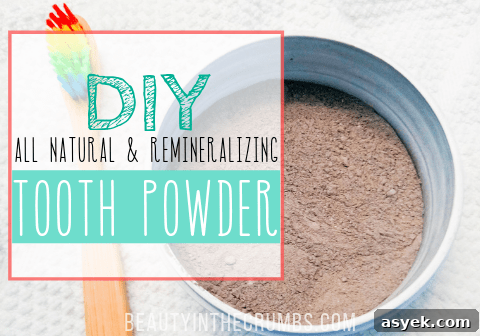
How to Make the Best Remineralizing Homemade Tooth Powder in Under 5 Minutes
Cure tooth decay with this homemade remineralizing and whitening tooth powder made from bentonite clay, activated charcoal, baking soda or diatomaceous earth, essential oils, and spices. This easy DIY recipe is kid-friendly, economical, and a gentle alternative to conventional toothpaste.
Disclaimer: This post contains affiliate links. I may earn a small commission if you make a purchase, but you will not be charged a penny extra. I only recommend products I use and trust.
I’ve meant to share this homemade tooth powder recipe for a long time. Many people ask about it, and it’s one of my favorite DIY creations. I enjoy making my own oral care products because they’re simple, effective, and economical.
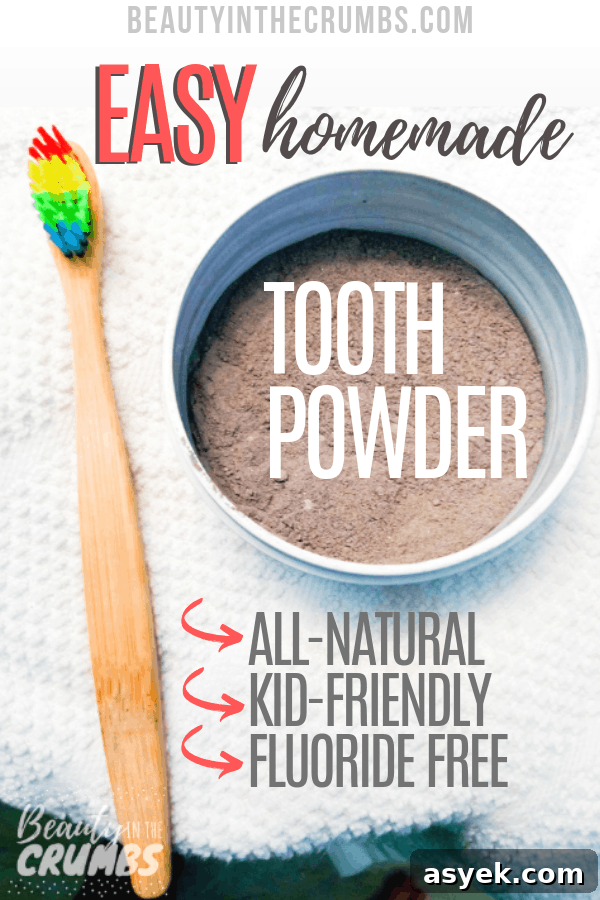
To be precise, this is a tooth powder — not a paste. You can turn it into a paste by adding a bit of coconut oil, but I prefer the powder for its convenience and longevity. If you’ve tried commercial tooth powders, this has a similar feel and purpose.
Why use “dirt” on your teeth? Aren’t we cleaning them?
When I say “dirt,” I mean mineral clays — specifically bentonite clay. Bentonite is excellent at adsorbing impurities and particulates, which is why it’s commonly used in masks and topical cleansers. Together with activated charcoal, bentonite helps lift surface stains and draw out trapped particles.
Teeth are not perfectly solid; they have microscopic pores. Clay and charcoal can help clear out some of the tiny particles that accumulate in those pores, improving surface appearance and cleanliness. The result is a clean, refreshed feel that many people prefer once they get used to the texture and process.
Ingredients you need to make tooth powder
At first glance the ingredient list may seem like a larger upfront expense, but these supplies last a long time and most have multiple household uses. Below are the main ingredients, with brief notes on their benefits and other common uses.
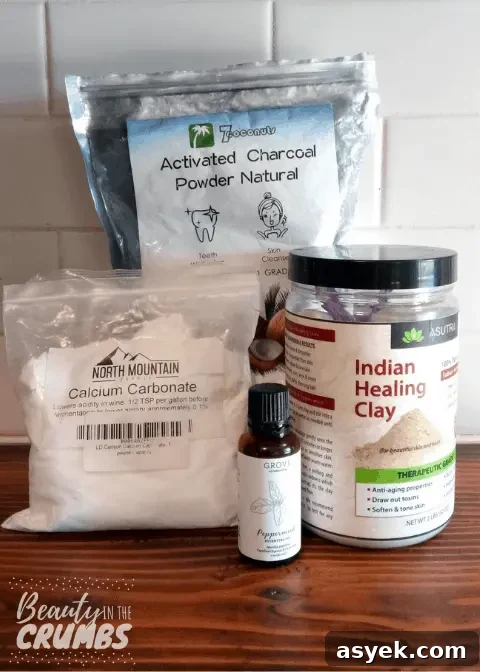
Bentonite Clay
Benefit: Draws out impurities, bacteria, and surface buildup.
Also useful for: DIY skincare and topical salves, including diaper creams.
Activated Charcoal
Benefit: Helps remove stains and adsorb impurities, contributing to a whitening effect.
Also useful for: Emergency uses such as certain types of stomach upset (follow dosing guidance and medical advice for internal use).
Calcium (Calcium Carbonate Powder)
Benefit: Provides mineral support that can complement remineralization efforts.
Also useful for: Craft projects like chalk paint.
Baking Soda
Benefit: Mild abrasive that helps remove surface debris and neutralize odors.
Also useful for: Cleaning and laundry, among many household tasks.
Diatomaceous Earth (optional)
Benefit: Adds gentle abrasiveness for those sensitive to baking soda; use as an alternative if preferred.
Also useful for: Pest control around the home, such as ants or fleas (use food-grade DE for personal use).
Himalayan Salt
Benefit: Contains trace minerals that can support natural remineralization.
Also useful for: Cooking and seasoning.
Ground Cinnamon
Benefit: Adds pleasant flavor and has mild antiseptic qualities.
Also useful for: Baking and flavoring treats.
Ground Cloves
Benefit: Antiseptic properties and a traditional remedy for mild tooth discomfort.
Also useful for: Household cleaners and fragrant mixes.
Peppermint Essential Oil
Benefit: Freshens breath and adds antibacterial properties.
Also useful for: Aromatic recipes and homemade confections when used safely and appropriately.
Something to note about switching to tooth powder
Switching from foamy, minty toothpaste to a mineral tooth powder can feel unusual at first. The texture and lack of foam take getting used to, but many people report a superior clean feeling afterward. Expect a different experience while brushing; the long-term result is often cleaner-feeling teeth and a reduction in surface staining.
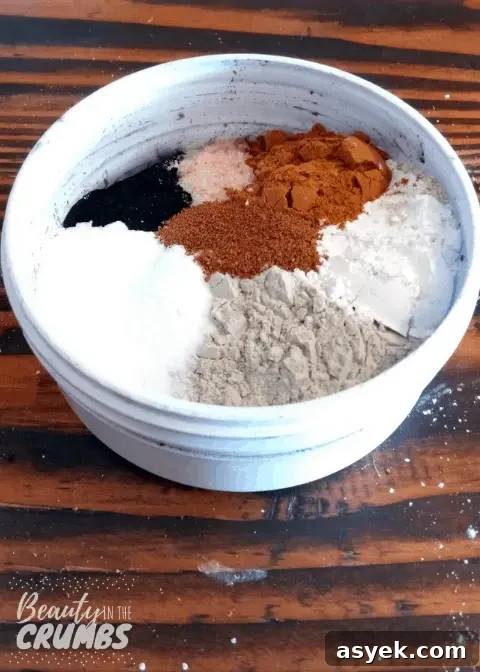
The Nitty Gritty Tooth Powder Recipe
Despite the name, this formula isn’t overly gritty. It blends into a fine, easy-to-use powder.
Ingredients
- ¼ cup bentonite clay
- 1 teaspoon to 1 tablespoon activated charcoal (adjust for desired whitening)
- 1 teaspoon baking soda
- 1 teaspoon diatomaceous earth (or substitute an additional teaspoon of baking soda)
- 2 teaspoons calcium carbonate powder
- 1 teaspoon ground cinnamon
- ½ teaspoon ground cloves
- 1 teaspoon finely ground Himalayan salt (grind in a small coffee grinder if needed)
- 10–15 drops peppermint essential oil
How to Make Tooth Powder
- Combine all dry ingredients in a non-metal container (glass or plastic). Place the salt on top.
- Add the peppermint essential oil directly onto the salt so it distributes evenly and reduces clumping.
- Seal the container and shake or gently stir until fully combined.
How to Use Your Remineralizing Tooth Powder
Wet a toothbrush, dip the bristles into the powder to pick up a small amount, and brush as usual. Rinse thoroughly after brushing.
Cleaning tip: Because this powder contains clay and charcoal, your sink may get more residue. Rinse and wipe the sink after brushing. For stubborn buildup, sprinkle a little baking soda on a damp cloth and wipe in circular motions. Keeping a small shaker of baking soda by the sink makes quick cleanup easy.