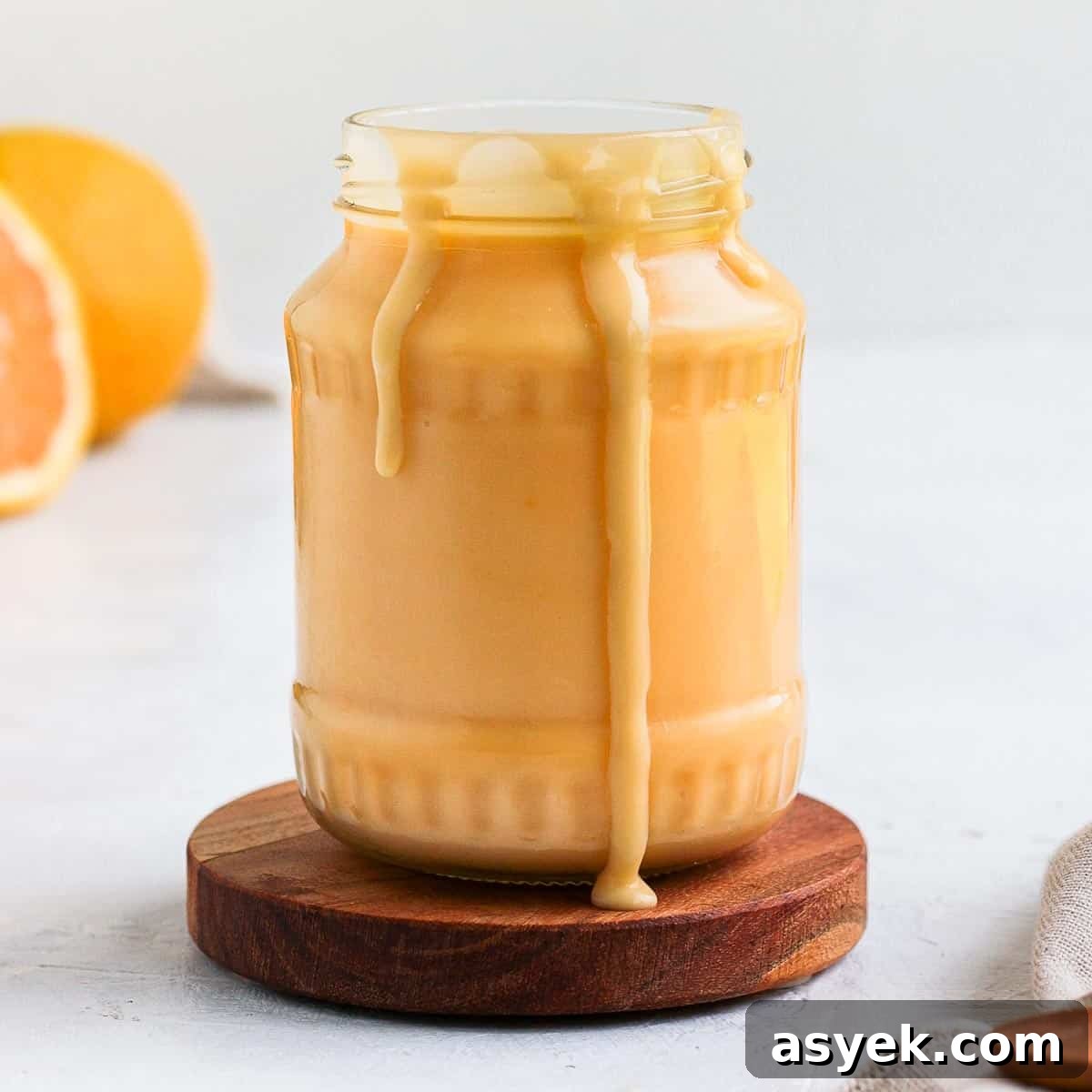
This easy orange curd is made with just four ingredients and comes together in under 30 minutes. It makes a bright, smooth spread or filling perfect for scones, pancakes, waffles, cakes, tarts, or as a topping for ice cream, yogurt, or granola.
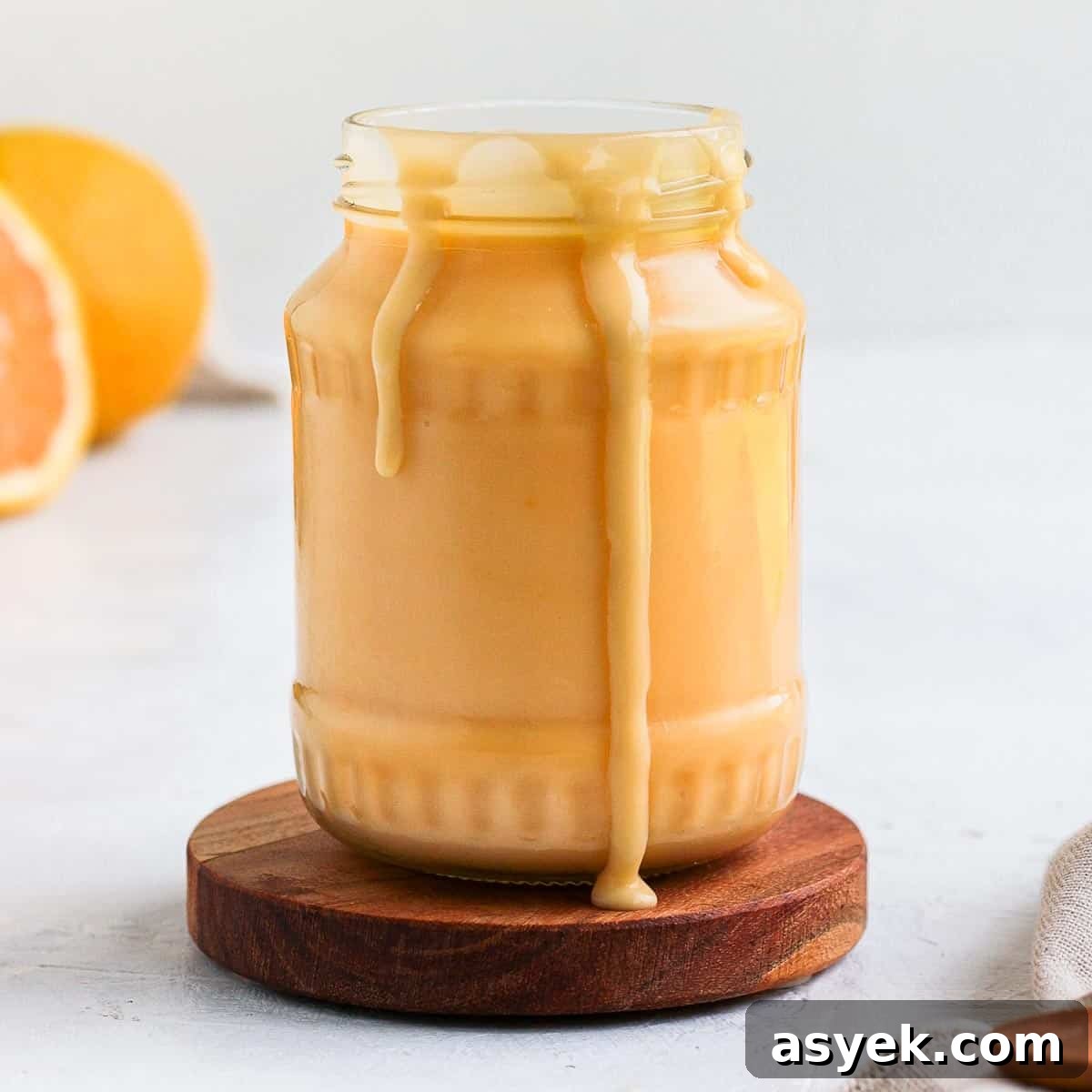
Why we love this recipe
Curds are not just for lemons. Using oranges creates a slightly sweeter but still intensely citrusy curd that works beautifully in both sweet breakfasts and desserts. This recipe is intentionally simple: four basic ingredients, no special equipment, and no double boiler required. Make it on the stovetop in a single saucepan and finish by chilling for a glossy, creamy texture.
This version yields a slightly thin, creamy curd rather than a very firm spread. If you prefer a thicker set—perfect for spreading—you can add a bit of cornstarch or an extra egg yolk. The flavor is bright and fresh thanks to both orange juice and zest, and it pairs well with pastries, cakes, and creamy desserts.
More curd ideas:
- Tangy lemon curd
- Passion fruit curd
- Mango curd
- Apple curd
- Raspberry curd
Ingredients
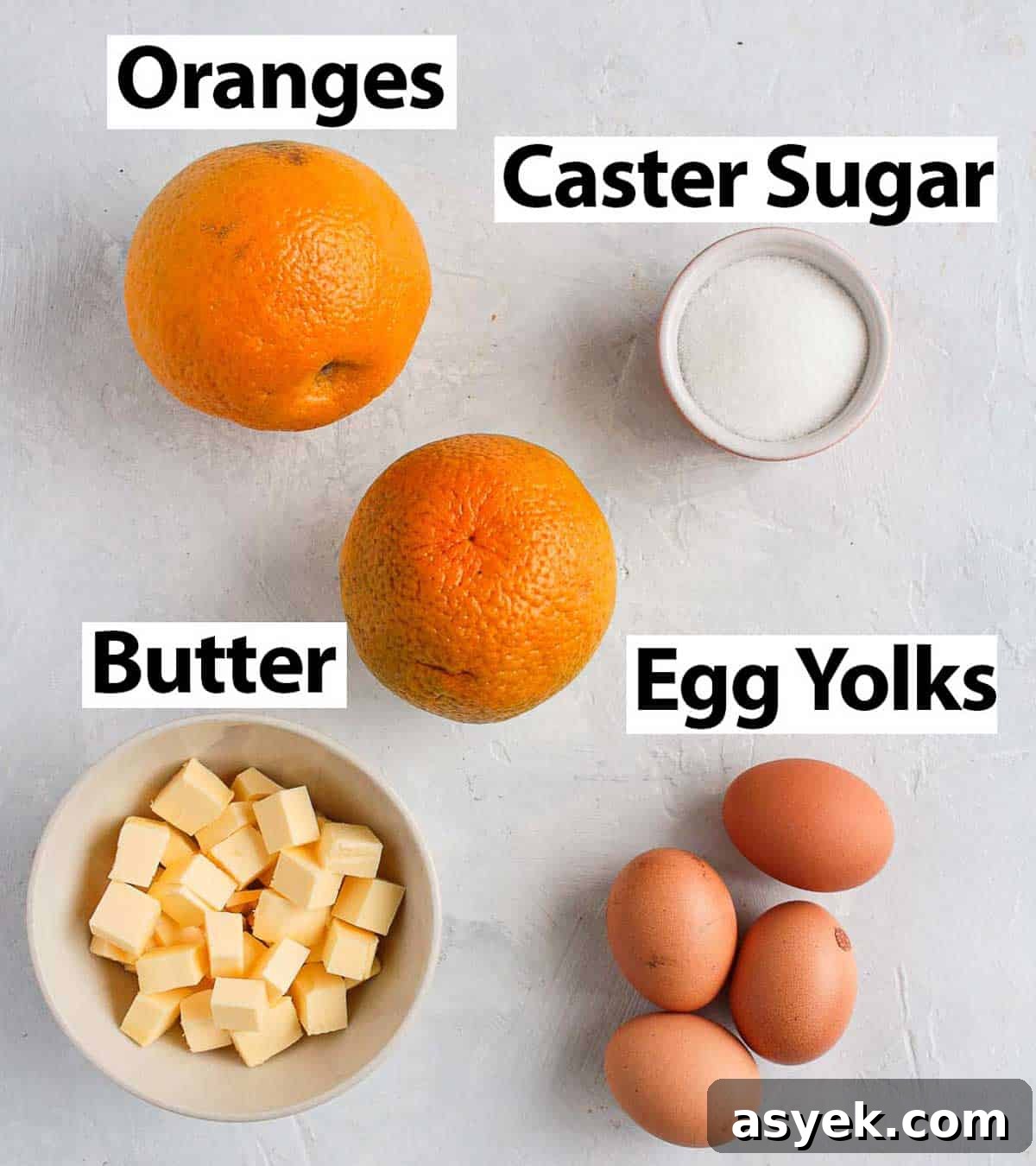
This orange curd uses four main ingredients. Quantities are provided in the recipe section below.
- Oranges: both juice and zest are used for maximum orange flavor. Varieties that yield sweet juice (such as navel-type oranges) work well.
- Sugar: caster sugar or fine white granulated sugar. Brown sugar can be used for a different flavor. For a reduced-sugar version, use a natural sweetener adjusted to taste.
- Butter: unsalted, cut into small cubes and added gradually to enrich and smooth the curd.
- Egg yolks: room temperature yolks provide richness and help thicken the curd. Extra yolk gives a firmer curd.
Optional additions
- Cornstarch: a small amount will thicken the curd more quickly and yield a spreadable texture.
- Lemon juice: a tablespoon of lemon juice can balance overly sweet oranges with bright acidity.
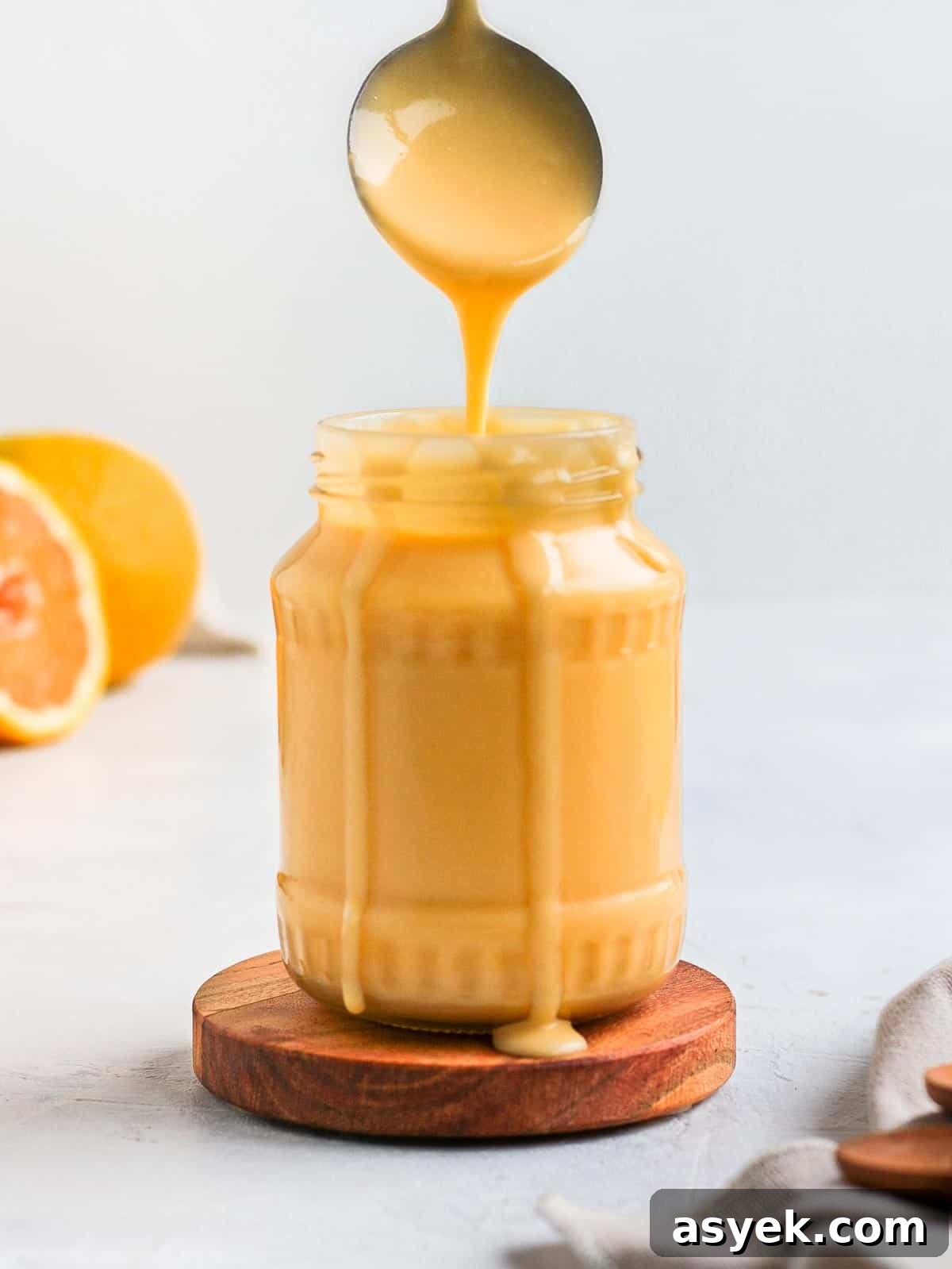
How to make orange curd
Making orange curd on the stovetop is fast and straightforward. Keep the heat low and stir frequently to avoid scrambling the yolks.
- Cut the butter into small cubes and set aside so it will melt quickly when added.
- Zest the oranges and squeeze enough juice to measure the quantity called for in the recipe. Juice volume is more reliable than counting fruit.
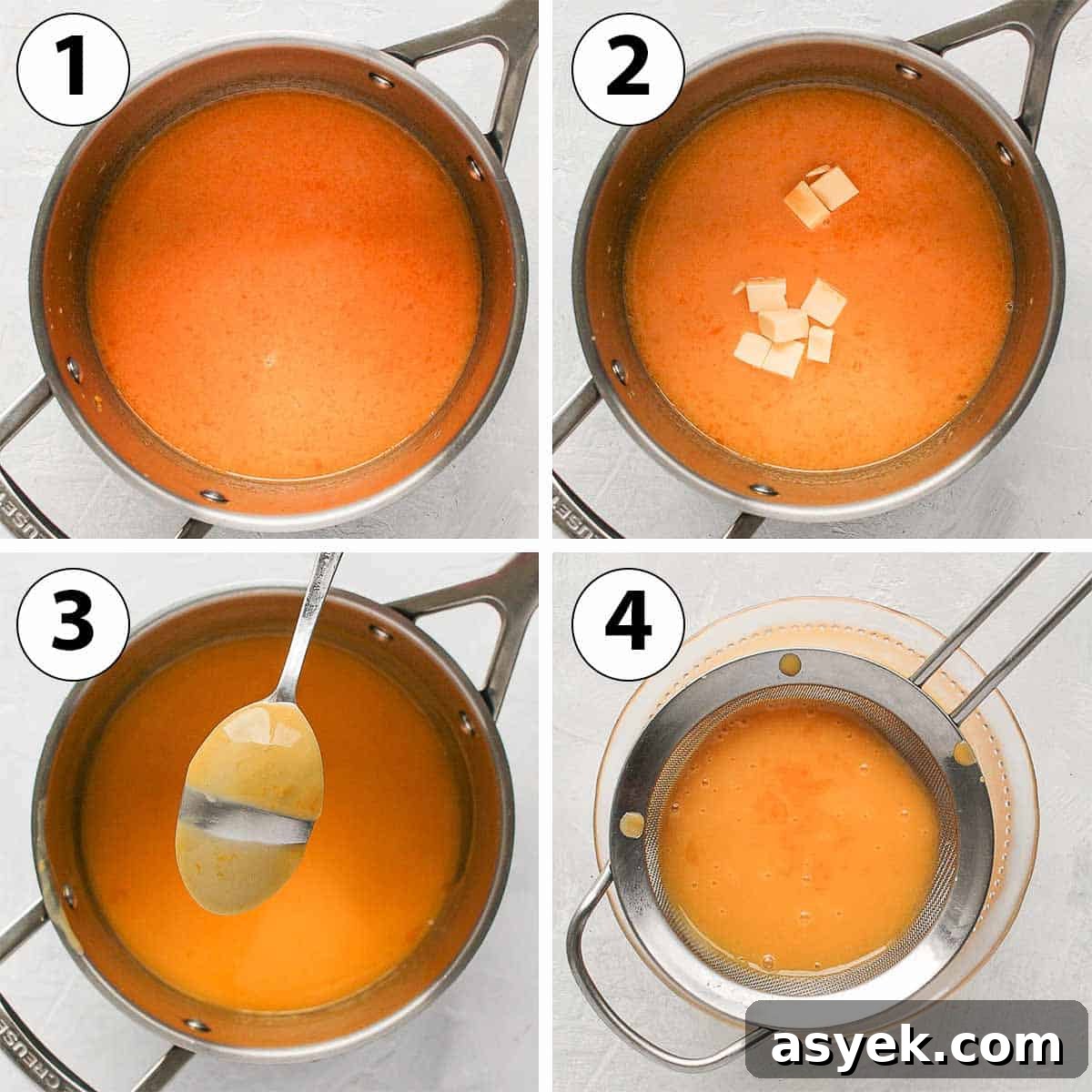
- In a small saucepan, whisk together the orange juice, zest (and optional lemon juice), sugar, and egg yolks. Place the pan over low heat and stir until the sugar dissolves and the mixture begins to thicken slightly.
- If using cornstarch, whisk it into the cold juice/eggs/sugar before heating to avoid lumps; it will thicken much faster.
- Add the cubed butter a little at a time, stirring until each addition has melted and is fully incorporated.
- Continue cooking on low heat, stirring constantly, until the curd coats the back of a spoon and registers about 82°C (180°F) on a food thermometer. This usually takes 5–15 minutes depending on your stove; never let the mixture boil.
- Strain the curd through a fine mesh sieve to remove any cooked egg bits and excess zest for an extra-smooth finish.
- Let cool to room temperature, then transfer to a clean jar and chill for at least 2 hours, preferably overnight, to allow the curd to set and the flavors to meld.
Tips & troubleshooting
- Checking doneness: a food thermometer is the most reliable method—curd is done at about 82°C (180°F). Alternatively, coat the back of a spoon with curd, draw a line through it with your finger, and tilt the spoon; if the line stays clear, the curd is ready.
- Curd too thick: whisk in a little more orange or lemon juice until smooth.
- Curd too thin: stir the curd back into a saucepan and whisk in a cornstarch slurry (cornstarch mixed with a bit of juice) and heat gently until it thickens.
- Adjusting sweetness: taste before chilling. If oranges are not very sweet, increase the sugar slightly or add a splash of lemon juice for balance.
How to use orange curd
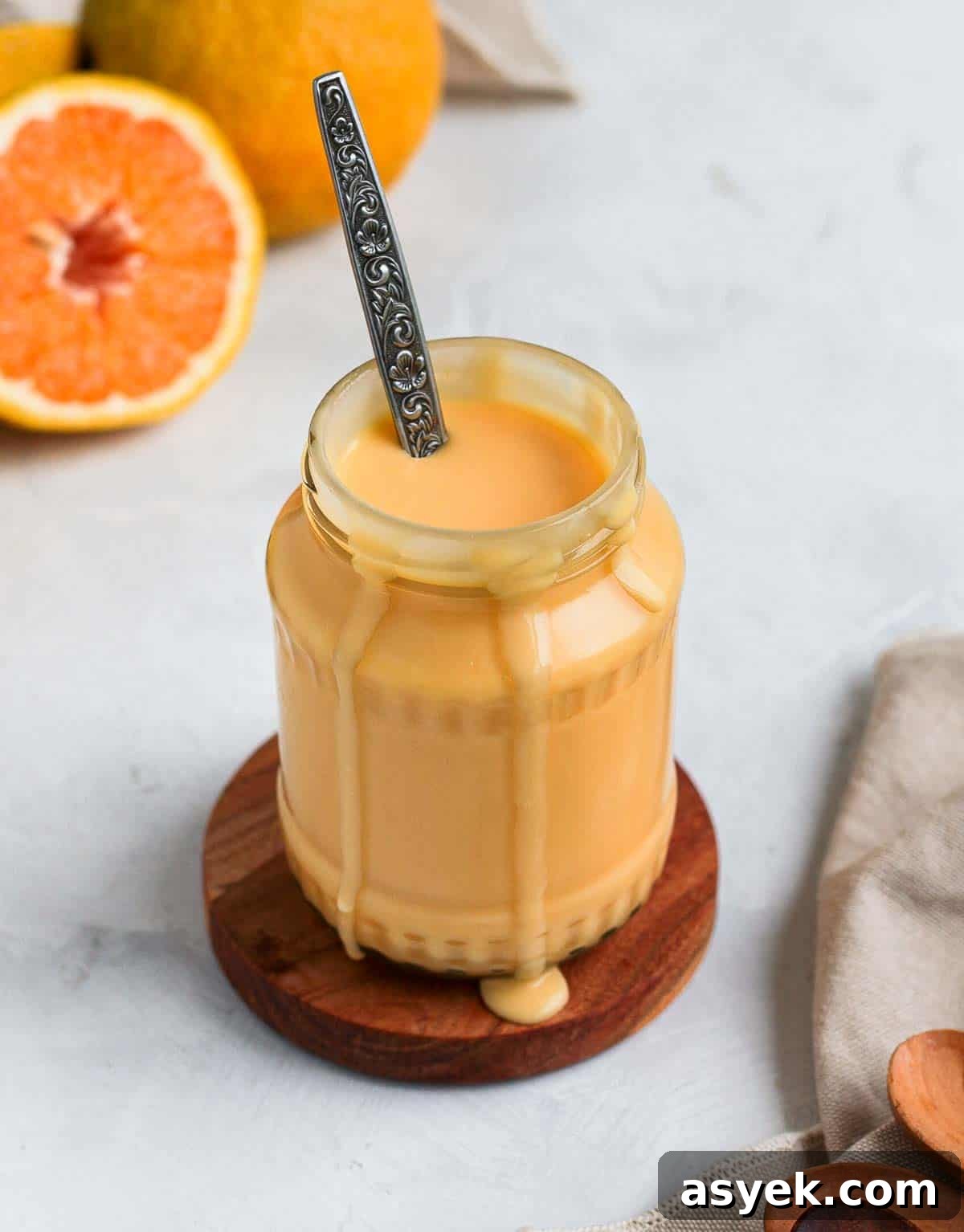
Use orange curd on scones, pancakes, waffles, or spread into tartlet shells. It makes a lovely cake filling or a bright topping for ice cream, yogurt, and mousse. It also works well folded into whipped cream to make a citrus cream filling for layer cakes.
Recipe FAQs
Can I use bottled orange juice? Freshly squeezed orange juice gives the best, brightest flavor. If you use bottled juice, choose 100% orange juice with no added sugar and adjust sweetness to taste.
What about leftover egg whites? Leftover egg whites can be used in other recipes such as small cakes, meringues, or pavlova-style desserts.
Do I need a double boiler? No. A double boiler is optional, but cooking gently in a saucepan on low heat works well and saves time. Just keep stirring and avoid boiling.
How can I make the curd thicker? Add one extra egg yolk or one tablespoon of cornstarch for a thicker set suitable for spreading.
Storing & freezing
Storage: When cooled to room temperature, transfer the curd to a clean glass jar and keep it refrigerated.
Shelf life: Use within one week. This recipe is not intended for long-term canning or preservation because of its lower sugar content.
Freezing: Freezing is not recommended; texture and flavor are best when refrigerated and used within a few days.
More fruit spreads & sauces
- Mixed berry compote
- Blueberry coulis
- Strawberry coulis
- Raspberry coulis
- Blueberry compote
- Mango coulis
- Passion fruit coulis
Made this recipe? Leave a comment below to tell us how it turned out and share any tweaks you tried.
Recipe
Orange Curd
Servings: 12
Prep time: 5 mins • Cook time: 20 mins • Chilling time: 2 hrs • Total time: 2 hrs 25 mins
Author: Sylvie
Ingredients
- 4 egg yolks, at room temperature
- 50 g (1/4 cup) caster sugar (or fine white granulated sugar)
- 125 ml (1/2 cup) orange juice (about 2–3 large oranges)
- Zest of 2 oranges
- 75 g (5 tbsp) unsalted butter, at room temperature, cut into small cubes
Optional
- 1 tbsp cornstarch (for a thicker curd)
- 1 tbsp lemon juice (to add acidity if needed)
Instructions
- Cut the butter into small cubes and set aside. Zest the oranges, then juice them and measure the juice.
- Combine the orange juice, zest (and optional lemon juice), egg yolks, and sugar in a small saucepan. If using cornstarch, whisk it into the cold liquid now.
- Place the pan over low heat and whisk constantly until the sugar dissolves and the mixture starts to thicken slightly.
- Add the cubed butter gradually, stirring until each addition melts and blends in before adding more.
- Continue cooking on low heat, stirring constantly, until the curd coats the back of a spoon or reaches about 82°C (180°F). Do not let it boil.
- Strain the curd through a fine sieve to remove any cooked egg bits and excess zest for a smooth finish.
- Cool to room temperature, transfer to a clean jar, then refrigerate for at least 2 hours or overnight to set.
Notes
- Measure orange juice rather than relying on number of oranges; juice yield varies by fruit.
- If your oranges are not very sweet, increase sugar to taste after cooking and before chilling.
- If adding cornstarch, add it to the cold mixture first to avoid lumps, then heat until thickened.
- For a firmer curd, add an extra egg yolk or use the optional cornstarch.
Nutrition (per serving)
Calories: 87 kcal | Carbohydrates: 6 g | Protein: 1 g | Fat: 7 g | Saturated fat: 4 g | Cholesterol: 79 mg | Sodium: 4 mg | Fiber: 1 g | Sugar: 5 g | Vitamin C: 8 mg