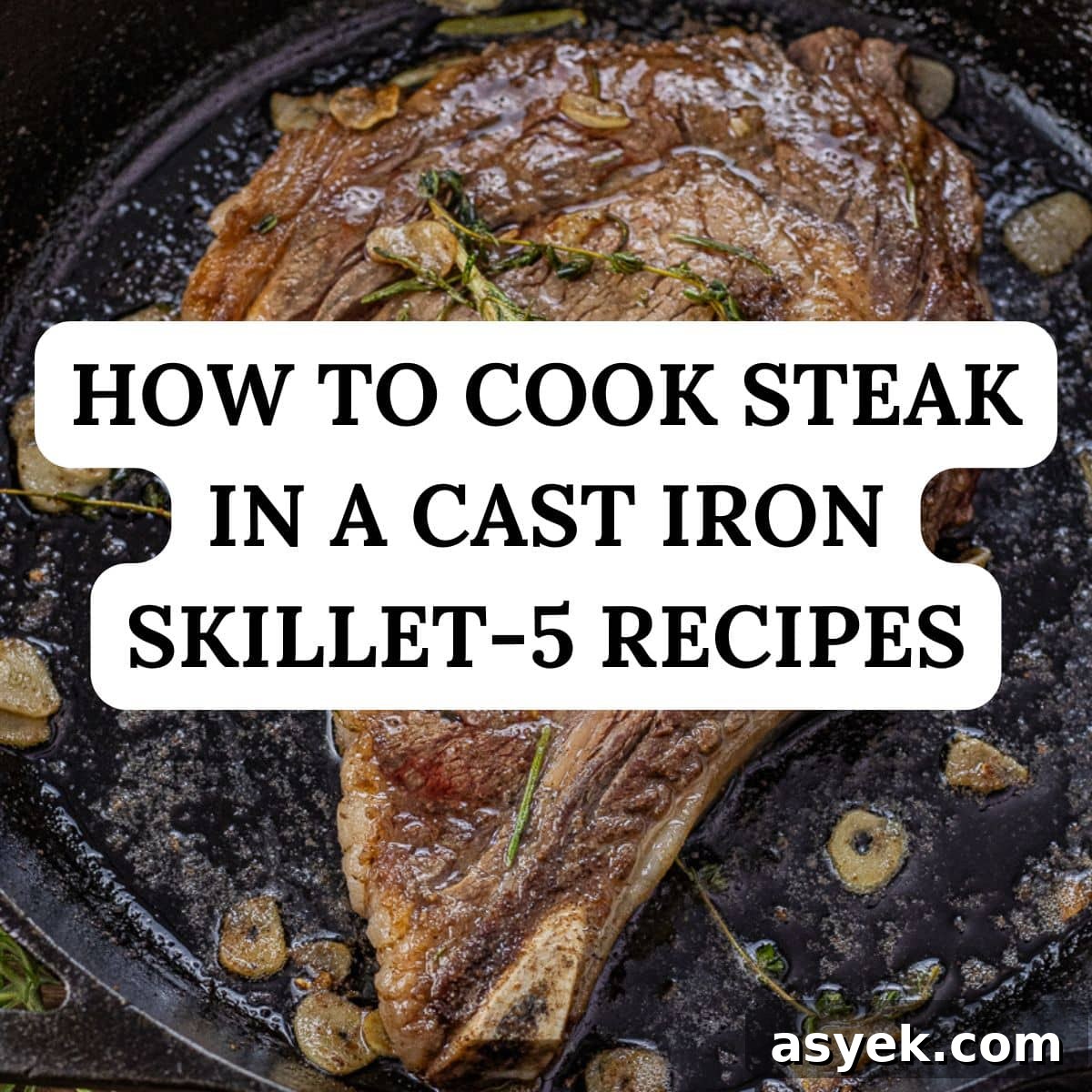
Cooking steak at home in a well-seasoned cast iron skillet is both economical and deeply satisfying. Choose a quality cut from your butcher, bring it to room temperature, heat a heavy cast iron pan until it’s properly hot, and you’ll be amazed by how close a homemade steak can come to a steakhouse result.
Why I Recommend Cook Steak in a Cast Iron Pan
Cast iron is prized for its excellent heat retention and even heat distribution. Those qualities help form a deep, flavorful crust while cooking the interior evenly. When properly seasoned, a cast iron pan develops a natural non-stick surface that makes searing, basting, and finishing steaks straightforward—and cleanup easier than you might expect.
Beyond searing, cast iron handles high heat and is oven-safe, so you can sear a steak on the stovetop and finish it in the oven without changing pans. This versatility, combined with durability, makes cast iron a top choice for reliably excellent stovetop steaks.
With a few basic techniques—preheating the pan, using an oil with a suitable smoke point, seasoning the steak simply, and letting the meat rest—you can get a restaurant-quality crust and perfectly cooked center every time.
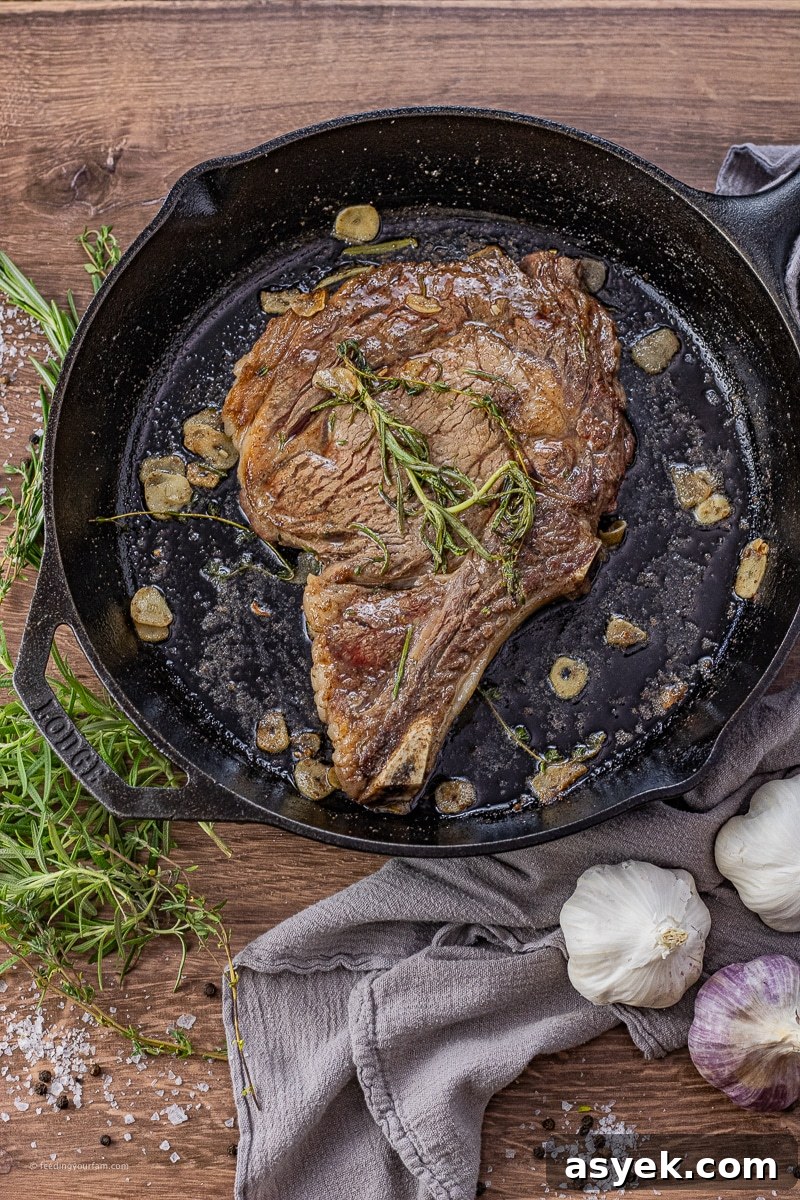

Ribeye Steak in Cast Iron
Ribeye is ideal for cast iron because its marbling melts into the meat and creates rich flavor while the pan builds a brown, crisp crust. For best results, pat the steak dry, season simply with salt and pepper, and sear over high heat. Finish in the oven if the cut is thick, then rest briefly before slicing.
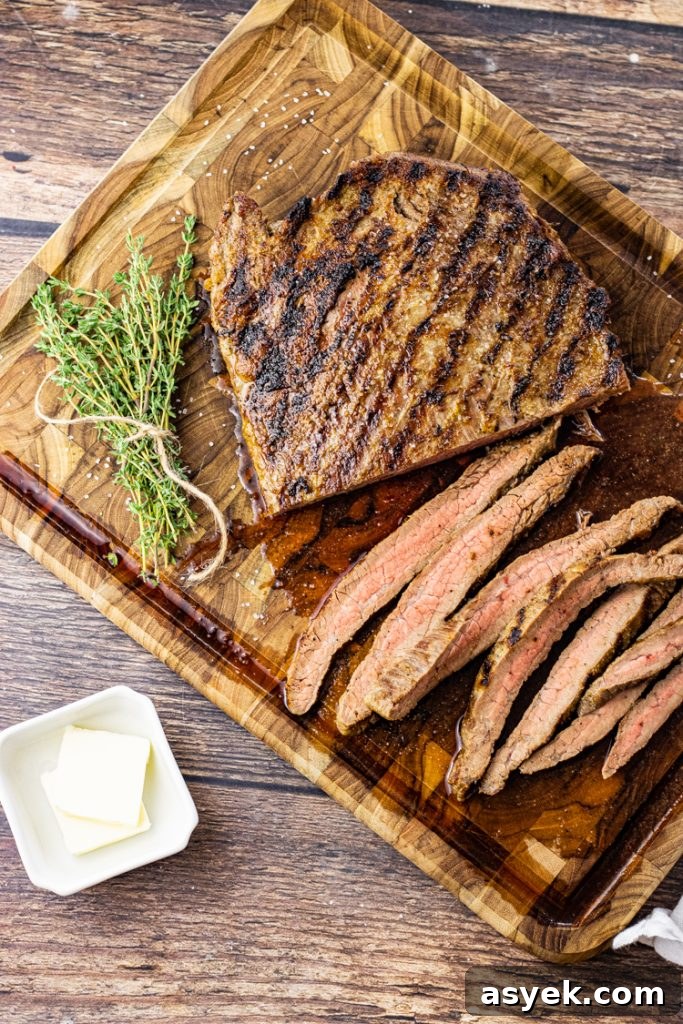

Cast Iron Flank Steak
Flank steak cooks quickly and benefits from high, direct heat. Use a hot cast iron skillet or grill pan to get a good sear, then slice thinly across the grain for tender, flavorful bites. This cut is great for family meals, tacos, or salads.
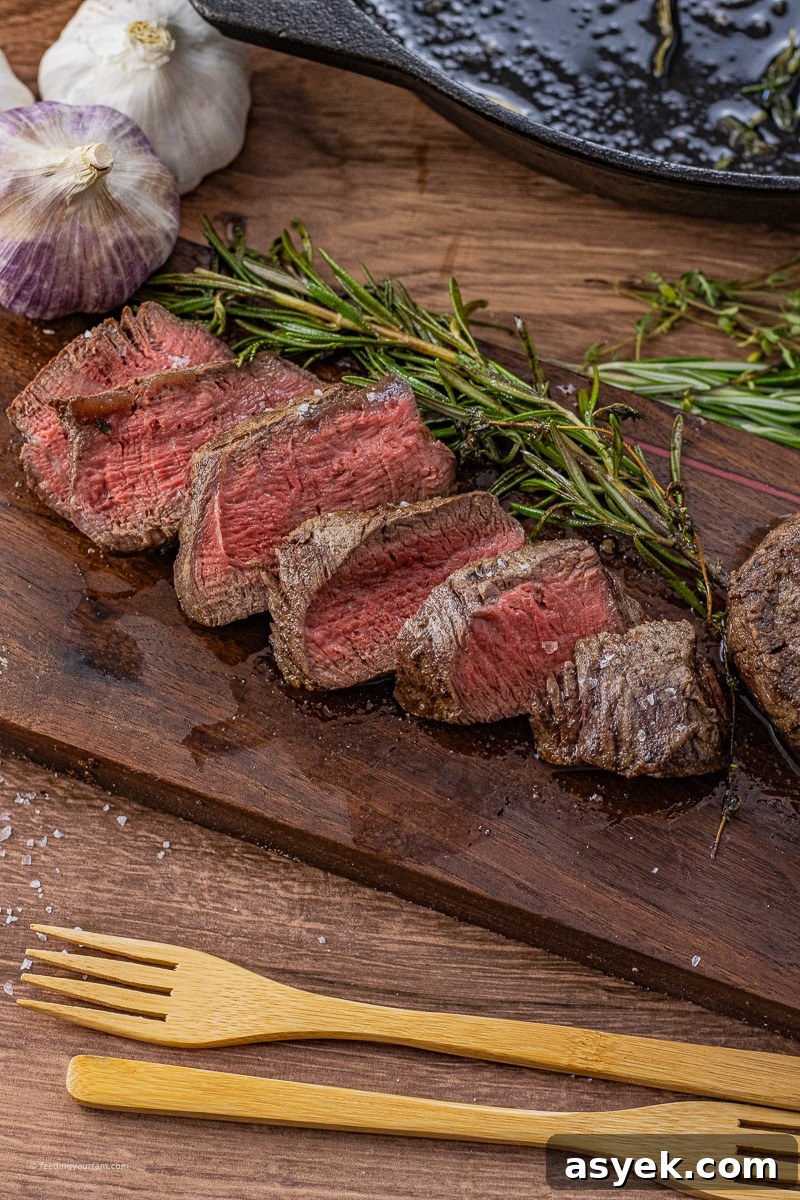

Cast Iron Filet Mignon
Filet mignon is prized for tenderness. In cast iron, a quick, hot sear locks in juices while a short oven finish brings the center to the desired doneness. Keep seasonings simple to let the natural flavor shine.
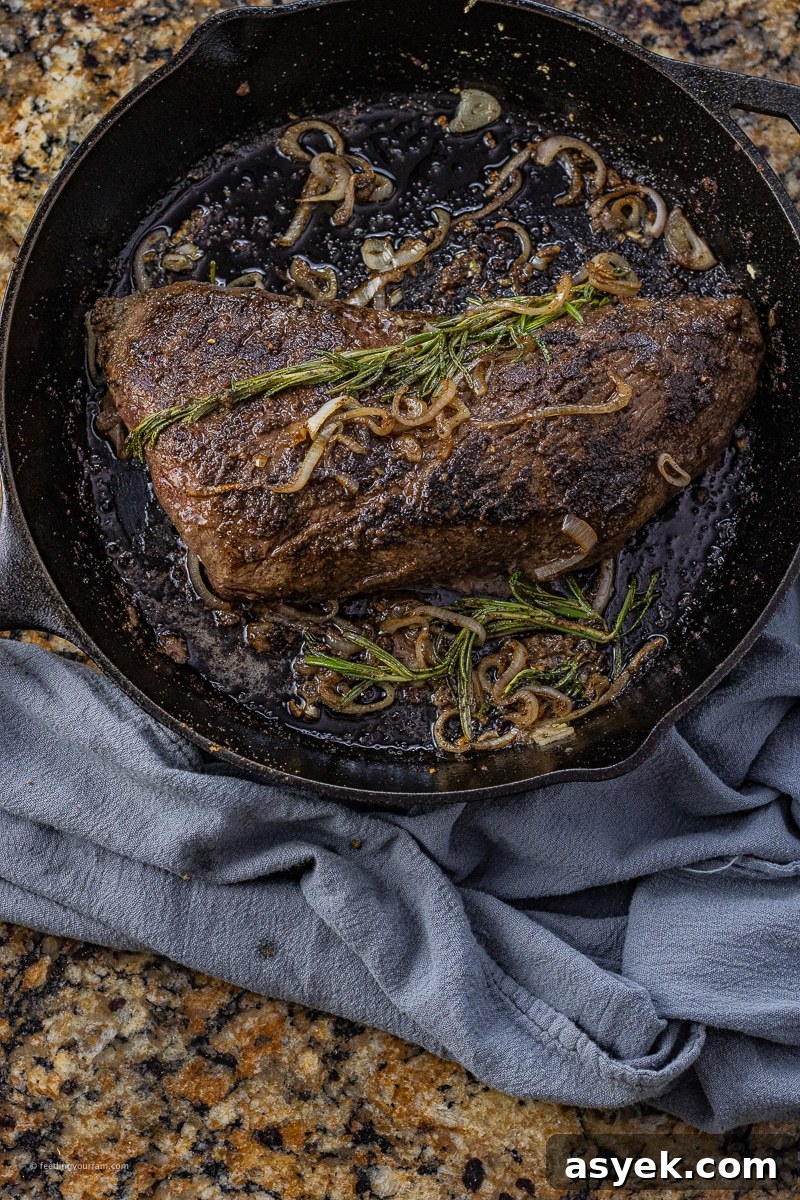

Cast Iron Tri Tip Roast
Tri tip is flavorful and versatile. Sear the roast on all sides in cast iron, then lower the heat or transfer to the oven to finish. Rest the roast before slicing across the grain to keep the meat tender and juicy.
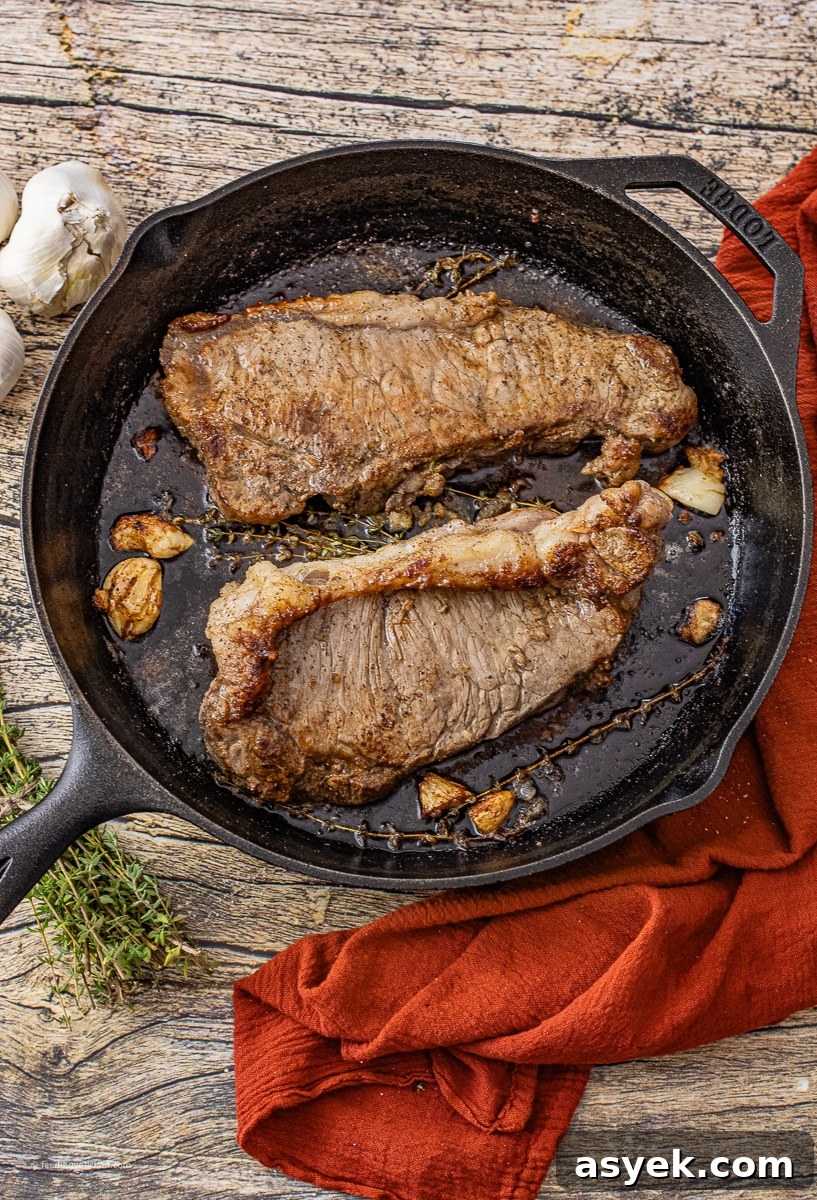

Cast Iron New York Steak
New York strip responds beautifully to a hot pan and quick sear. The result is a firm, beefy steak with a rich crust. For consistent results, use an instant-read thermometer and allow the steak to rest before serving.
Recommended Equipment
- 12-inch cast iron skillet – a versatile size that handles steaks, searing, and oven finishes. A well-seasoned pan will improve over time with use and care.
- Fish spatula or thin metal spatula – a wide, thin spatula helps turn steaks and get under seared edges without tearing the meat; tongs also work well for flipping.
- Instant-read thermometer – the simplest way to achieve consistent doneness by checking the steak’s internal temperature at its thickest point.
FAQs
Use an instant-read thermometer to check the thickest part of the steak for reliable results. General target ranges are:
– Rare – 120–130°F
– Medium Rare – 130–135°F
– Medium – 135–145°F
– Medium Well – 145–155°F
– Well – 155°F and above
Heat the pan until it is very hot, then add a thin layer of oil. The oil should shimmer or gently ripple when the pan is ready—not immediately smoke. A properly hot pan produces quick surface browning and a good crust without overcooking the interior.
Allow the pan to cool slightly, then rinse with warm water and use a soft scrubber to remove stuck-on bits. Mild soap is fine on well-seasoned cast iron. Dry the pan thoroughly and apply a light coat of oil to protect the seasoning. For more detailed care tips, consult a dedicated guide on cleaning cast iron pans.