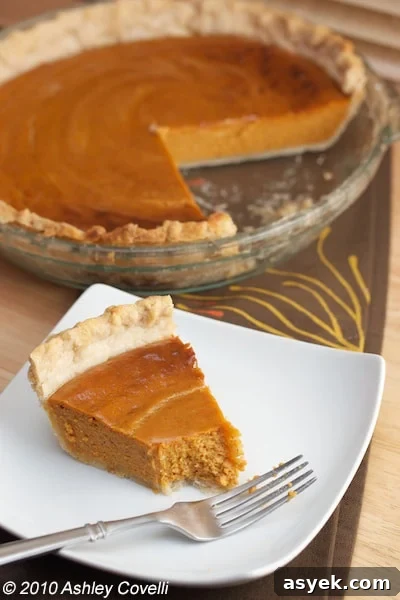
This classic pastry crust recipe includes variations for different pie-plate sizes and for one- or two-crust pies.
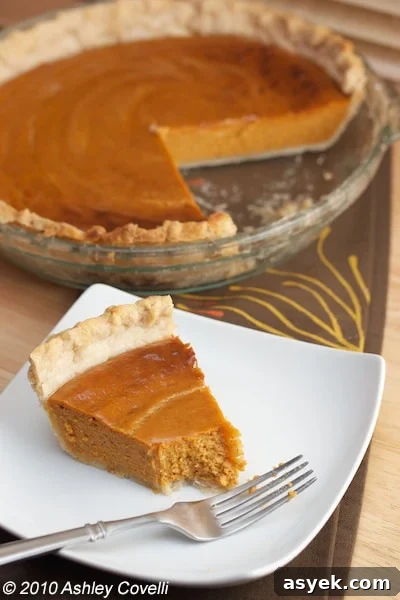
This is the first pie-crust recipe I learned to make. My aunt shared it with me from an old Betty Crocker cookbook she owned long before I was born. It’s straightforward, dependable, and produces a flaky crust whether you use shortening or lard. The recipe below lists ingredient quantities for several pan sizes and for either a single-crust or a double-crust pie.
📖 Recipe
Standard Pastry
A classic, easy-to-make pie pastry with quantity variations so you can make one-crust or two-crust pies in 8-, 9-, or 10-inch pans.
Slightly adapted from Betty Crocker
Course: Dessert
Cuisine: American
Prep Time: 10 mins
Cook Time (for prebaked shell): 8 mins
Total Time: 18 mins
Ingredients
For an 8- or 9-inch one-crust pie
- 1 cup all-purpose flour
- 1/2 teaspoon salt
- 1/3 cup plus 1 tablespoon shortening (or 1/3 cup lard)
- 2–3 tablespoons cold water
For a 10-inch one-crust pie
- 1 1/3 cups all-purpose flour
- 1/2 teaspoon salt
- 1/2 cup shortening (or 1/4 cup plus 3 tablespoons lard)
- 3–4 tablespoons cold water
For an 8- or 9-inch two-crust pie
- 2 cups all-purpose flour
- 1 teaspoon salt
- 2/3 cup plus 2 tablespoons shortening (or 2/3 cup lard)
- 4–5 tablespoons cold water
For a 10-inch two-crust pie
- 2 2/3 cups all-purpose flour
- 1 teaspoon salt
- 1 cup shortening (or 3/4 cup plus 2 tablespoons lard)
- 7–8 tablespoons cold water
Instructions
- Measure the flour and salt into a mixing bowl. Cut in the shortening thoroughly until the mixture resembles coarse crumbs. Keep the fat cold for a flakier crust.
- Sprinkle in the cold water, one tablespoon at a time, mixing gently after each addition. Use only enough water so the flour is moistened and the dough almost clears the side of the bowl; you may need an extra teaspoon or two in some cases. Avoid overworking the dough.
- Gather the dough into a ball and shape it into a flattened round on a lightly floured surface or cloth. For two-crust pies, divide the dough in half and shape each half into its own flattened round.
- With a well-floured rolling pin, roll the dough until it is about 2 inches larger than the inverted pie pan. Fold the dough into quarters, transfer it to the pan, unfold, and ease the dough into place without stretching.
- For a one-crust pie: Trim the overhanging pastry so it sits about 1 inch beyond the rim of the pan. Fold the edge under and roll or flute to finish. Fill and bake according to your filling recipe’s instructions.
- For a prebaked pie shell: Prick the bottom and sides of the unfilled shell thoroughly with a fork to prevent bubbles. Bake at 475°F (245°C) for 8–10 minutes, or until lightly golden.
- For a two-crust pie: Turn the prepared filling into the pastry-lined pan. Roll the second round of dough and place it over the filling. Trim the overhang so about 1 inch extends beyond the lower crust, then fold the edge under and press to seal. Flute the edge as desired.
- To avoid excessive browning along the crust edge, cover the fluted edge with a 2–3 inch strip of aluminum foil during baking and remove the foil for the last 15 minutes so the crust finishes with a nice color.
Notes
Recipe adapted from the Betty Crocker cookbook.
If you choose to use self-rising flour, omit the salt. Keep in mind that pastry made with self-rising flour will have a different flavor and texture than pastry made with plain (all-purpose) flour.
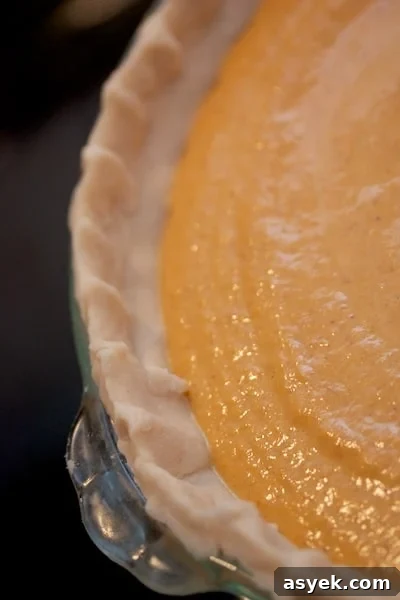
When shaping the crust, if possible hook the fluted edge over the rim of the pie pan to reduce shrinking as the crust bakes and to help it hold its shape.
General tips: keep ingredients and equipment cold, cut in the shortening until pea-sized pieces remain, and handle the dough as little as possible for the flakiest results.
Did you make this recipe?
Please leave a comment and rating to let others know how it turned out.