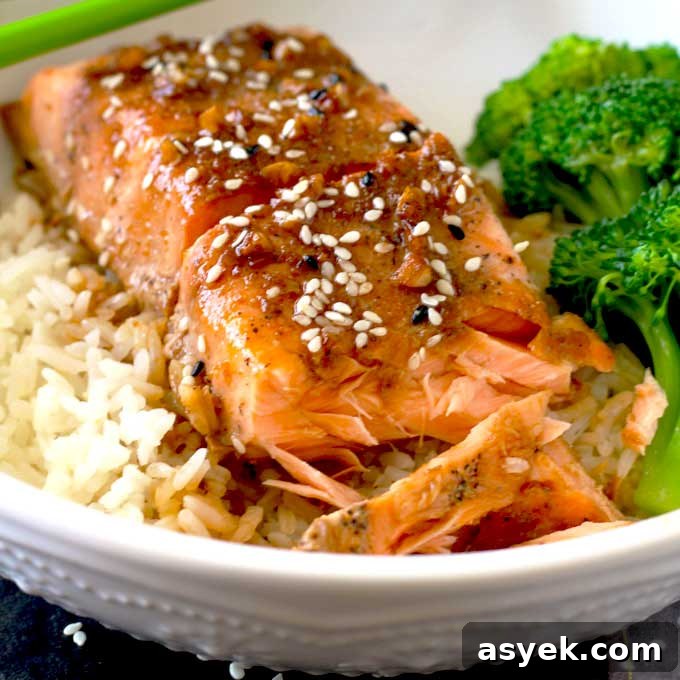
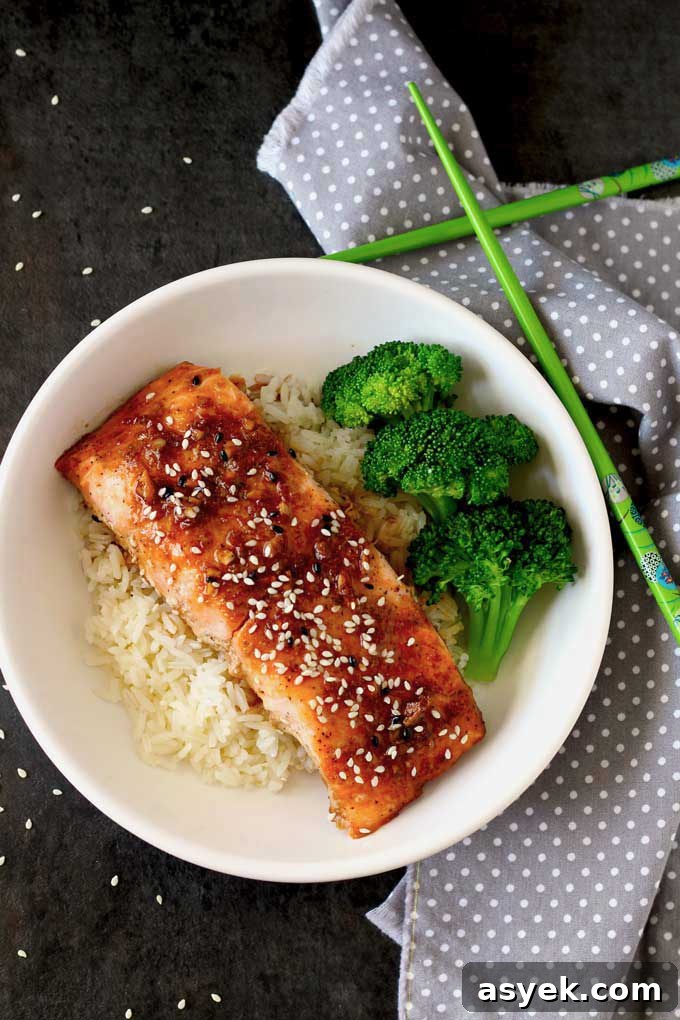
Oven Baked Salmon with Honey Ginger Glaze is a fast, healthy, and elegant meal you can make in about 20 minutes. The glaze caramelizes slightly as the fish bakes, creating a sweet‑savory finish that complements the salmon’s flaky texture.
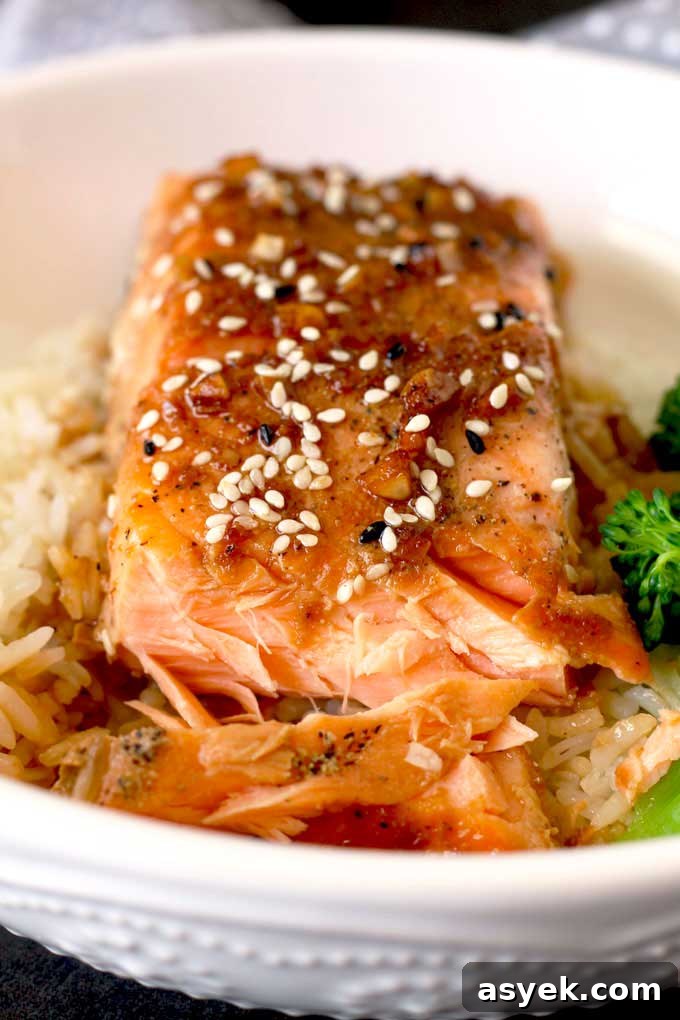
Baked Asian Salmon with Honey Ginger Glaze
This Asian‑inspired baked salmon looks restaurant quality but is surprisingly simple to prepare. It’s one of those go‑to dinners for busy evenings or when you want something special without a lot of fuss. The honey‑ginger glaze is made from a few pantry staples and works beautifully on salmon, chicken, pork, or any firm fish.
Why You Should Make This Salmon Recipe
- Quick to make: Minimal prep and a short bake time mean dinner can be on the table in about 20 minutes.
- Healthy: Salmon provides high‑quality protein, healthy fats, and essential nutrients. Using local, organic honey can be a nice touch if you prefer natural sweeteners.
- One‑pan meal: Everything bakes on a single sheet or in a single dish, limiting cleanup and keeping things simple.
What to Serve with Salmon
This glaze pairs well with light, fresh sides. Try stir‑fried bok choy, blanched green beans, jasmine rice, creamy mashed potatoes, or a simple buttered pasta for a family‑friendly option. Choose sides that balance the glaze—steamed vegetables and a mild grain are classic companions.
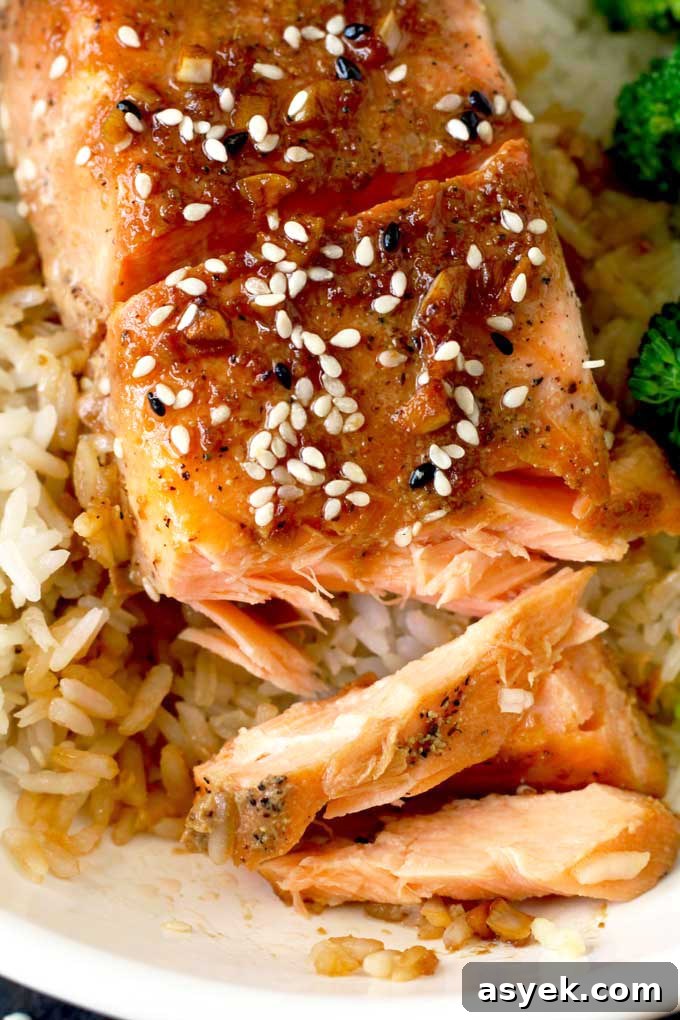
Is Salmon Good For You?
Salmon is one of the most nutrient‑dense and popular fish choices. It’s rich in omega‑3 fatty acids, high in protein, and supplies vitamins and minerals that support heart, brain, and eye health. Regularly including salmon in your diet contributes to overall wellness when part of a balanced eating pattern.
What Type of Salmon Should I Buy?
Choose salmon based on availability, budget, and preference. The main considerations are wild versus farm‑raised and Atlantic versus Pacific varieties. Wild salmon tends to be leaner and often has slightly different mineral content, while responsibly farmed salmon can be a good, more affordable option.
Fresh vs. frozen: Most fish is flash‑frozen after harvest to preserve quality. Frozen salmon can be just as good as fresh when handled properly.
Skin on or skinless: Leaving the skin on helps the fillet stay moist while cooking. If you prefer not to eat it, the skin usually peels off easily after cooking.
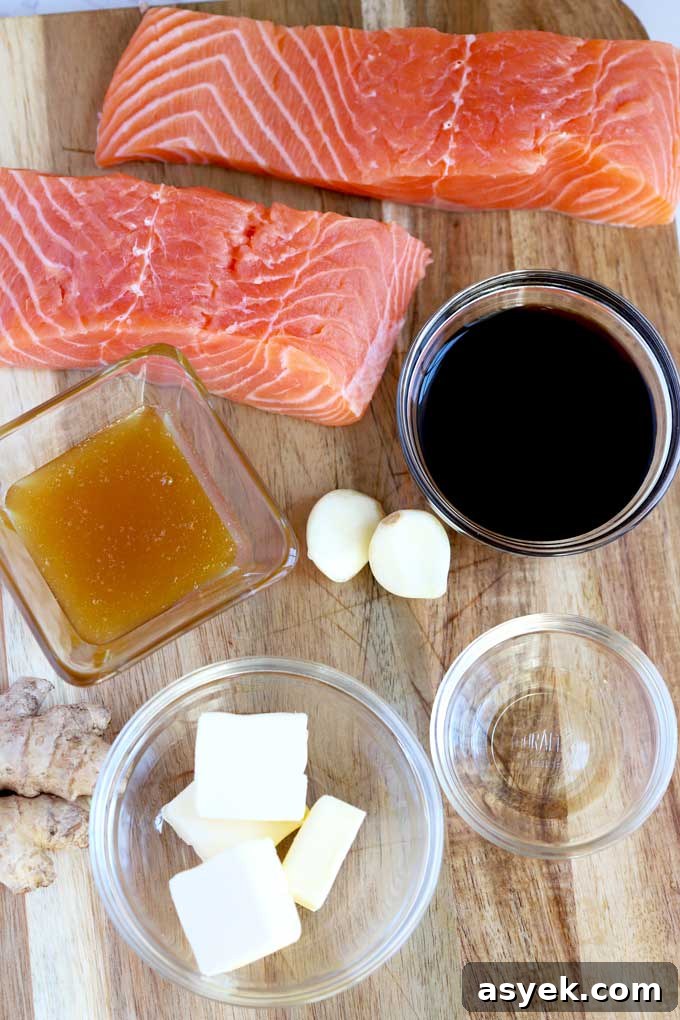
Asian Salmon Ingredients
- Salmon: Use either a whole side of salmon cut into portions or individual fillets, skin on or skinless.
- Butter: Unsalted butter is preferred here to control sodium, but salted works if that’s what you have.
- Soy sauce: Adds savory umami—choose low‑sodium if you prefer.
- Honey: Any honey will work; local varieties add subtle flavor.
- Mirin: A sweet rice wine. If you don’t have mirin, a splash of rice wine vinegar or white wine with a pinch of sugar can substitute.
- Ginger: Fresh grated ginger is best for bright flavor; powdered ginger can be used in a pinch.
- Garlic: Fresh minced garlic is ideal, though garlic paste or granulated garlic are possible alternatives.
- Salt & pepper: Light seasoning enhances the fish even when soy sauce is used.
How to Make the Honey Ginger Glaze
The glaze is quick to prepare and brings the dish together.
- Prep: Preheat your oven to 400°F (200°C).
- Make the glaze: In a small saucepan over low heat, melt the butter and stir in soy sauce, honey, mirin, grated ginger, and minced garlic. Simmer gently for about 3 minutes, then remove from heat and let it cool slightly.
- Season: Lightly season the salmon fillets with salt and pepper.
- Bake: Place the salmon, skin‑side down, on a lined baking sheet or lightly oiled dish. Pour the glaze over the fillets so they’re evenly coated. Bake for 10–15 minutes, depending on thickness, until the fish flakes easily.
Frequently Asked Questions
- Should I bake the salmon covered or uncovered? Bake uncovered for this recipe so the glaze can caramelize slightly.
- Can this be made ahead? Salmon is best served freshly cooked, but refrigerated leftovers will keep in an airtight container for up to 3 days.
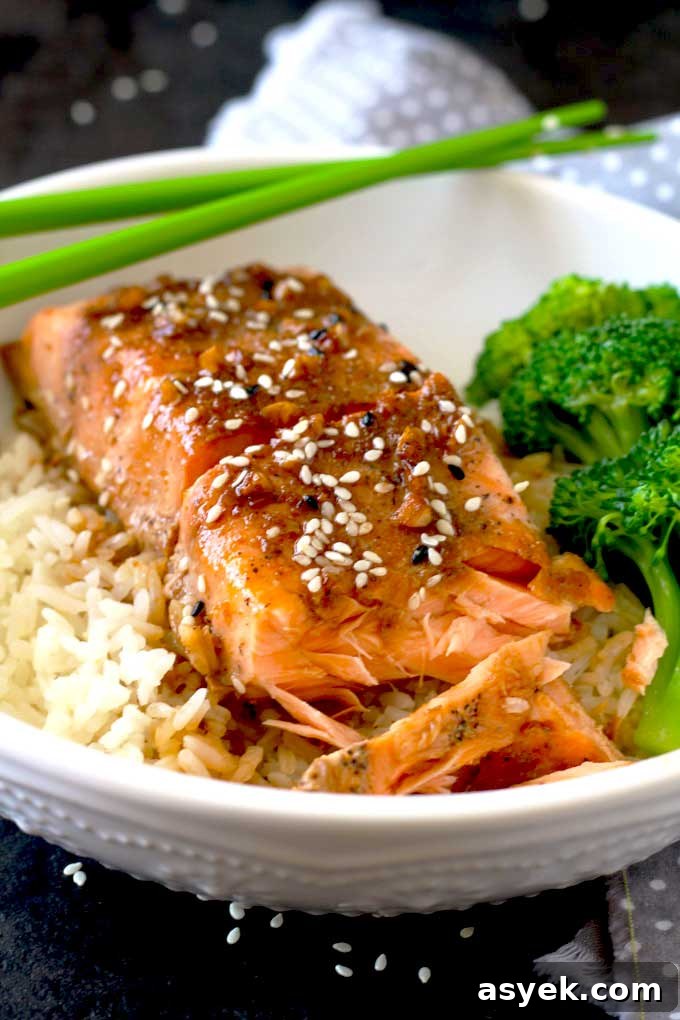
- How do I know when it’s done? The salmon should flake easily with a fork and be mostly opaque with a slightly pink center. An instant‑read thermometer will read about 120–130°F for medium‑rare and 135–145°F for medium to well done.
Why Bake Salmon?
Baking is a low‑effort method that produces moist, flaky salmon without the need for flipping or constant attention. A hot oven cooks the fillet quickly, locking in flavor and texture.
Temperature and Timing
I recommend baking salmon at 400°F. For a 1‑inch‑thick fillet, plan on about 12–15 minutes. Thicker pieces will need more time; wild salmon, being leaner, can cook faster and dry out if overcooked.
Storing and Reheating
Store leftovers in the refrigerator in an airtight container for up to three days. Reheat gently in a low oven (about 300°F) until warmed through, or microwave in short intervals to avoid drying the fish.
Tips and Notes
- If you don’t have mirin, substitute rice wine vinegar or white wine with a pinch of sugar or a splash of lemon for brightness.
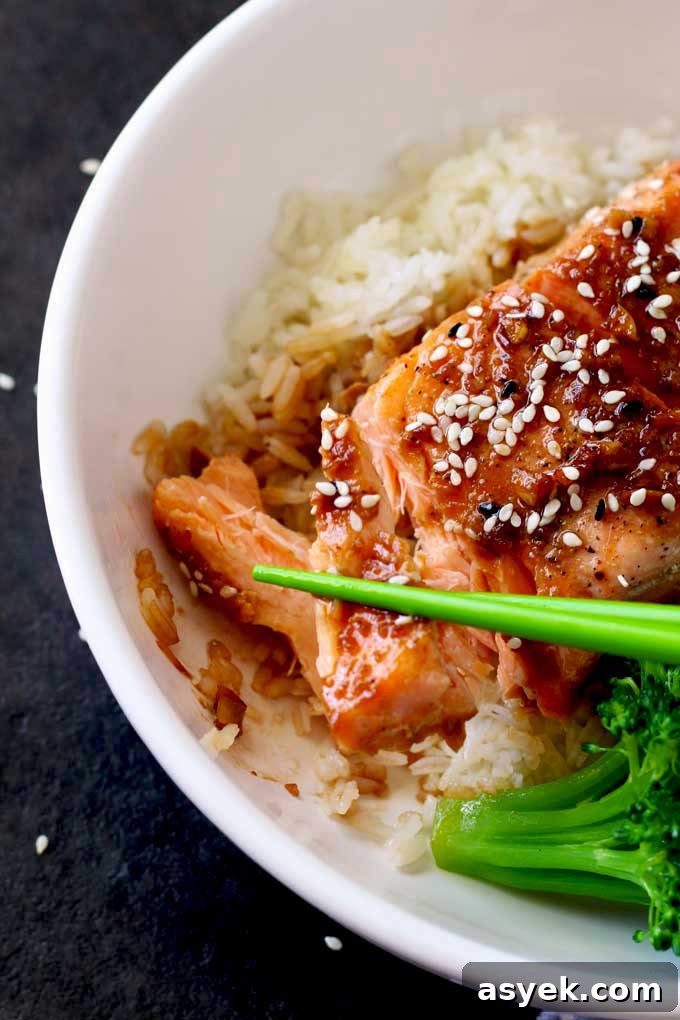
- Perfectly cooked salmon flakes easily and retains a touch of pink in the center.
- Use an instant‑read thermometer if you want precise doneness: 120–130°F for medium‑rare, 135–145°F for medium to well done.
- I always season fish lightly with salt before cooking—it enhances flavor and balances any fishy notes.
Ingredients
For the Glaze
- 4 tablespoons unsalted butter
- 1/4 cup soy sauce (low sodium if preferred)
- 2 tablespoons honey
- 1 teaspoon mirin
- 1 (2‑inch) piece fresh ginger, peeled and grated
- 2 garlic cloves, minced
The Salmon
- 4 salmon fillets (about 6 ounces each), skin on or skinless
- Salt and pepper, to taste
- Sesame seeds for garnish (optional)
Instructions
- Preheat the oven to 400°F (200°C).
- Make the glaze: In a small saucepan over low heat, melt the butter. Stir in soy sauce, honey, mirin, grated ginger, and minced garlic. Simmer gently for about 3 minutes, then remove from heat and let cool slightly.
- Prepare the baking sheet: Line a sheet with foil or parchment (or use a lightly oiled baking dish). Place the salmon skin‑side down and season lightly with salt and pepper.
- Brush or pour the glaze over the fillets, coating them evenly. Bake for 10–15 minutes, depending on thickness, until the salmon flakes easily.
- Remove from the oven, sprinkle with sesame seeds if desired, and serve immediately.
Notes
- Cooking time varies with fillet thickness—aim for a slightly pink center for tender salmon.
- Use a thermometer for accuracy: 120–130°F for medium‑rare, 135–145°F for medium to well done.
Nutrition
Calories: 386 kcal, Carbohydrates: 10 g, Protein: 35 g, Fat: 22 g, Saturated Fat: 8 g, Cholesterol: 123 mg, Sodium: 896 mg, Potassium: 864 mg, Sugar: 9 g, Vitamin A: 420 IU, Vitamin C: 0.5 mg, Calcium: 29 mg, Iron: 1.7 mg.