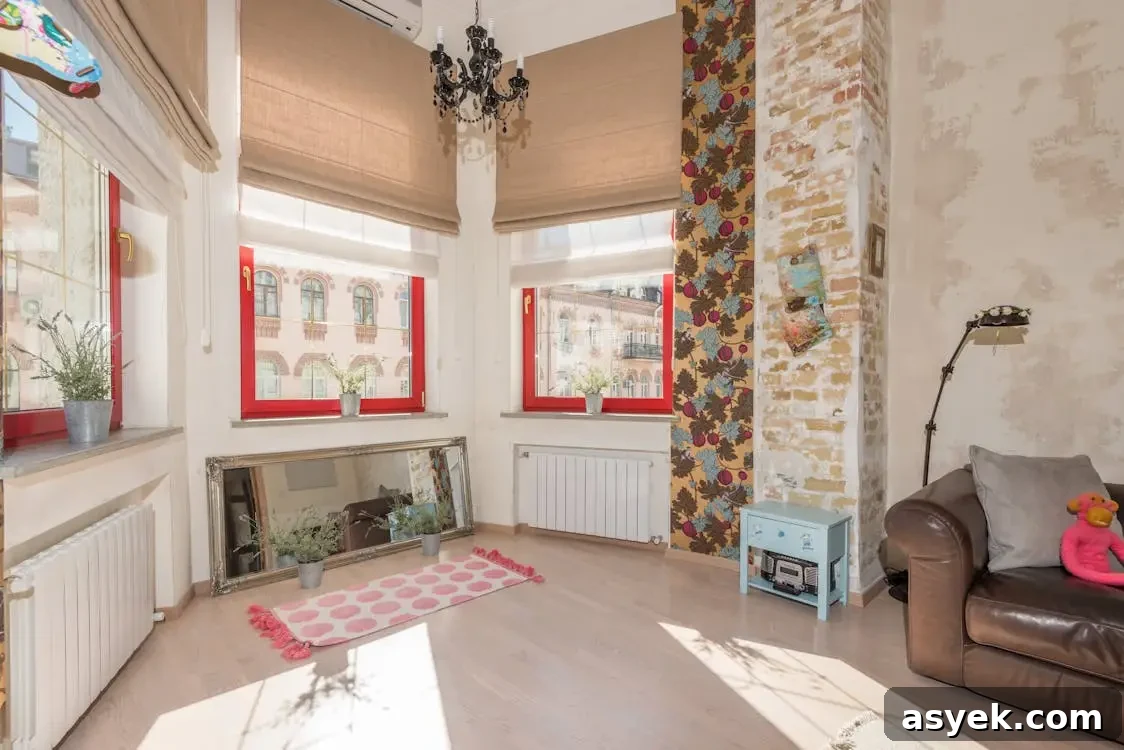
Window treatment trends for 2026 are being driven by more than fabric and color. Rising energy costs, wider smart home adoption, and a stronger focus on comfort and wellness are changing how people choose blinds, shades, curtains, and shutters.
Today’s window coverings are expected to do more than look good. Homeowners prioritize energy efficiency, privacy, automation, UV protection, and everyday comfort. The strongest trends favor practical, understated designs that are cleaner, smarter, and better aligned with daily living.
Why Window Treatments Are Changing in 2026
Many homeowners now seek upgrades that improve comfort without a major renovation. When comparing window-covering brands like Factory Direct Blinds, priorities often center on light control, privacy, ease of use, and long-term value rather than decoration alone.
Current window treatment trends respond to a set of practical needs:
- Improved energy efficiency and temperature control
- Smart home integration for convenience and scheduling
- UV protection for interiors and occupant health
- Flexible daylight management to reduce glare while preserving light
- Softer, warmer modern aesthetics that still read as minimal
Guidance from government and health organizations highlights daylighting considerations and UV exposure concerns, reinforcing why shading and fabric choice matter in everyday home planning.
Smart Window Shades Continue to Dominate Modern Interiors
Smart home technology remains one of the key drivers in window treatment design. Automated shades reduce daily friction: they can be scheduled to control light, privacy, and heat in tune with how each room is used.
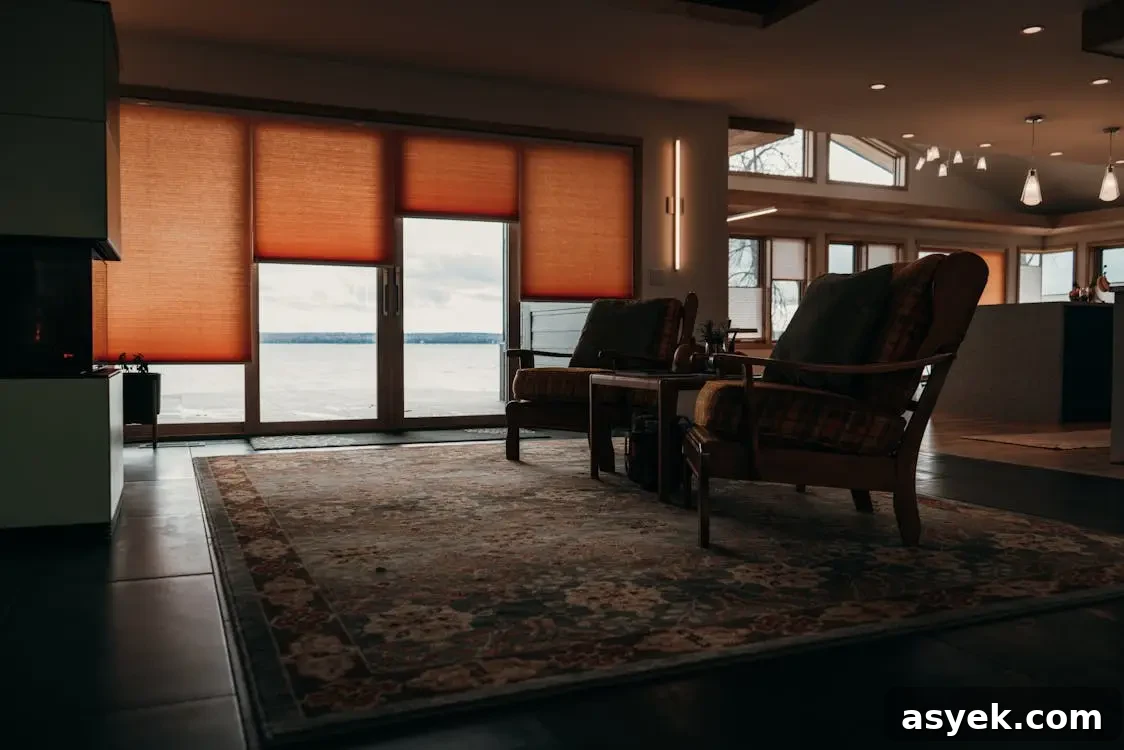
Motorized Shades Become Mainstream
What once felt like a luxury—motorized shades—is now common in bedrooms, living rooms, home offices, and areas with large or hard-to-reach windows. The primary appeal is convenience: shades can close to block harsh afternoon sun or lower automatically for evening privacy.
Energy Savings Through Automation
Automation can help reduce unwanted heat gain and manage daylight more efficiently. While it doesn’t replace insulation or upgraded windows, automated shading supports routines that limit energy use by closing during peak sun and opening when natural light is beneficial.
For budget-minded homeowners, the result is straightforward: automation delivers both convenience and measurable performance benefits.
Layered Window Treatments Are Replacing Single-Layer Designs
Layering window treatments is a leading trend because it increases flexibility. A single blind may provide privacy, but adding sheers, drapery, or a secondary shade improves insulation, reduces light gaps, and softens the room.
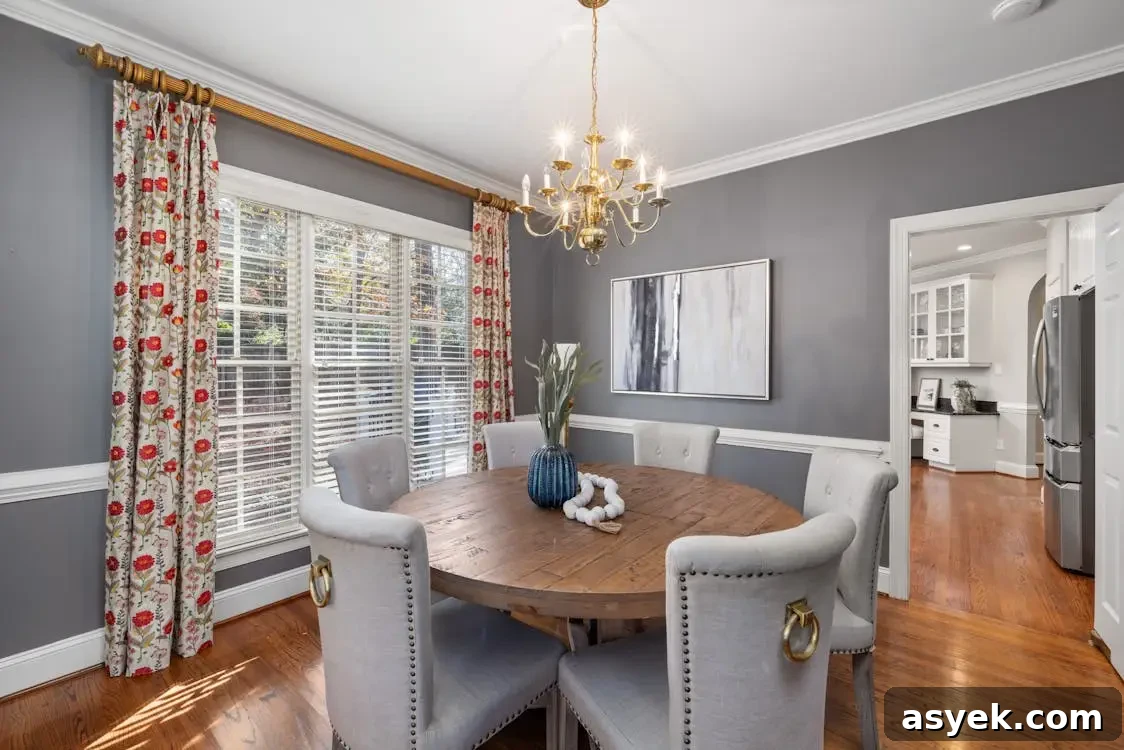
Combining Shades and Drapery
Layered systems work best when each element has a clear role: sheers to filter daylight, blackout drapes to darken a bedroom, and roller shades for a neat base layer. Popular combinations include:
- Sheers paired with blackout drapery
- Roller shades under linen-look curtains
- Woven shades with plain fabric panels
- Solar shades beneath soft drapes
This approach is especially valuable in bedrooms, media rooms, and street-facing spaces where a single product can’t meet all needs.
Why Homeowners Want More Flexible Light Control
People want daylight without glare, privacy without perpetual darkness, and comfort without heavy, dated treatments. Layered and adaptable systems deliver that balance, making them a preferred choice for modern living.
Minimalist and Slim-Profile Shades Lead Modern Design Trends
Contemporary interiors still favor clean lines, but the aesthetic is warming up. Slim-profile shades, concealed hardware, and simple blinds maintain a tidy window silhouette without feeling stark.
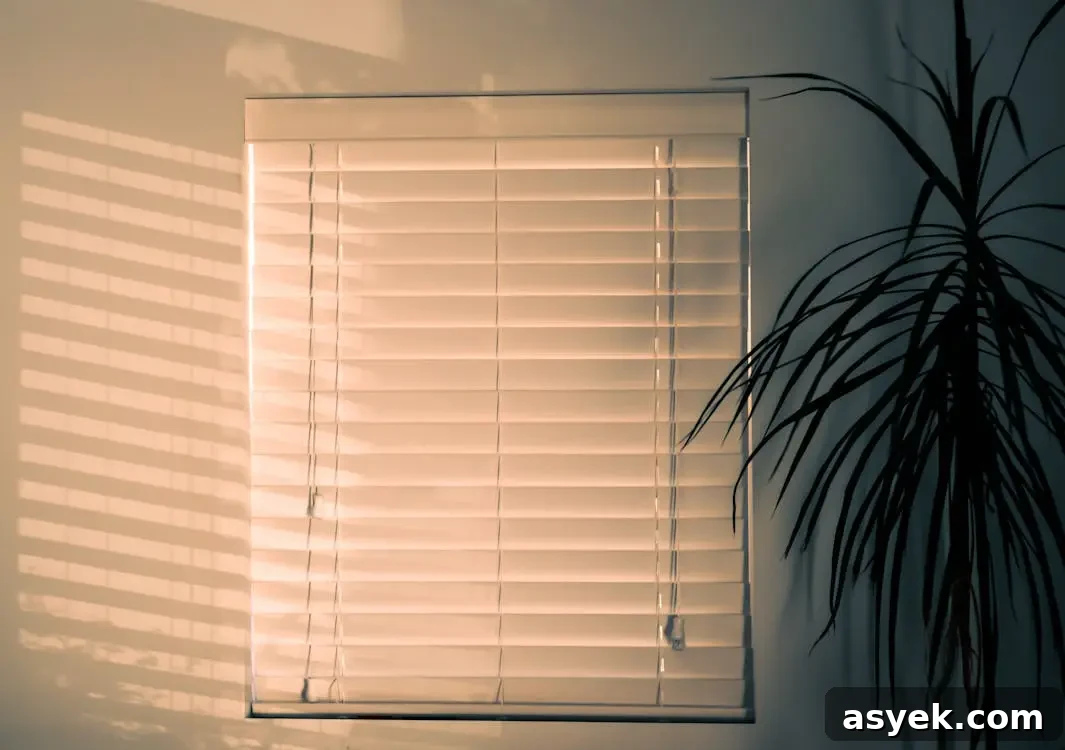
Trending Window Blinds for Contemporary Homes
Standout blind styles for 2026 include roller shades, zebra shades, slim aluminum blinds, and systems with discreet hardware. These solutions frame views, control light, and keep rooms visually calm—ideal for apartments, open-plan homes, and large-window situations.
Sustainable and Energy-Efficient Window Coverings Gain Momentum
Products that reduce heat transfer, glare, or reliance on artificial lighting are growing in importance as homeowners weigh long-term value. Energy-efficient window coverings are increasingly seen as practical upgrades rather than purely decorative choices.
| Trend | Why It Matters | Best Fit |
|---|---|---|
| Cellular shades | Improve insulation and reduce heat loss | Bedrooms and living rooms |
| Solar shades | Reduce glare and solar heat while preserving views | Offices and sunny rooms |
| Motorized shades | Offer timed control and convenience | Large or hard-to-reach windows |
| Layered treatments | Add flexibility, softness, and improved insulation | Bedrooms and formal spaces |
| Woven materials | Introduce natural texture and warmth | Warm modern interiors |
Cellular Shades and Solar Shades for Energy Efficiency
Cellular or honeycomb shades trap air in their cells to reduce heat transfer. Solar shades limit glare and lower solar heat gain while allowing outward visibility, depending on fabric openness. Both balance performance and comfort and are increasingly selected for their practical benefits.
Natural Materials and Textured Fabrics
Linen-like fabrics, woven wood, bamboo, and other natural textures add warmth without cluttering a space. This trend also reflects a growing interest in durable, sustainable materials that last longer and require less frequent replacement.
Wellness-Focused Window Design Is Becoming a Major Trend
Wellness-driven interiors emphasize rest, privacy, and healthier daily routines. Window treatments play a key role by shaping light exposure, reducing glare, moderating temperature, and increasing privacy—factors that affect sleep, comfort, and quality of life.
Accessibility matters too: cordless options, easy-to-use mechanisms, and motorized controls support aging in place and safer daily living for people of all ages.
Color Trends and Design Preferences for 2026
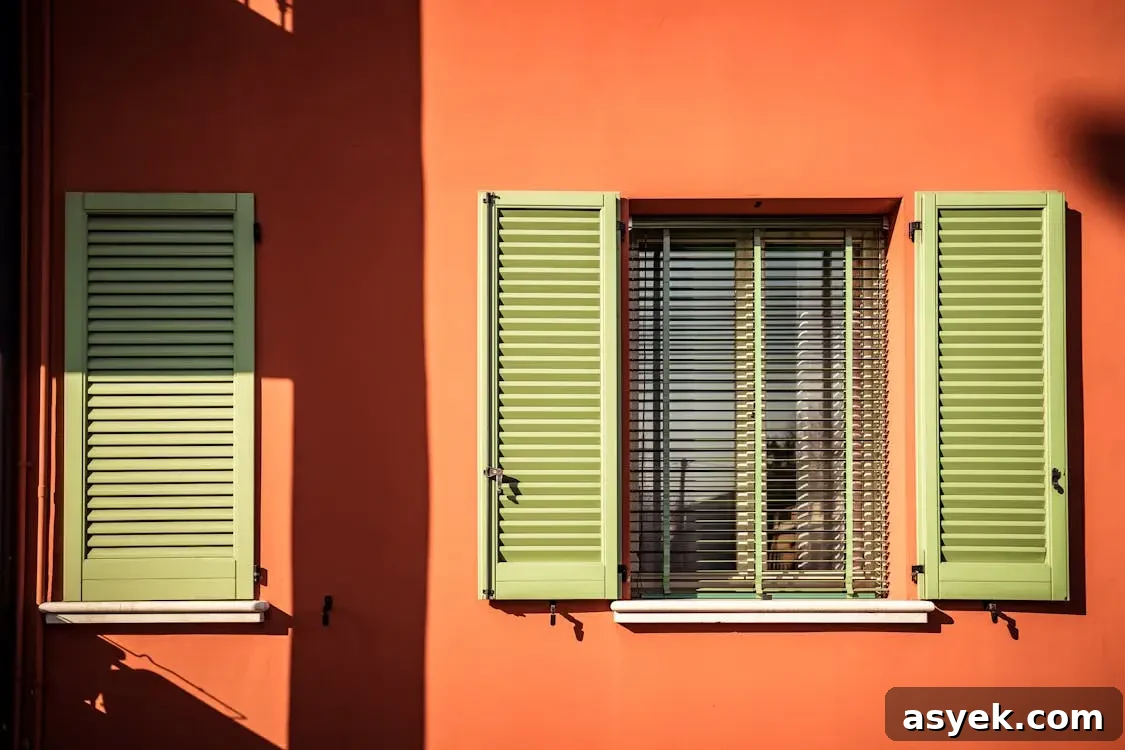
Color palettes are shifting toward warm, natural tones that pair well with floors and furnishings. While crisp white remains popular, many homeowners choose softer hues and textured finishes.
Key color and material directions include:
- Warm whites, cream, and oatmeal
- Taupe, mushroom, and soft gray
- Muted greens, clay tones, and earthy browns
- Textured, natural fabrics rather than flat surfaces
What These Trends Reveal About Consumer Behavior
The market has become practical and performance-oriented. Buyers now ask what a window treatment will do for comfort, utility bills, privacy, and long-term value—so multifunctional products that combine insulation, glare control, and aesthetic appeal are favored.
As household costs rise, smaller, high-impact upgrades like smart shades, cellular systems, and layered treatments offer visible improvements without the expense of full renovations.
The Future of Window Treatments in Modern Homes
Window coverings are evolving into an active part of home performance. Trends for 2026 emphasize comfort, energy efficiency, flexibility, and smart controls. The most successful choices will be those that look clean, operate reliably, and solve everyday household problems.
FAQ
What are the biggest window treatment trends for 2026?
Key trends include smart shades and motorized systems, layered window treatments, cellular and solar shades, natural textured materials, warm neutral colors, and slim-profile designs.
Are Smart Window Shades Worth It?
Smart shades are especially valuable for tall or hard-to-reach windows, rooms with strong sun exposure, privacy scheduling needs, or homes already equipped with smart technology.
What Window Coverings Are Best for Energy Efficiency?
Cellular shades are among the best for insulation; solar shades reduce glare and heat from direct sun. Combining these with layered treatments maximizes comfort and performance.
Are Layered Window Treatments Still in Style?
Yes—layered treatments remain popular for their ability to offer privacy, light control, softness, and better insulation than a single product.
What Colors Are Trending for Window Treatments in 2026?
Warm neutrals, taupe, muted greens, soft grays, clay tones, and textured natural fabrics are the dominant color and material directions for 2026.