I recently spent three weeks in Hawaii with my family. It was a perfect chance to work remotely while taking time to relax and explore. When I travel, I love diving into the local food culture—eating the way locals eat and tasting authentic Hawaiian dishes wherever possible.
Although Hawaii is part of the United States, its culture, flavors, and pace of life feel distinctly different. The islands are lush and tropical, and the climate encourages a diet rich in fresh fish, tropical fruits, and simple, relaxed meals that reflect island living.
Poke
Ahi poke is one of my favorite Hawaiian foods. Locals often pick up poke at grocery stores the same way mainlanders might get deli items. I visited a Foodland in Oahu that offered more than 30 varieties of poke—so many options that I couldn’t sample them all during my week there. The range of seasonings and preparations showcases how versatile raw fish can be, and every visit to a poke counter felt like discovering a new flavor combination.
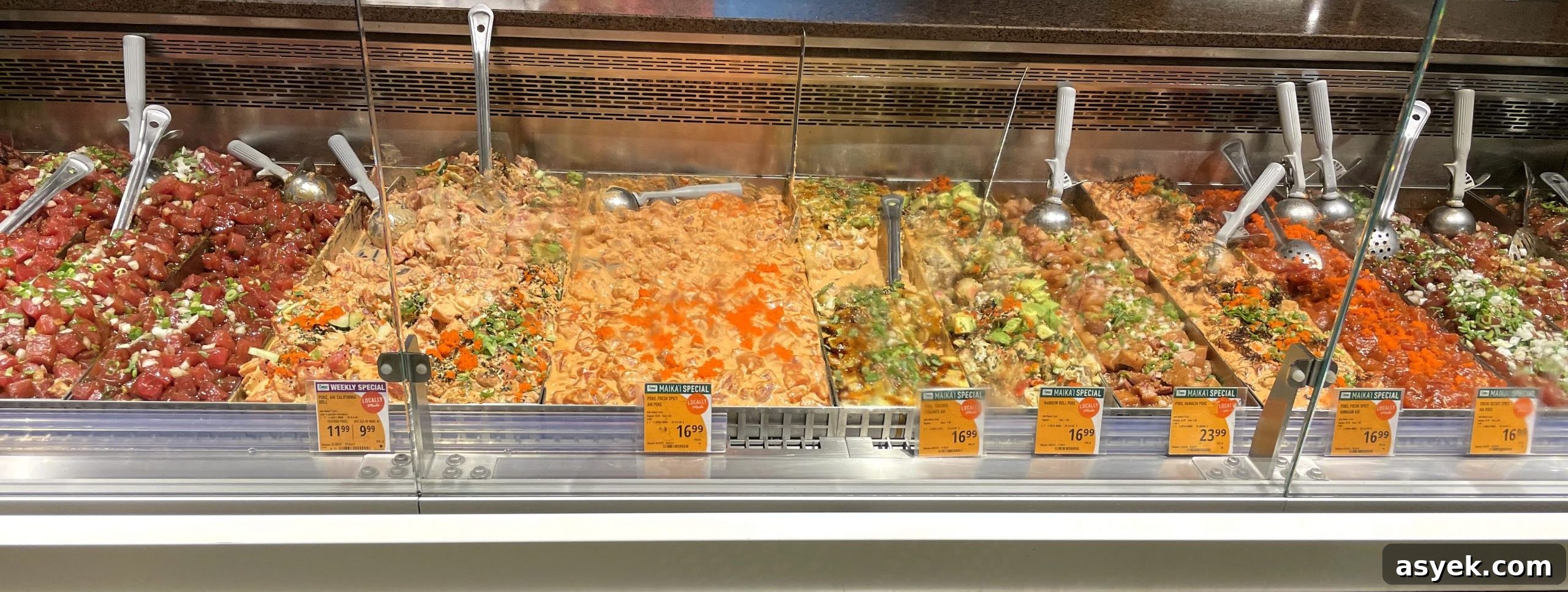
Poke bar at Foodland
Coconut water.
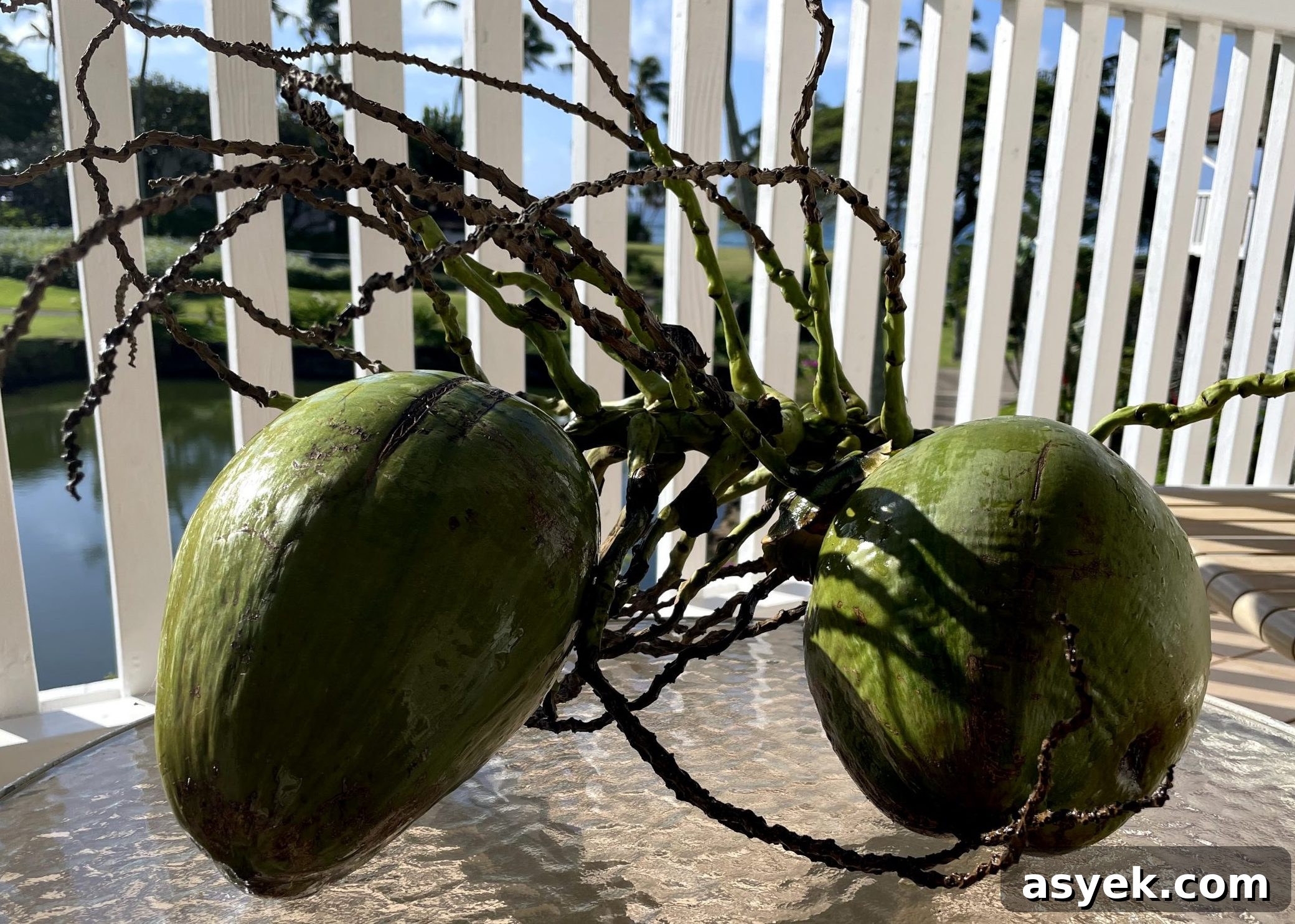
Coconut trees are everywhere in Hawaii. While they can be a liability for property owners, I’m a big fan of fresh coconut water—long before it became trendy. I also enjoy the soft, gelatinous meat of a young coconut. In other countries I’ve visited, coconut vendors could tell the coconut’s maturity by sight, offering options that vary in sweetness and meat texture. In Hawaii, I bought a freshly cut coconut from a roadside stand for $5, drank the water, and asked the vendor to remove the meat for me.
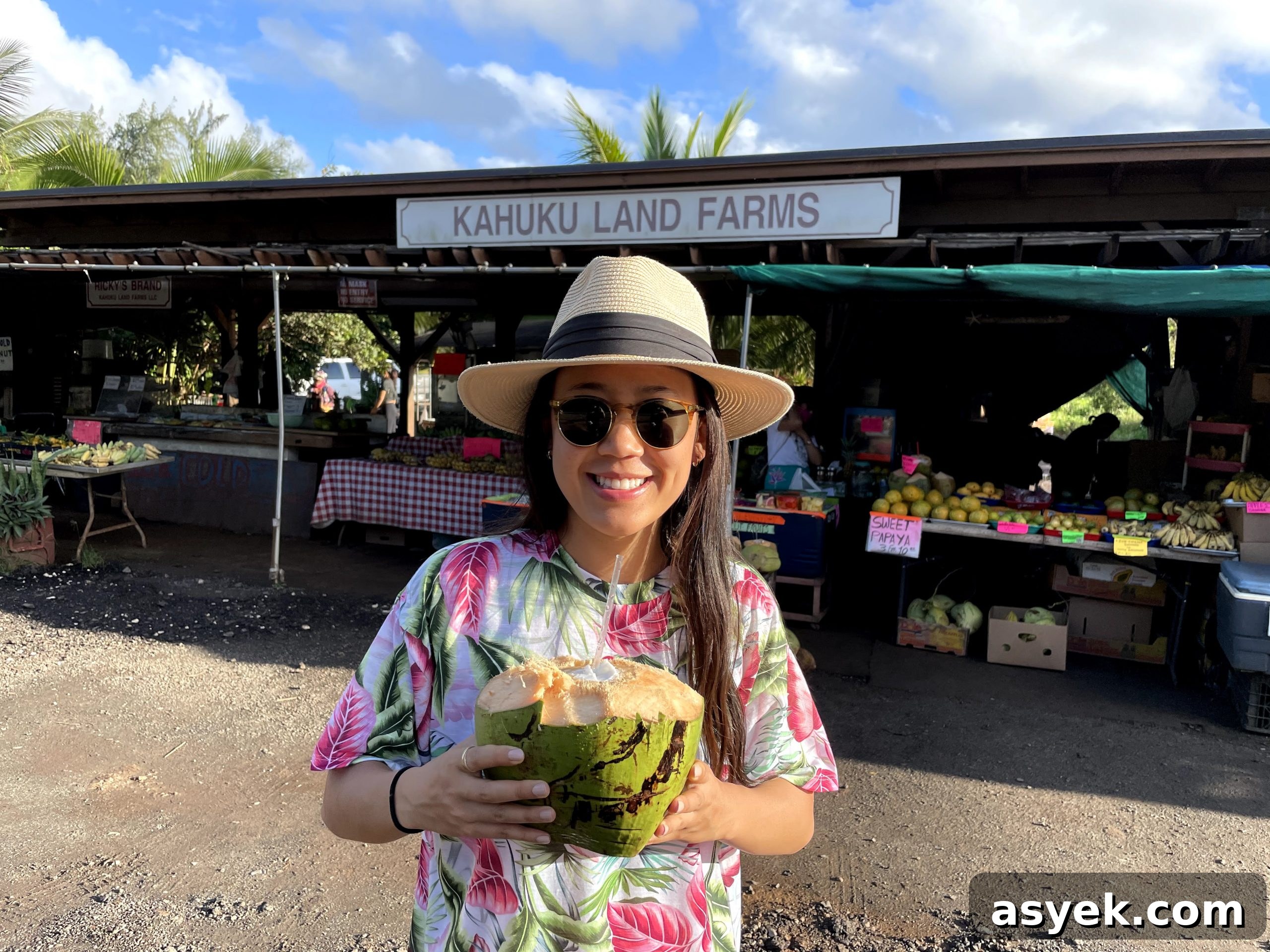
Family drinking coconut water at a roadside stand.
On a kayaking trip I found coconuts in a river inside a state park where maintenance crews had recently trimmed the trees. With limited tools in our rental condo, I managed to extract the water but not the meat. If you find young green coconuts on the roadside in Hawaii, try opening one for its water—it’s refreshing and nutrient-rich. Coconuts that have started to yellow but still feel heavy typically have less water and firmer, sweeter meat.
Later in Kauai, we visited CJM stables as the trailhead for a short hike. That day we discovered a sinkhole, a tortoise sanctuary, and several fallen coconuts along with an unfamiliar fruit. Back at the stables, the owner Jimmy showed us how to open coconuts without a machete and shared a recipe using the fruit we had found.
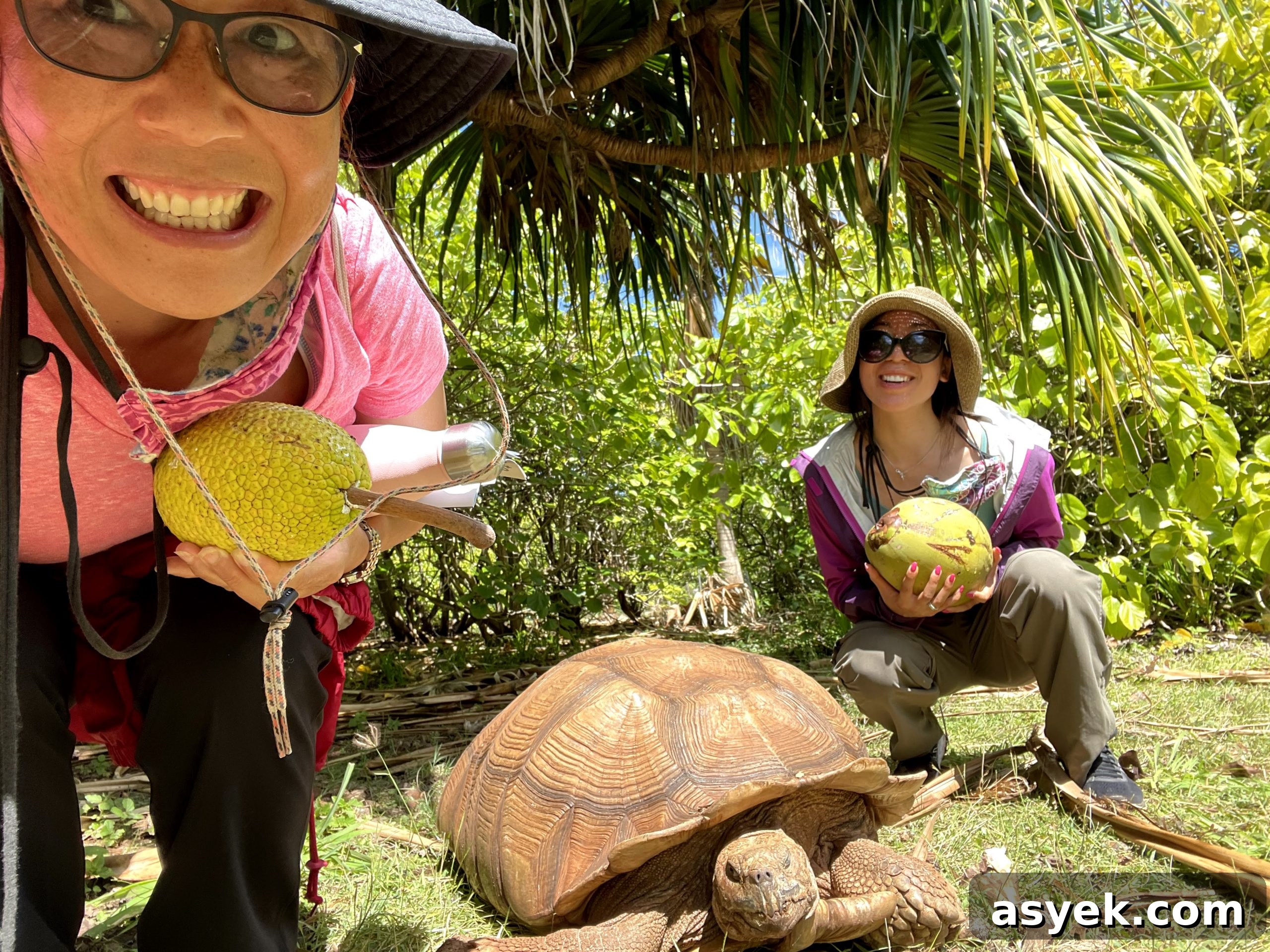
Finding coconuts and new fruit at the tortoise sanctuary.
Breadfruit.
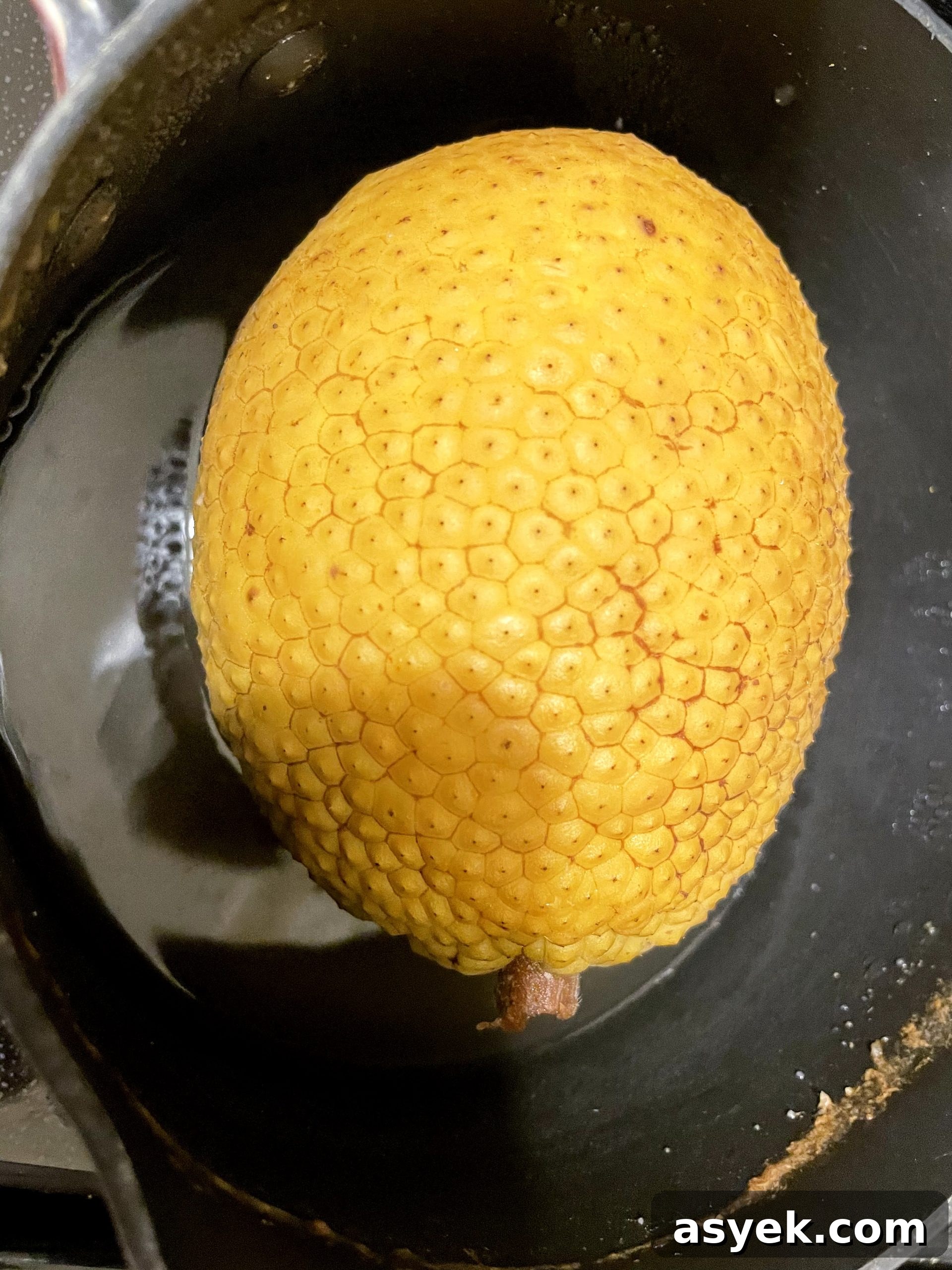
Jimmy identified the mysterious fruit as ulu, commonly known as breadfruit. In Polynesian cuisine, breadfruit is used as a starchy staple. We brought one back to our condo and prepared it the way Jimmy advised. The result was surprisingly satisfying: breadfruit has a potato-like consistency with a slightly fibrous center like an artichoke heart and a hint of sweetness.
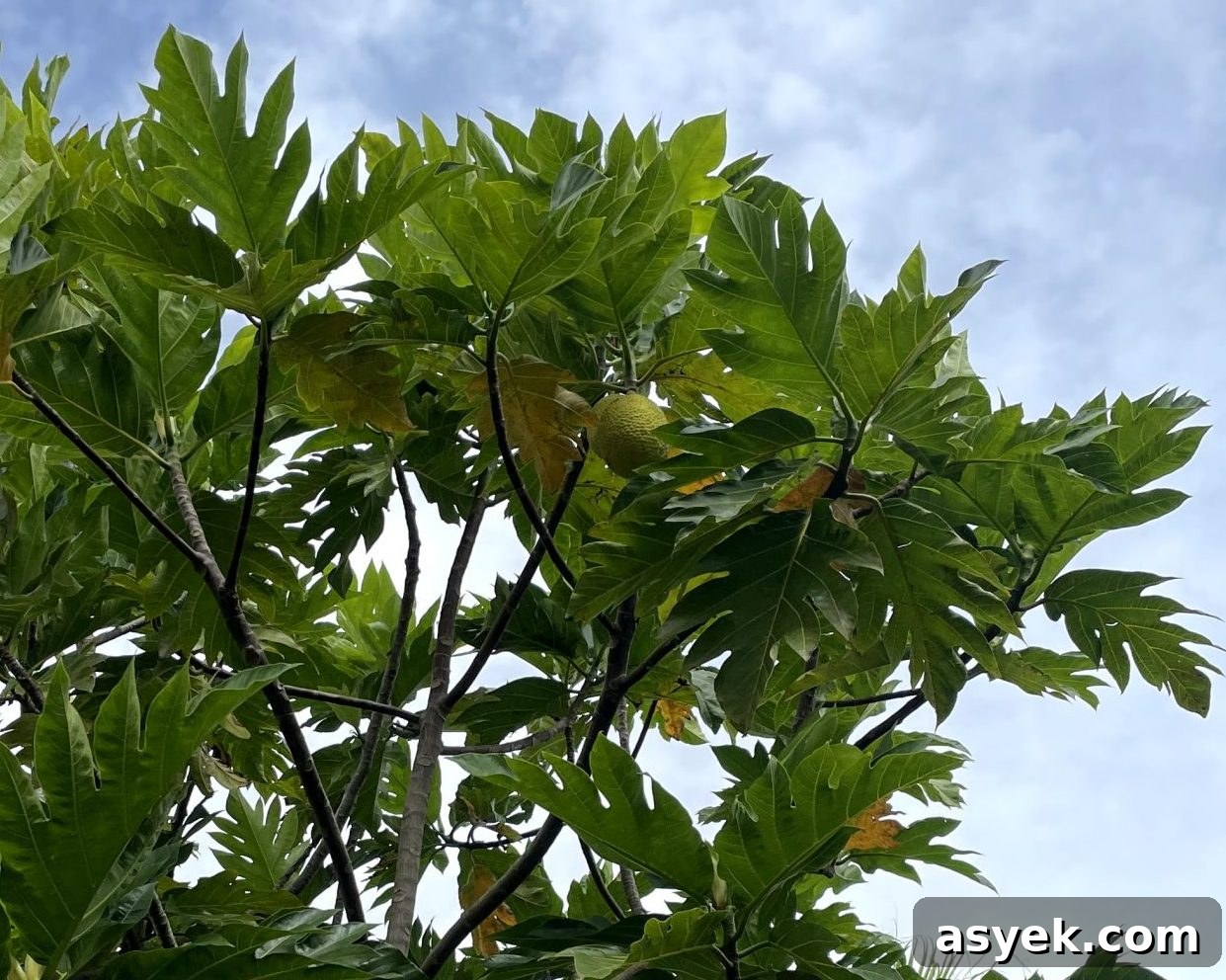
Breadfruit tree.
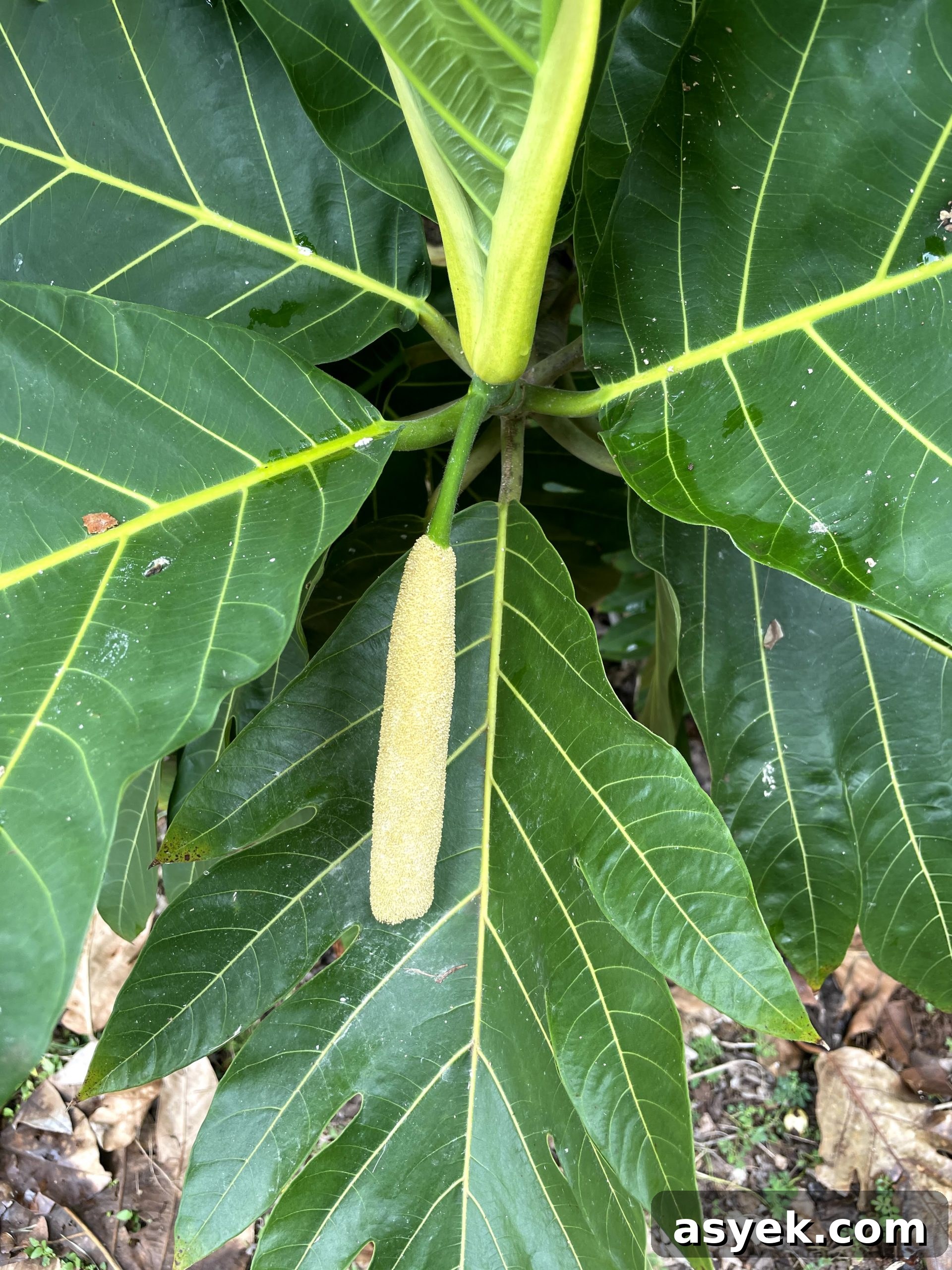
Budding breadfruit.
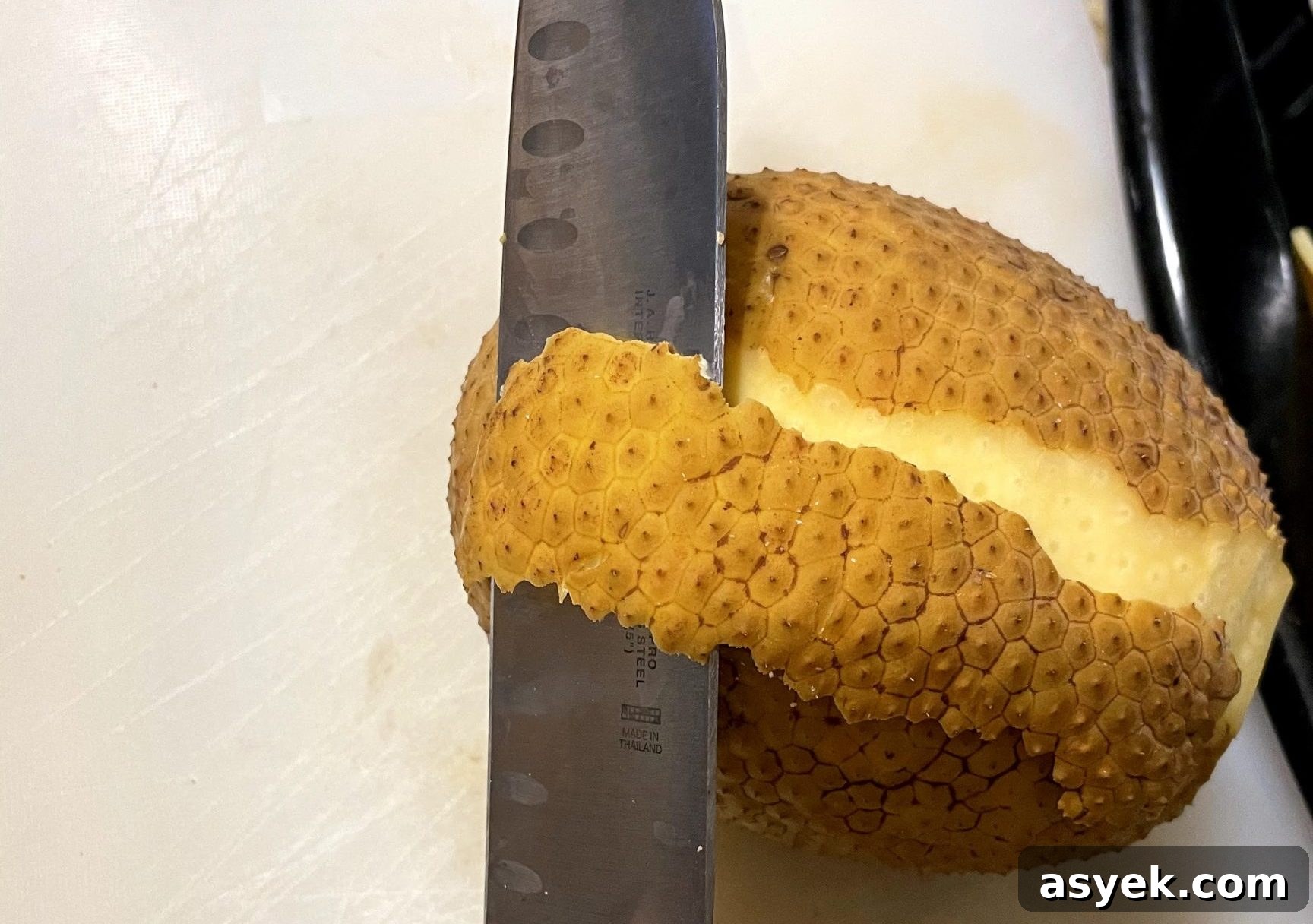
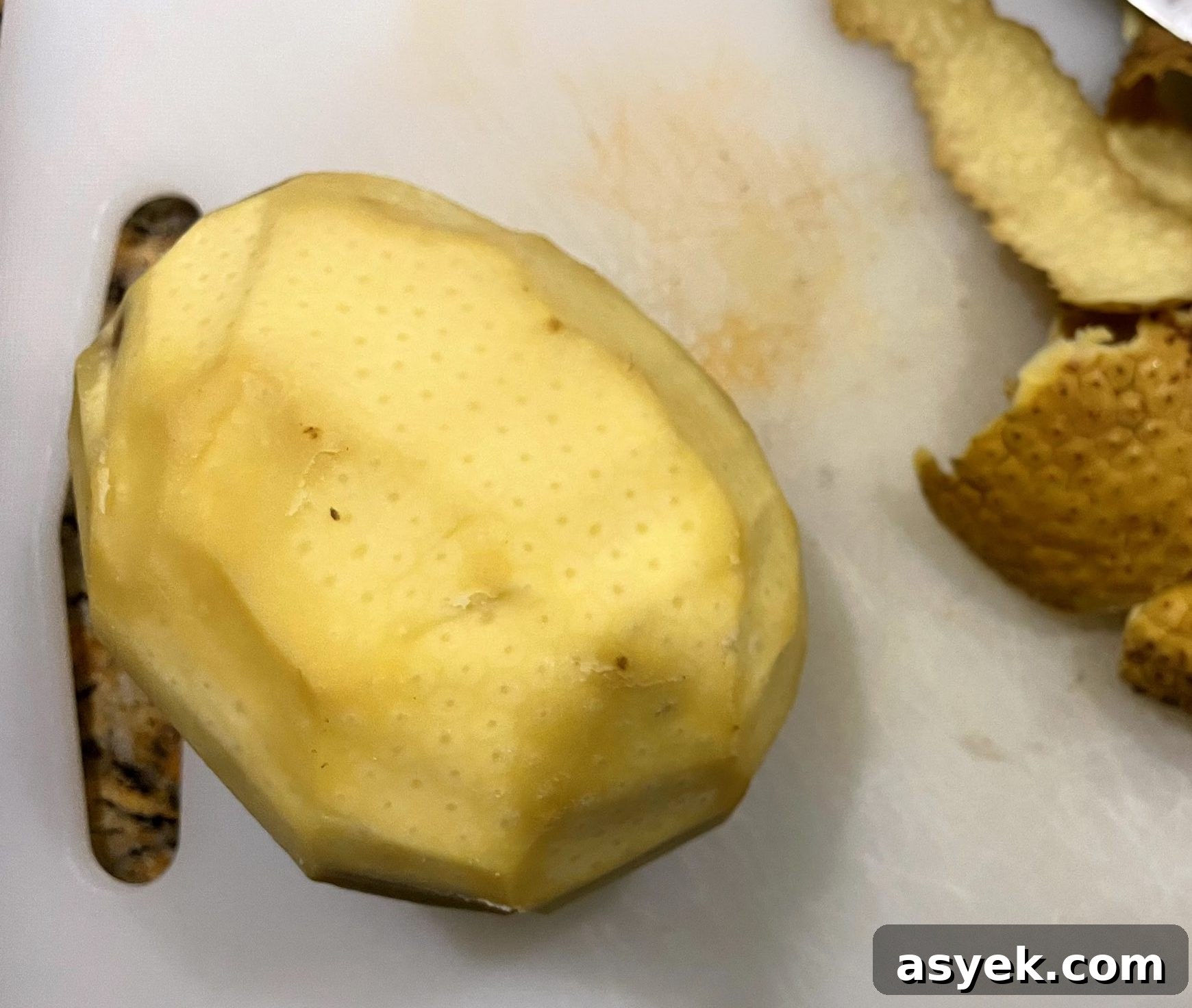
Raw breadfruit has a tough skin and can be green or yellow. When you find one on the ground, you might notice a white resin on the skin—this is normal. To make peeling easier, boil the breadfruit for at least 30 minutes, then use a paring knife to remove the skin and reveal the starchy interior.
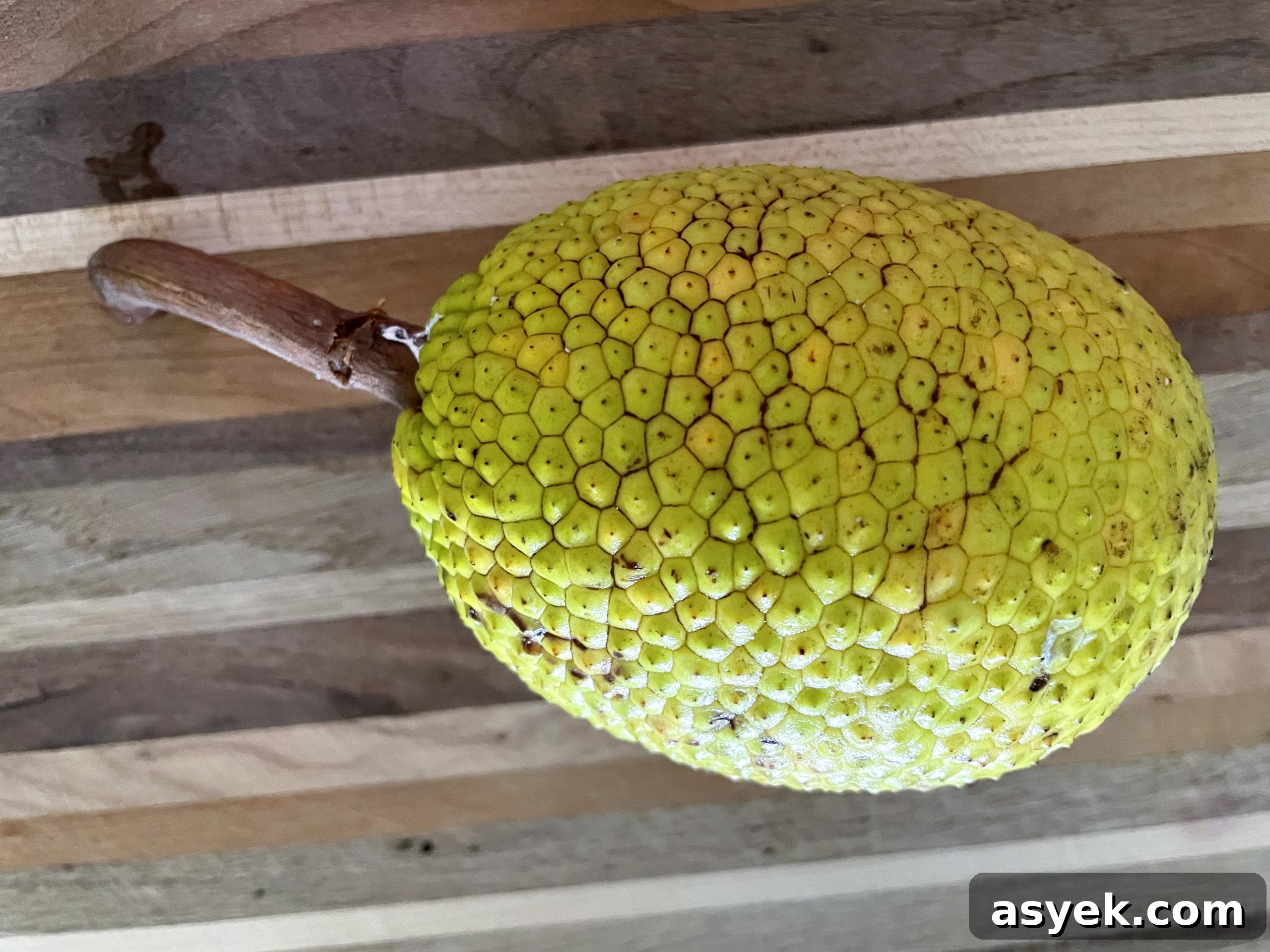
Raw breadfruit.
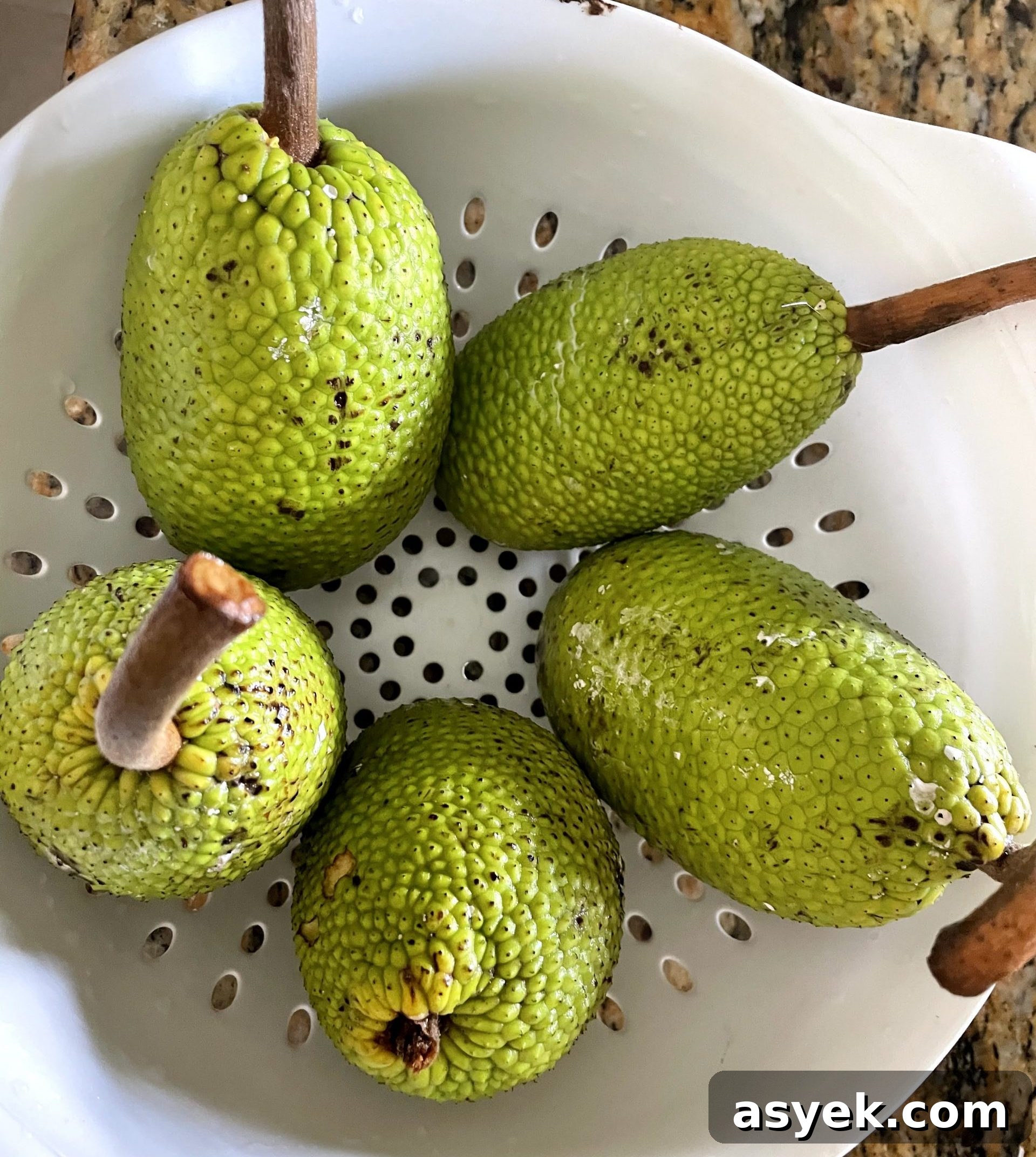
Green breadfruit.
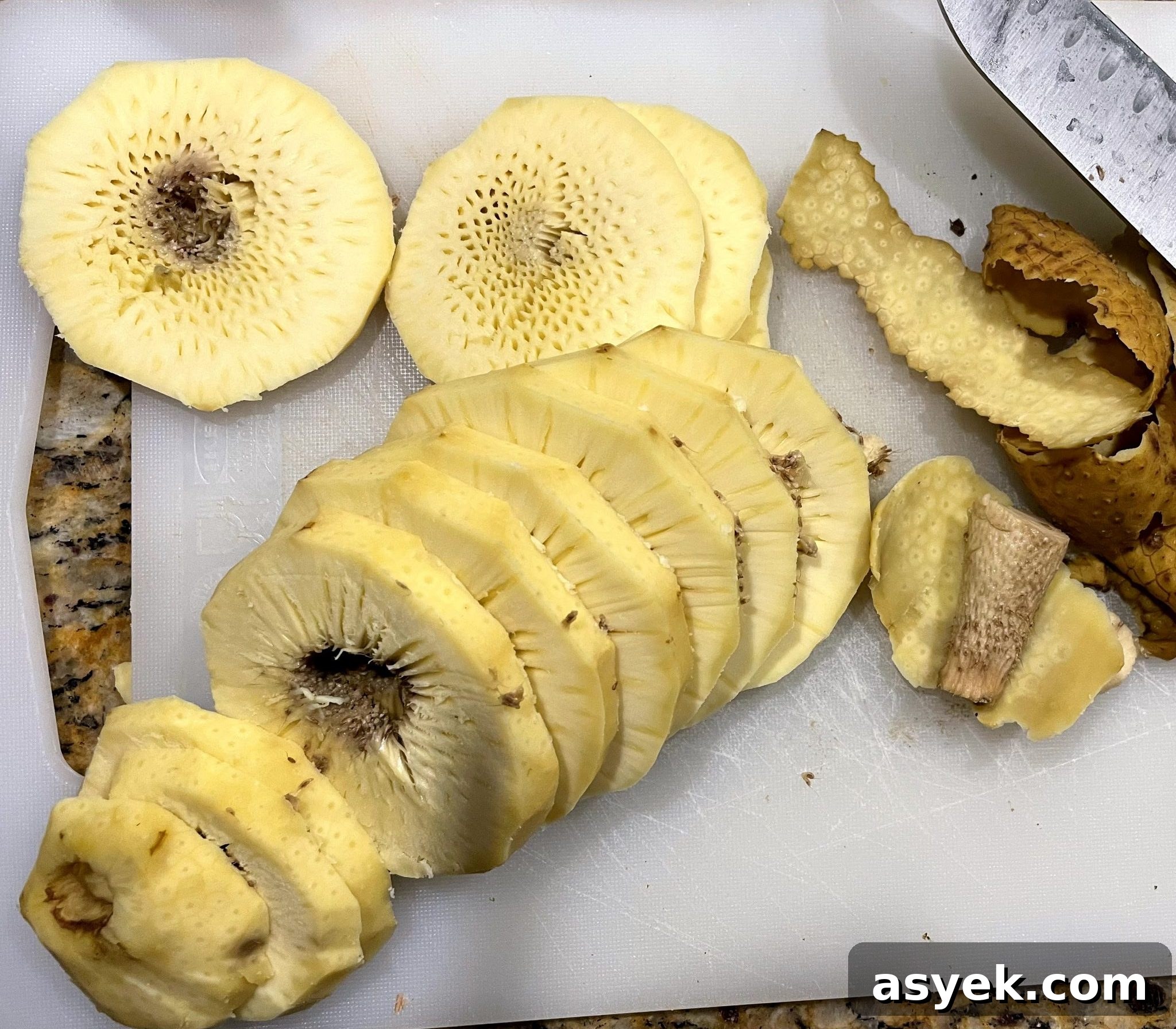
After boiling and peeling, slice the breadfruit. The slices resemble thick rings and have an inner core with a texture similar to an artichoke heart. I sautéed the slices in olive oil until they turned crisp and golden, then seasoned them with salt and pepper. The finished dish works beautifully as a potato substitute—crispy on the outside, tender inside, and subtly sweet.
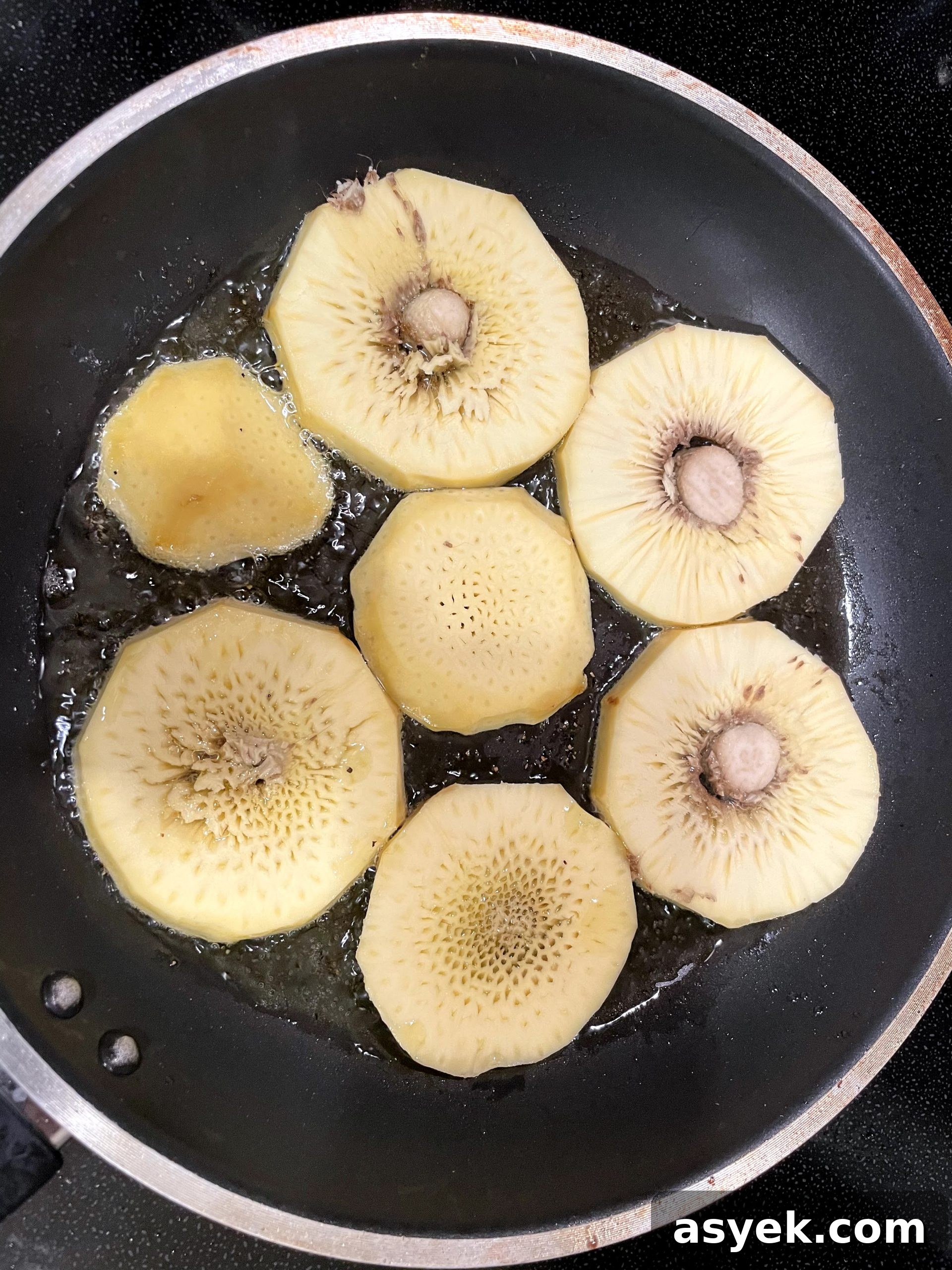
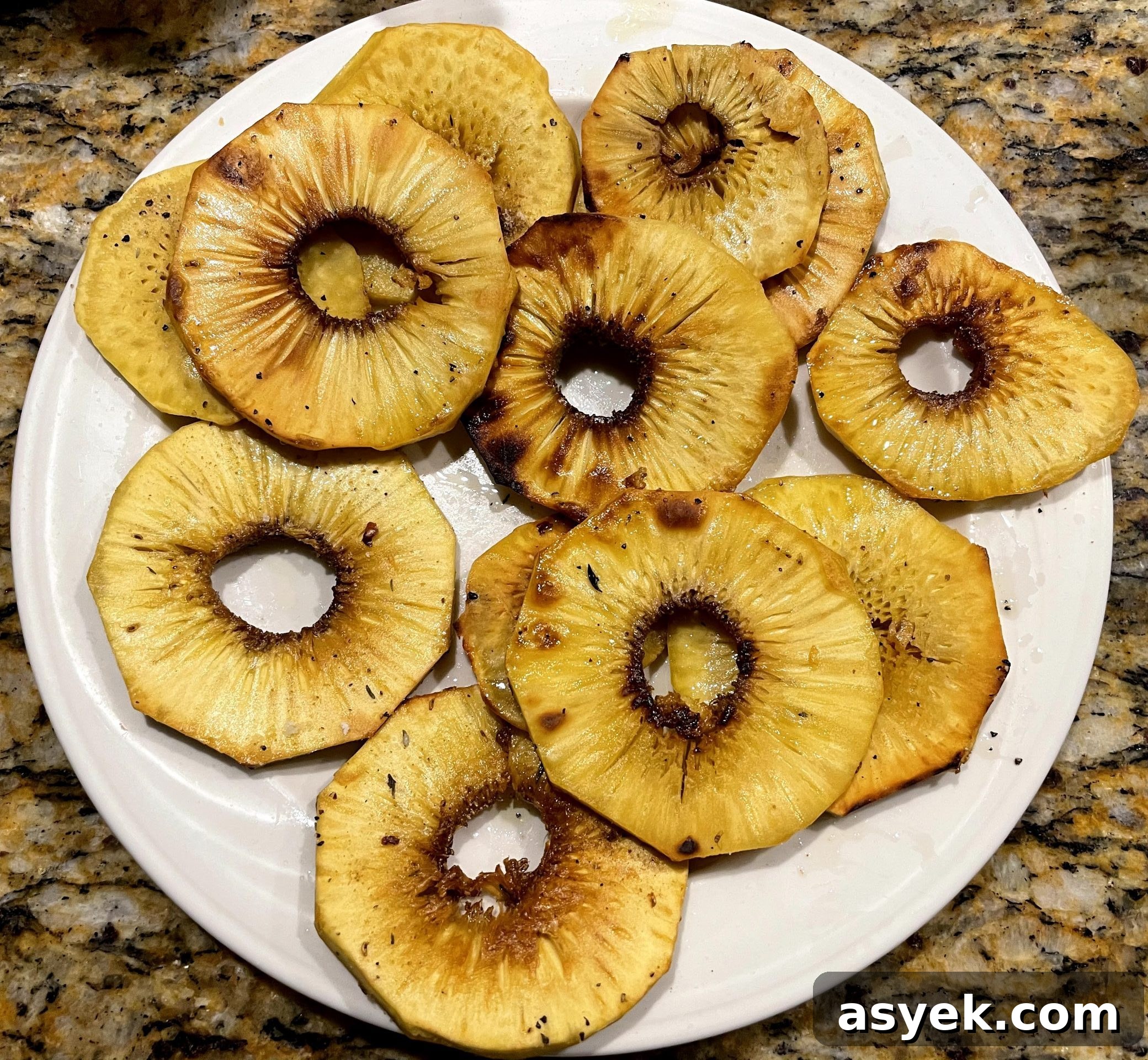
Sauteed breadfruit.
Sweets!
While in Oahu we met the owner of Maleko Coffee and Pastries. We bonded over recipes and local baked goods. He told us about malasadas and mochi donuts—two island favorites. Mochi donuts are made with rice flour, giving them a chewy, slightly different texture than wheat-based donuts. Malasadas were introduced to Hawaii by Portuguese immigrants who worked on the plantations. Traditionally dusted with sugar, modern malasadas are often filled with custards or fruit curds. My favorite was the lilikoi (passion fruit) filled malasada—best eaten fresh and warm.
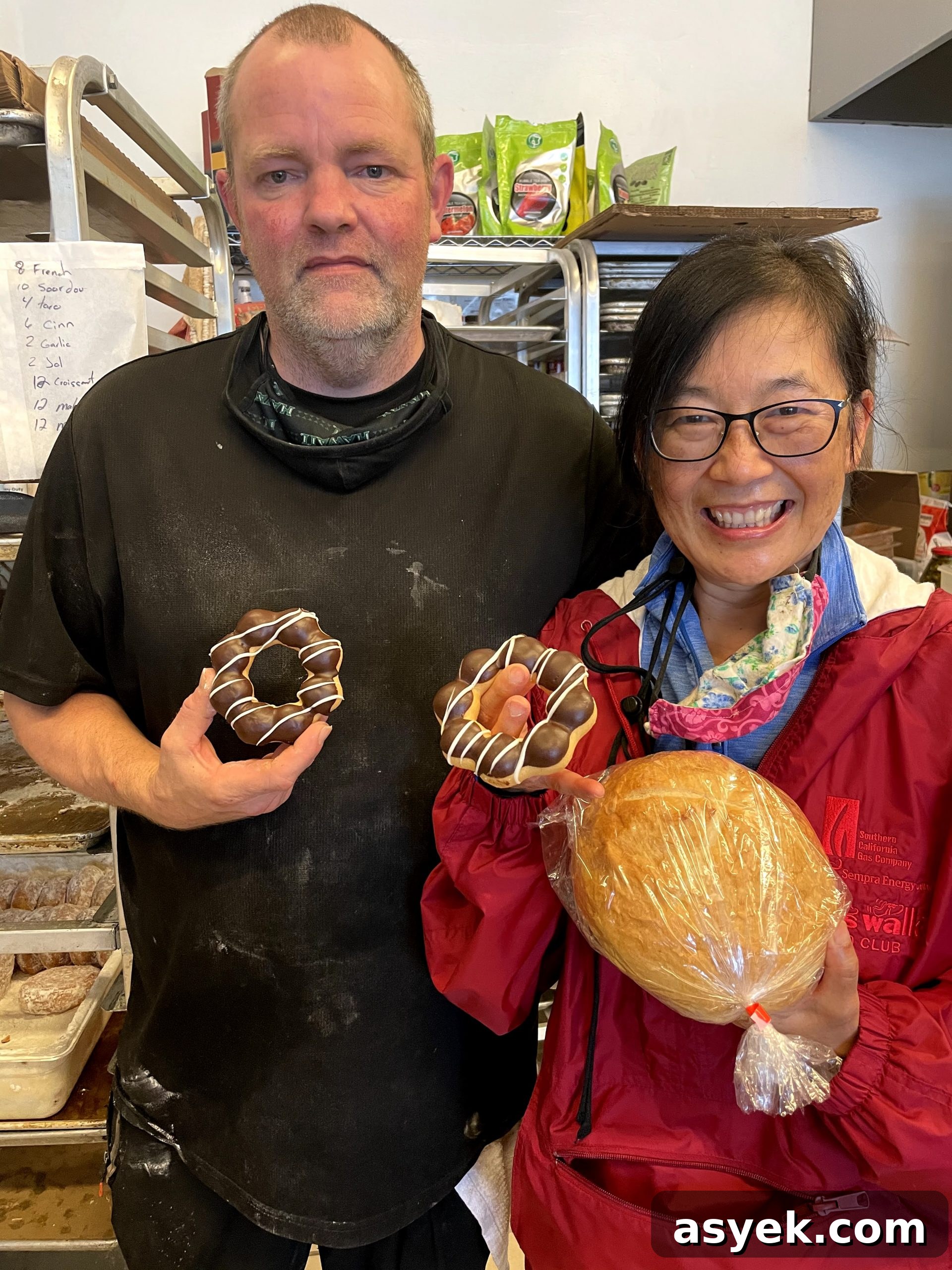
Maleko and I with a mochi donut and his sourdough-style bread.
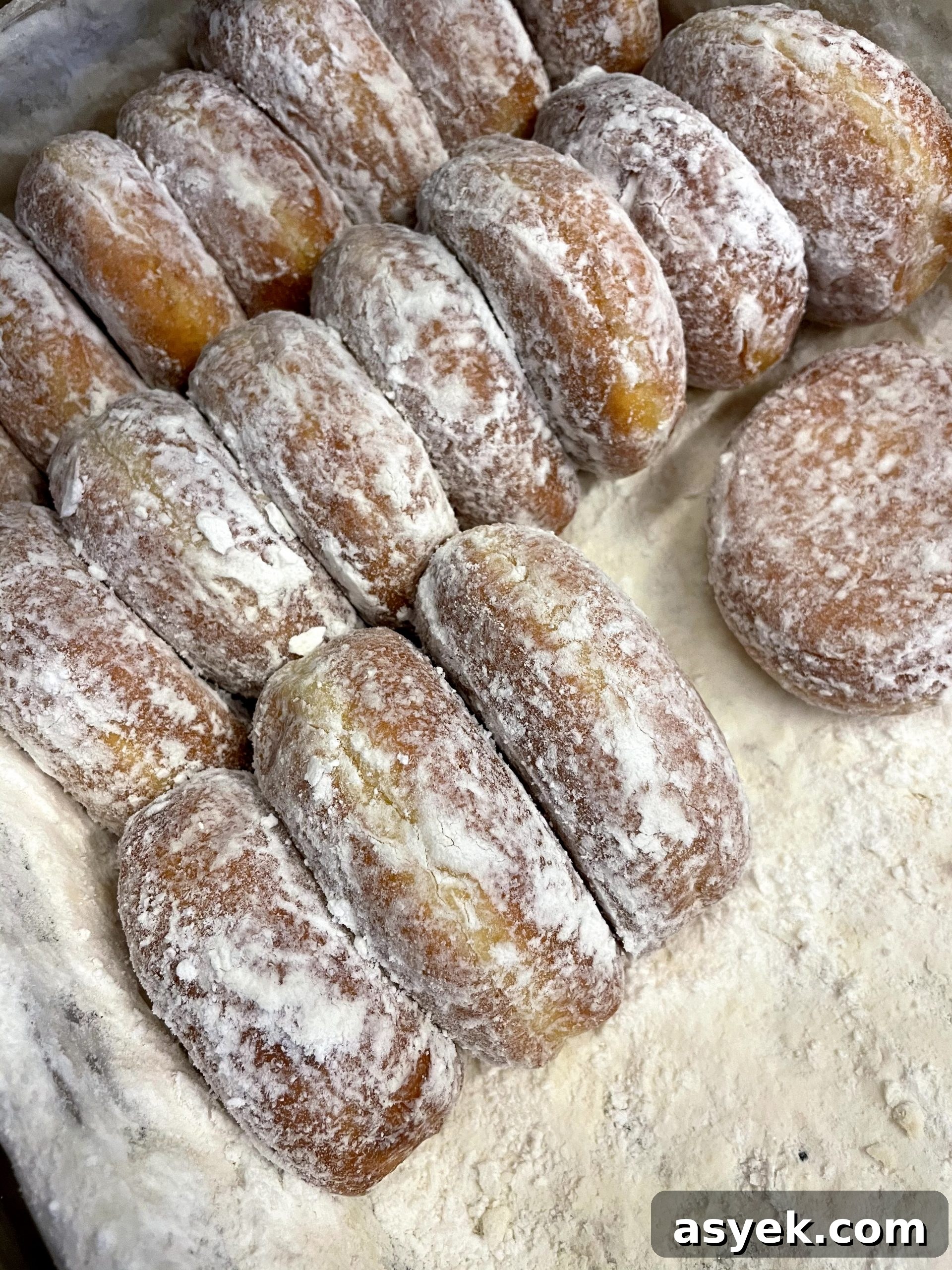
Maleko’s Malasadas
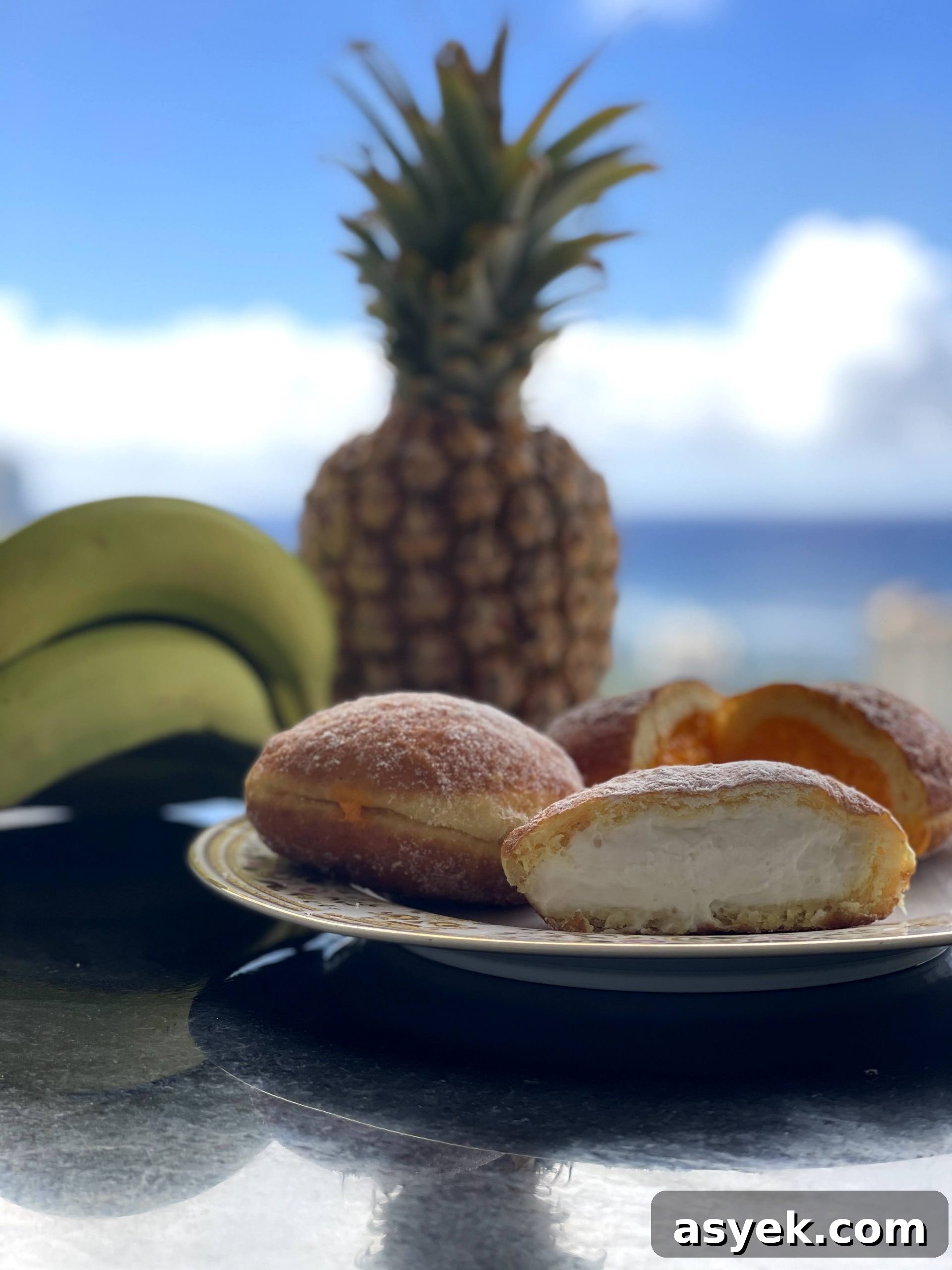
Coconut cream and lilikoi (passion fruit) malasadas.
Overall, the trip was a wonderful blend of family time, outdoor adventures, and memorable meals. From poke counters to roadside coconuts, breadfruit discoveries, and fresh pastries, Hawaii’s food culture is an essential part of its charm. If you visit, seek out local markets, try fresh island produce, and don’t miss the chance to sample authentic Hawaiian flavors.