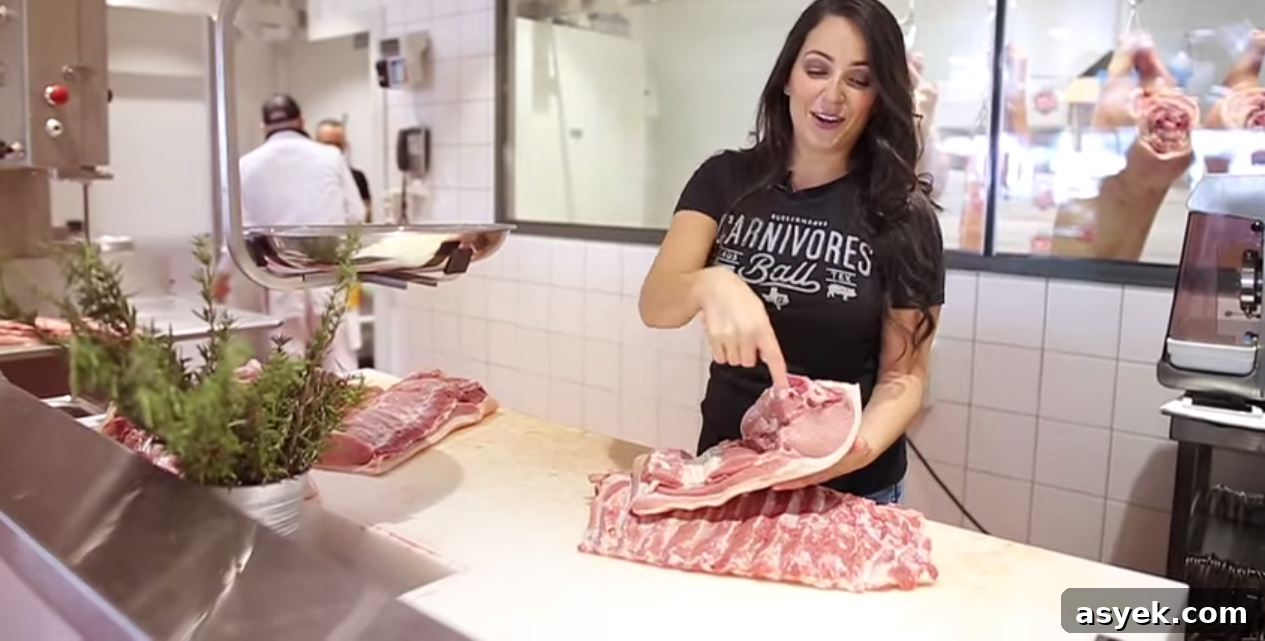
Do you know your St Louis from your Baby Backs?
This article accompanies a short video produced for the Australasian Barbecue Alliance and explains, in plain terms, where pork ribs come from and how the common retail cuts are created. You’ll read clear descriptions of Baby Back, Spare and St. Louis ribs, learn how each cut is trimmed, and pick up practical cooking tips shared by some of the best chefs and pitmasters Down Under. There’s also a brief explanation about why Australian bacon production can make it harder to find large, meaty rack cuts in local markets.
Pork ribs are all taken from the rib section of the hog, but not every rack is the same. Baby Back ribs — sometimes called loin back ribs — come from the upper portion of the rib cage, where the ribs meet the spine. They are generally shorter, more curved and leaner than other rib cuts, and their proximity to the loin gives them a tender texture. Spare ribs come from the lower belly portion of the rib cage; they are longer, flatter and usually meatier and fattier than baby backs. St. Louis style ribs are a trimmed version of spare ribs: the sternum bone, cartilage and rib tips are removed to create a more uniform, rectangular rack that is easier to cook evenly and present on the plate.
Knowing how each cut is trimmed helps when buying or preparing ribs. A well-trimmed St. Louis rack will have a neat, consistent shape with a good layer of meat across the bones; spare ribs left untrimmed include the rib tips and may be irregular in size; baby backs are typically shorter and show a pronounced curve. When you shop, ask the butcher how the rack was cut and whether membranes have been removed from the bone side — removing the silverskin membrane improves tenderness and allows sauces and rubs to penetrate more effectively.
Cooking approach varies by cut, but a few principles apply across the board. Low-and-slow heat is the classic method for rendering fat and breaking down connective tissue: maintain a gentle temperature and allow time for the meat to become tender without drying out. Indirect heat on a smoker or grill, or an oven set to a moderate temperature, will do the job. Use a dry rub of salt, pepper and spices to build flavor; apply sauces toward the end of cooking to avoid burning. Rest the ribs a short time after cooking so juices redistribute. For those who like a crisp exterior, a brief finish over higher heat will caramelize sugars in the rub or glaze without overcooking the interior.
Pitmasters Down Under also recommend paying attention to internal texture rather than strictly to time. Test for doneness by checking that the meat has pulled back slightly from the bone and that a flexible “bend” develops when the rack is lifted. If you prefer fall-off-the-bone ribs, cook a bit longer at lower heat; if you prefer a bit of chew and bite, aim for an internal texture that still clings slightly to the bones.
Australia’s pork-processing practices help explain why some racks in local stores look different from those found elsewhere. A sizable portion of domestic pork production is used for bacon and other sliced products, which can influence how primal cuts are butchered and sold. That focus can reduce the number of large, meaty whole racks available at retail, so it’s worth developing a relationship with a butcher who will set aside or custom-cut ribs for you. Requesting specific trims — for example, asking for a St. Louis style trim or for membrane removal — can significantly improve the cooking result.
The video that complements this article demonstrates the cuts and trimming techniques discussed here and includes practical cooking tips from well-regarded Australian and New Zealand cooks. If you’d like to see the visual breakdown of where each rack comes from and how trimming improves yield and cookability, search for the video title on popular video platforms to view the demonstration.
Whether you’re buying Baby Backs for a quick, tender cook or trimming a Spare rack down to classic St. Louis style for a competition-style presentation, understanding the anatomy and handling of pork ribs will help you choose, prepare and cook with confidence. Start with a clear cut, apply a thoughtful rub, use low-and-slow heat, and finish to taste — those steps will take you a long way toward great ribs every time.