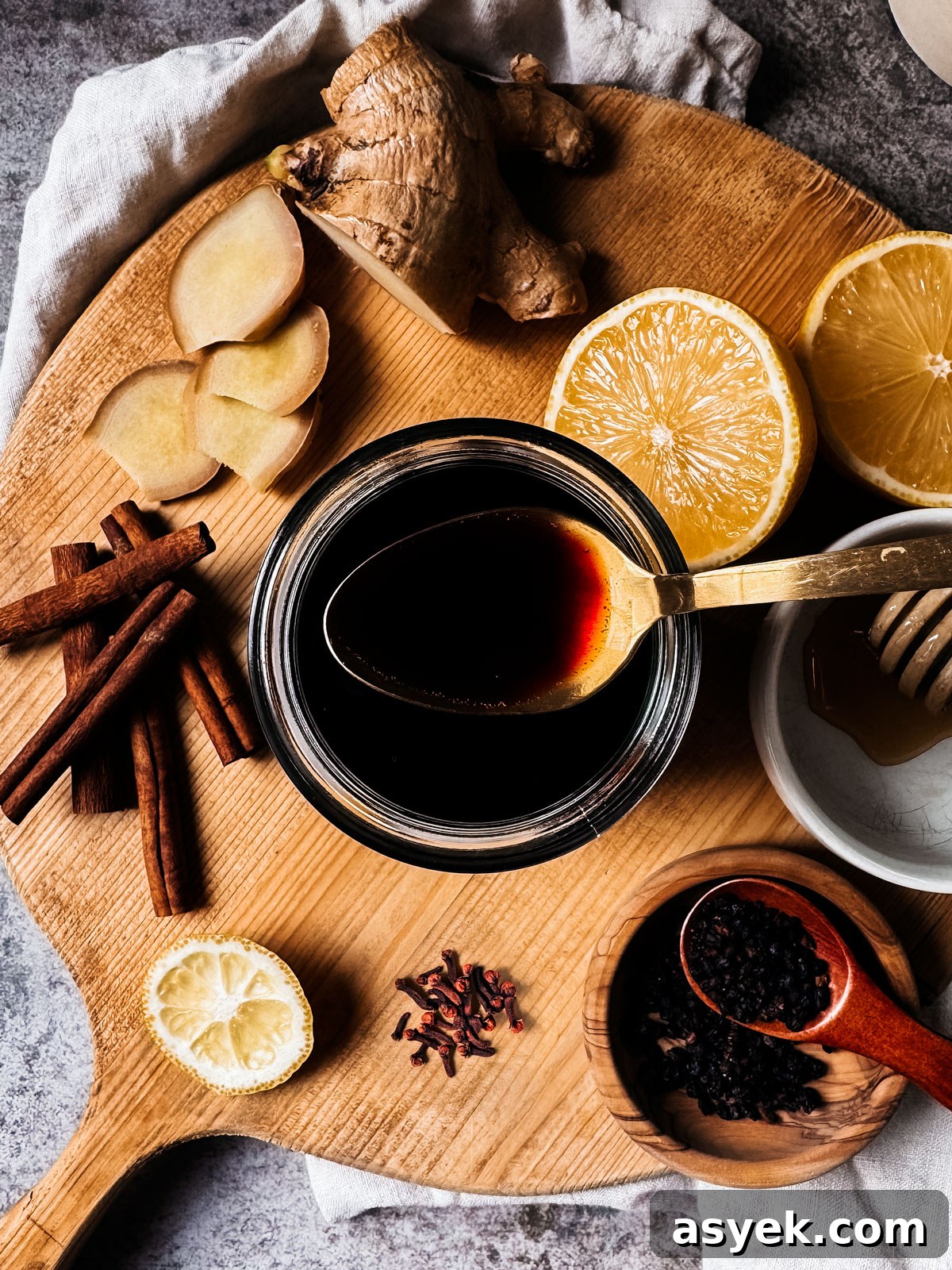
Elderberry syrup is a long-standing home remedy prized for its immune-supporting properties. Rich in antioxidants and phytochemicals, it’s commonly used to help shorten and ease cold and flu symptoms and can also support general wellness. Beyond its health uses, this syrup adds a bright, tart sweetness to drinks and desserts—try it in tea, cocktails, or drizzled over pancakes and ice cream.
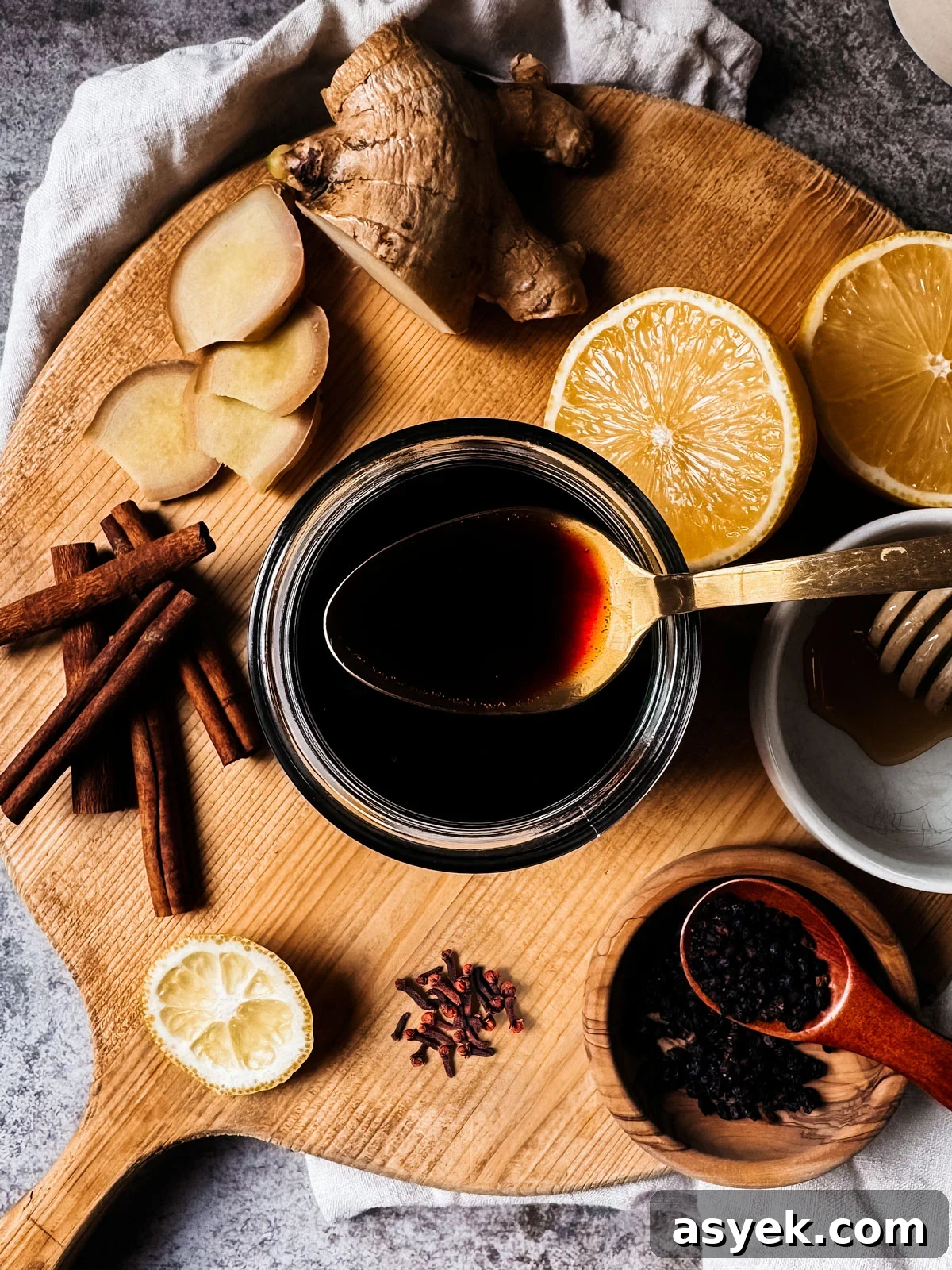
If you enjoy other simple wellness recipes such as turmeric-ginger shots, you’ll likely appreciate this straightforward elderberry syrup. Elderberry has a long history of traditional use and is widely available as dried berries or supplements. When prepared properly, elderberry syrup is a convenient, tasty way to add antioxidants and polyphenols to your routine.
Ways to Use Elderberry Syrup
- Take 1–2 tablespoons daily during cold and flu season for extra immune support.
- Stir a spoonful into warm water or tea for a soothing, tart drink.
- Add to smoothies or swirl into yogurt for flavor and a nutrient boost.
- Use as a natural sweetener in sauces, jams, or fruit compotes.
- Shake into cocktails or mocktails for a fruity, tangy note.
- Drizzle over pancakes, waffles, or ice cream as a flavorful topping.
Table of Contents
- Ways to Use Elderberry Syrup
- What Makes Elderberry So Good for You?
- Elderberry in Ancient Medicine
- Modern Studies With Elderberry
- Ingredients for Elderberry Syrup
- Important Cooking Notes
- How to Make Elderberry Syrup: Step-By-Step
- Sterilizing Methods
- How to Store Elderberry Syrup
- Frequently Asked Questions
- Easy Elderberry Syrup Recipe
- More Recipes for Cold & Flu Season
What Makes Elderberry So Good for You?
- High in vitamin C, which supports immune function.
- Rich in fiber, contributing to gut health and digestion.
- Contains phenolic acids and flavonols, antioxidants that help reduce oxidative stress.
- Contains anthocyanins, pigments that give elderberries their deep color and are linked with anti-inflammatory effects.
Elderberry In Ancient Medicine
Elderberry has been used in traditional medicine across cultures for centuries. Indigenous communities and folk traditions in Europe and beyond have relied on elderberries for treating fevers, assisting wound healing, and supporting general health. These historical practices helped establish elderberry’s reputation as a reliable botanical remedy.
Modern Studies With Elderberry
Contemporary research is growing. Some clinical studies suggest that elderberry preparations can reduce the duration and severity of influenza-like symptoms in otherwise healthy adults. While more large-scale trials are needed to confirm the full extent of elderberry’s benefits, current evidence and traditional use both support its potential usefulness as part of seasonal wellness routines.
Ingredients for Elderberry Syrup
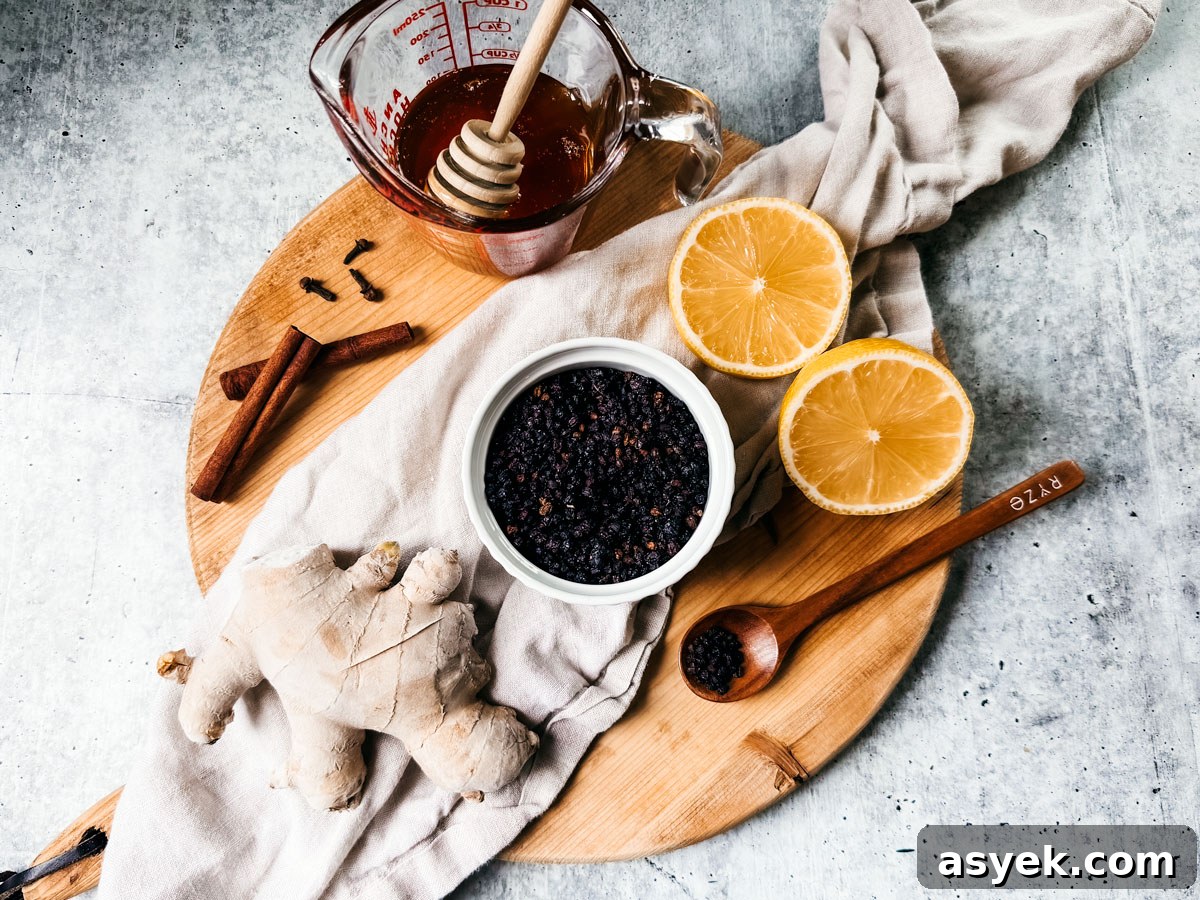
- Dried elderberries — convenient and easy to find; they’re cleaner and more shelf-stable than fresh berries.
- Raw unfiltered honey — sweetens the syrup and contributes antioxidants; add after cooling to preserve enzymes.
- Ginger root — supports digestion and adds warming flavor.
- Cinnamon and cloves — provide depth of flavor and additional antioxidant compounds.
- Lemon juice — brightens flavor and helps lower pH for better shelf stability; add after cooling.
Important Cooking Notes
- Use a sterilized jar: Clean, sterilized containers help prevent spoilage and extend the syrup’s shelf life.
- Thoroughly cook the berries: Simmer at least 30 minutes. Raw elderberries, leaves, bark, and roots can contain compounds that cause gastrointestinal upset; cooking deactivates these substances.
- Only add honey once cooled: Heat can degrade honey’s beneficial enzymes and antioxidants, so stir it in at room temperature.
- Add lemon juice at the end: Citrus is best when added after the syrup has cooled to preserve freshness and nutrients.
How to Make Elderberry Syrup: Step-By-Step
Step 1: Sterilize your jar. Clean and sterilize a large glass jar and lid before filling. This reduces the risk of contamination and helps the syrup last longer.
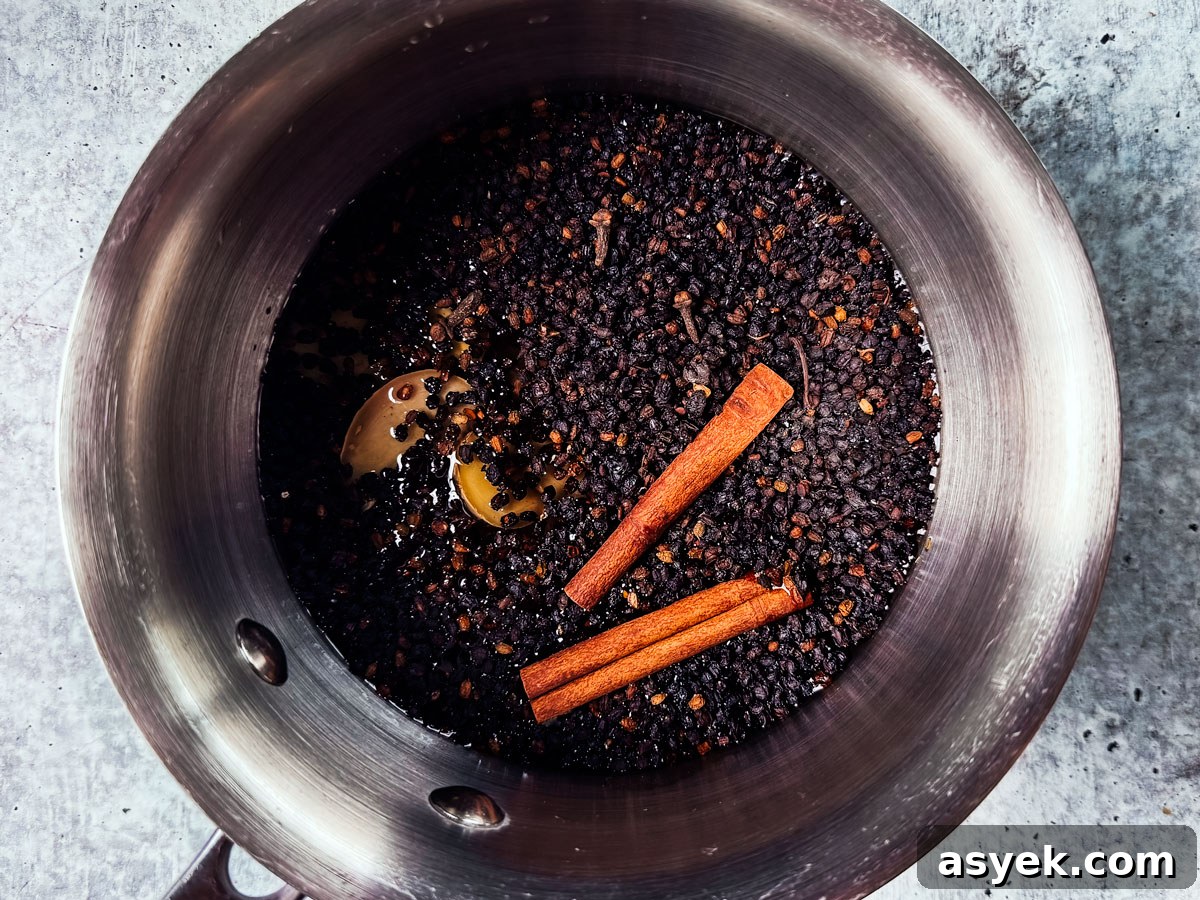
Step 2: Simmer the ingredients. Place 1/2 cup dried elderberries in a saucepan with sliced ginger, cinnamon sticks, and cloves. Add 2 cups filtered water and bring to a rolling boil. Reduce heat and simmer for at least 30 minutes, uncovered, stirring occasionally.
Step 3: Strain the syrup. Pour the cooked mixture through a fine sieve or cheesecloth into a bowl, pressing the solids gently to extract all the liquid. Discard the solids.
Step 4: Cool then sweeten. Let the liquid cool to room temperature (about 20–30 minutes). Once cool, whisk in 1/3 cup raw honey and 1 tablespoon fresh lemon juice until blended.
Step 5: Bottle and store. Use a funnel to transfer the syrup into the sterilized jar, seal tightly, and refrigerate.
Sterilizing Methods
Boiling Water Method:
- Wash jars and lids in hot, soapy water and rinse well.
- Place jars upright on a rack in a large pot or canner and cover with water by at least one inch.
- Bring water to a rolling boil and boil for 10 minutes at sea level; increase time slightly at higher elevations.
- Keep jars in hot water until ready to fill.
Dishwasher Method:
If your dishwasher has a sanitize cycle that reaches sufficiently high temperatures, it can be used to sanitize jars. Always follow current food-safety guidance for canning and jar sanitation.
How to Store Elderberry Syrup
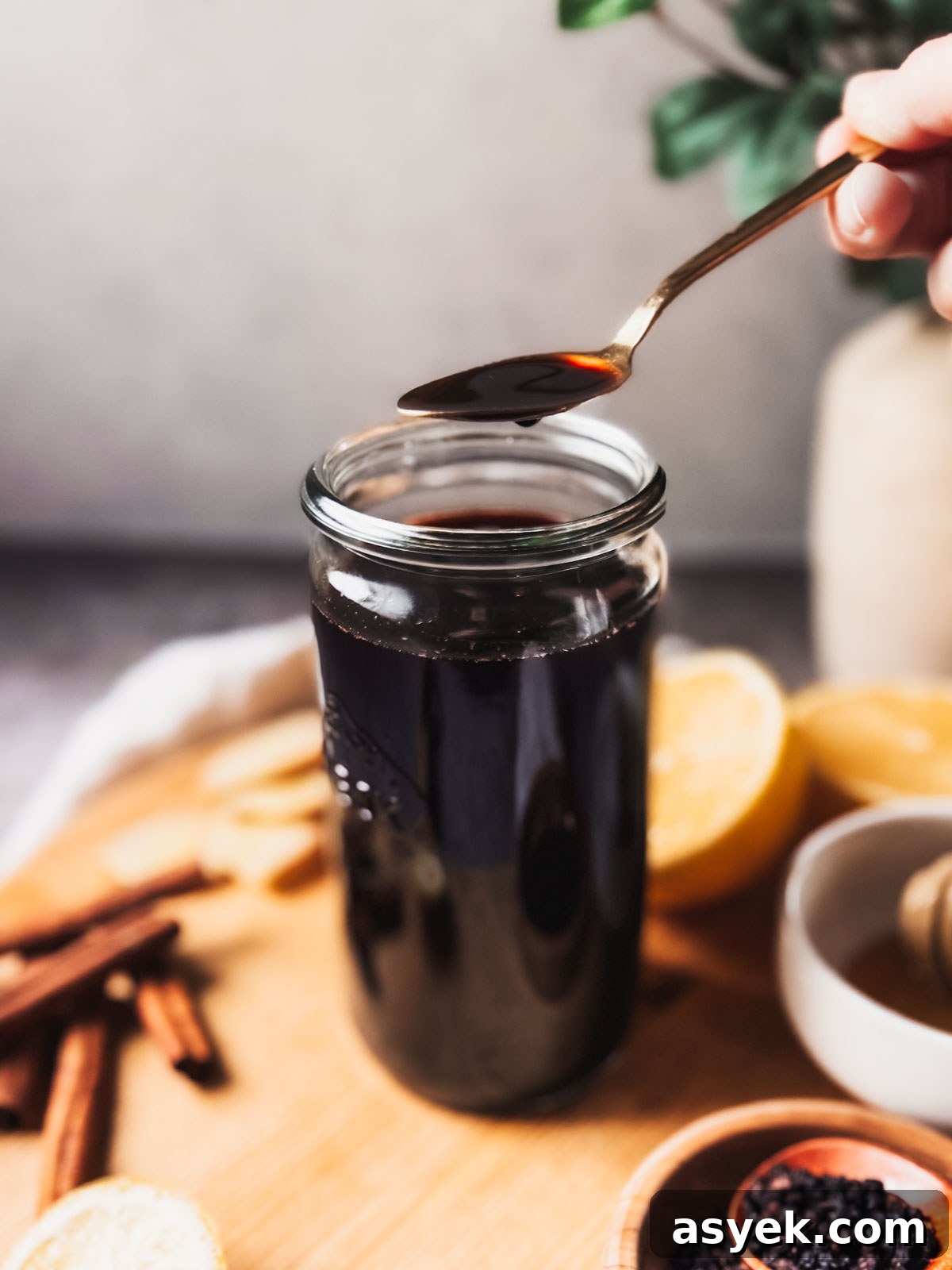
- Refrigerator: Keep in a clean, airtight glass jar for 2–3 months. Discard if you see mold, off odors, or any fermentation (fizzing).
- Freezer: Pour cooled syrup into ice cube trays for single servings. Once frozen, transfer cubes to a freezer-safe bag; frozen syrup can keep for several months.
Frequently Asked Questions
If you are on immunosuppressant medications, taking certain diuretics, or are pregnant or breastfeeding, check with a healthcare professional before using elderberry. Its effects on the immune system and interactions with medications are not fully established for these groups.
Cook dried elderberries by simmering for at least 30 minutes. Proper heat treatment neutralizes naturally occurring compounds that can cause digestive upset.
Some small trials and clinical studies suggest elderberry extracts may reduce symptom severity and shorten illness duration. Results vary, and elderberry should be considered one supportive option rather than a substitute for medical care when needed.
Easy Elderberry Syrup Recipe
Ingredients
- 1/2 cup dried elderberries
- 2 cups filtered water
- 2 cinnamon sticks (or 1 teaspoon ground cinnamon)
- 1 1-inch piece fresh ginger, thinly sliced
- 4 whole cloves
- 1/3 cup raw unfiltered honey (added after cooling)
- 1 tablespoon fresh lemon juice (added after cooling)
Equipment
- 1 saucepan
- 1 sieve or fine strainer
- 1 mixing bowl
- 1 sterilized glass jar with airtight lid
Instructions
- Sterilize your jar using one of the methods above.
- Combine elderberries, ginger, cinnamon, cloves, and water in a saucepan. Bring to a boil, then simmer for at least 30 minutes.
- Strain the mixture into a bowl, pressing the solids to extract liquid. Discard solids.
- Allow the liquid to cool to room temperature (20–30 minutes).
- Stir in the honey and lemon juice until fully combined.
- Transfer to the sterilized jar and store in the refrigerator for up to 2–3 months.
Notes
Always discard the syrup if you notice mold, sour smell, or bubbling that indicates fermentation. When in doubt about interactions with medications or specific health conditions, consult a healthcare provider.
Nutrition (approx. per 1 tablespoon)
Calories: 14 | Carbohydrates: 4 g | Sugar: 3 g
More Recipes for Cold & Flu Season…
Soups
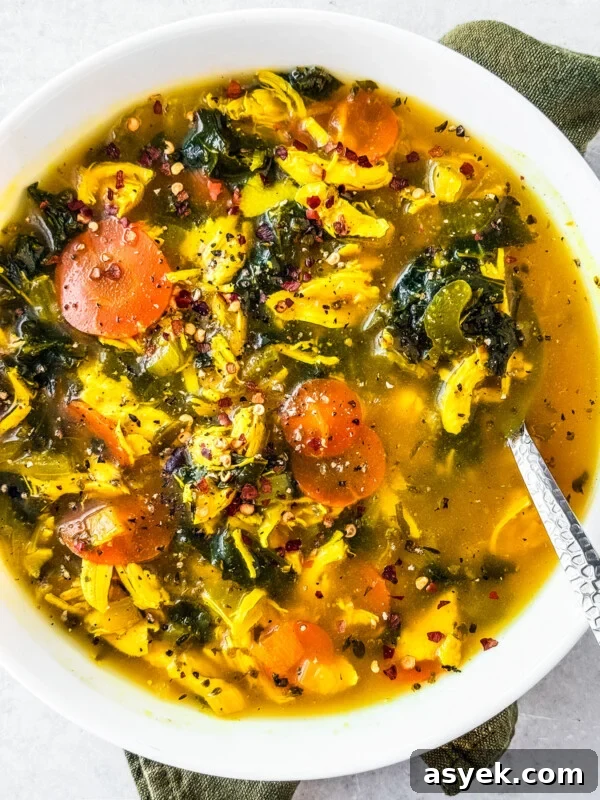
Ginger Chicken Soup With Turmeric
Drinks
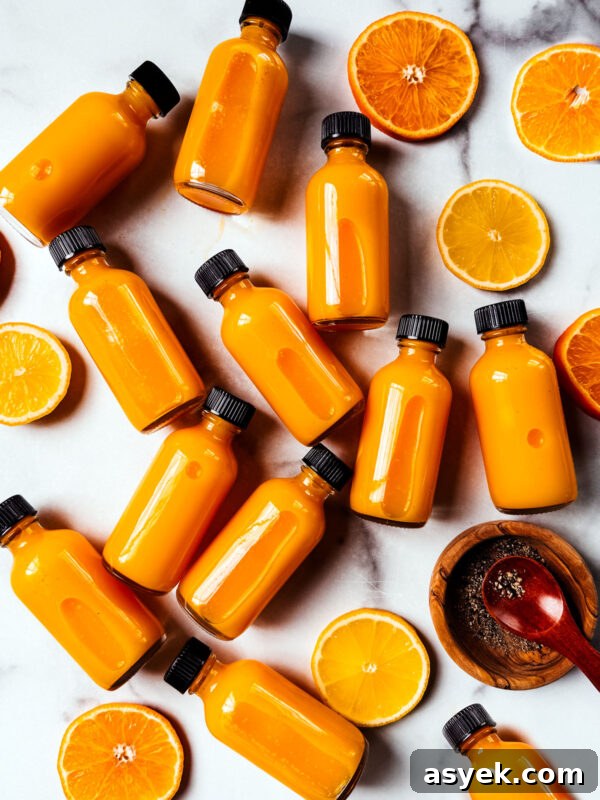
Turmeric Ginger Shots (Wellness Shots)
Soups