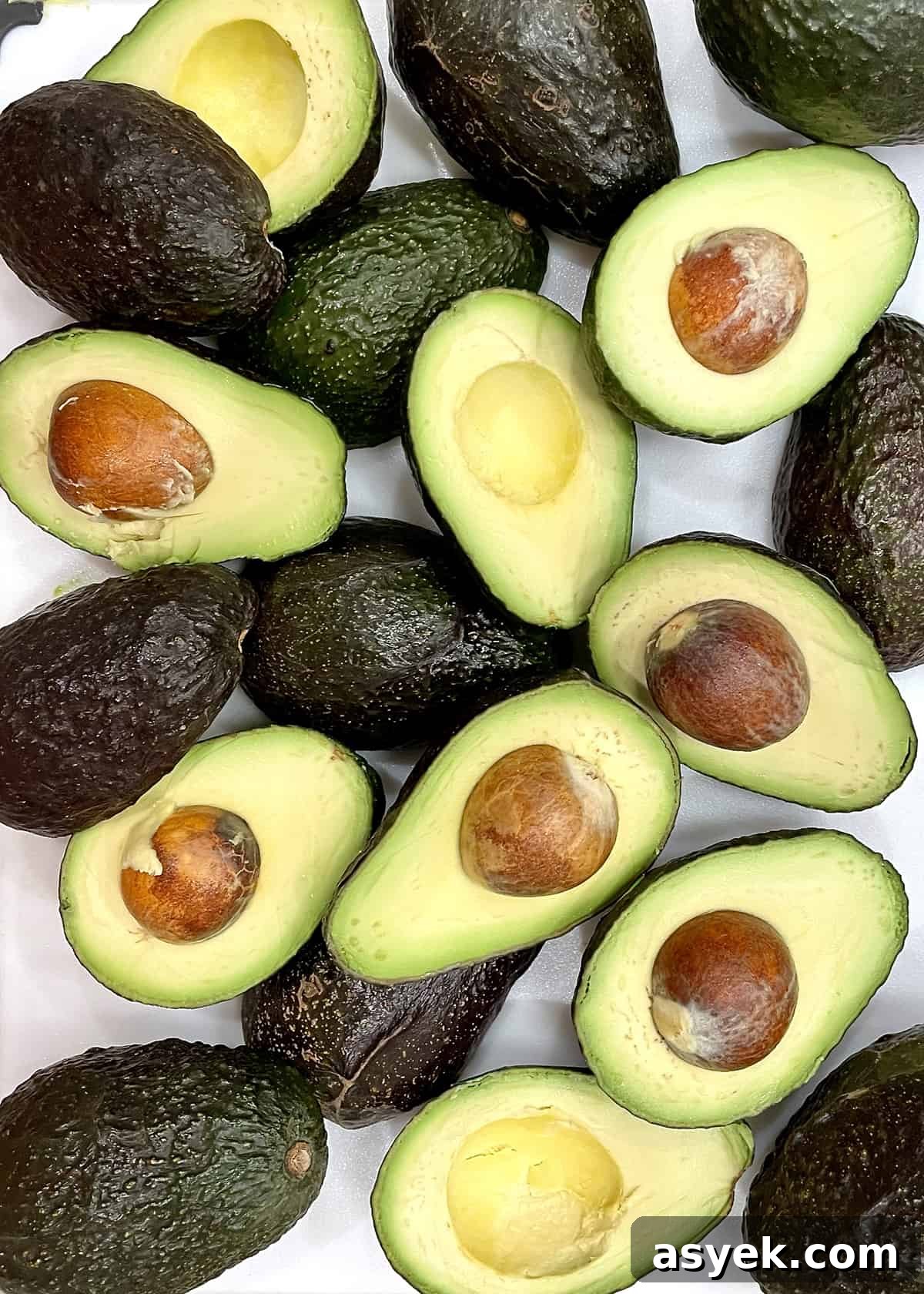
Time-tested tips for choosing, ripening, and storing avocados so you get the best flavor and texture from this creamy, versatile fruit.
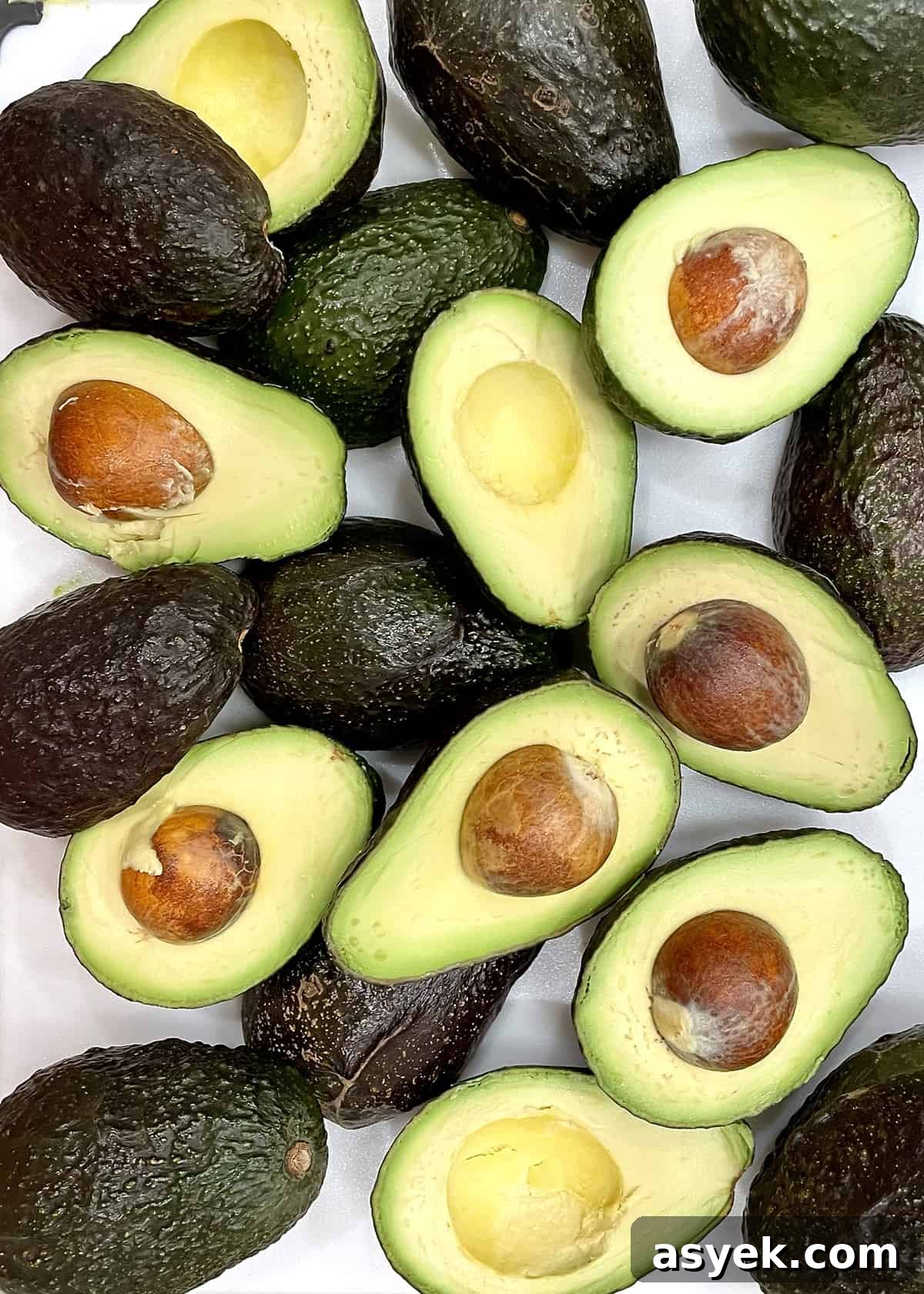
Tips and Tricks
This Tips & Tricks collection is designed to help you succeed in the kitchen with simple, practical advice. Below you’ll find clear guidance on picking the right avocado, speeding up ripening when you need it, and keeping avocados fresh so you waste less and enjoy better results in salads, toast, guacamole, and more.
How to Tell if an Avocado is Ripe
Avocados vary by variety, but a few reliable checks will help you choose one that’s ready to eat or one that will ripen on your timeline. Use these simple sensory tests before you buy or prepare an avocado:
- Feel: Gently squeeze the avocado in the palm of your hand. A ripe avocado yields to gentle pressure without feeling mushy. If it’s rock hard, it needs more time. If it feels very soft and leaves an indentation, it’s likely overripe.
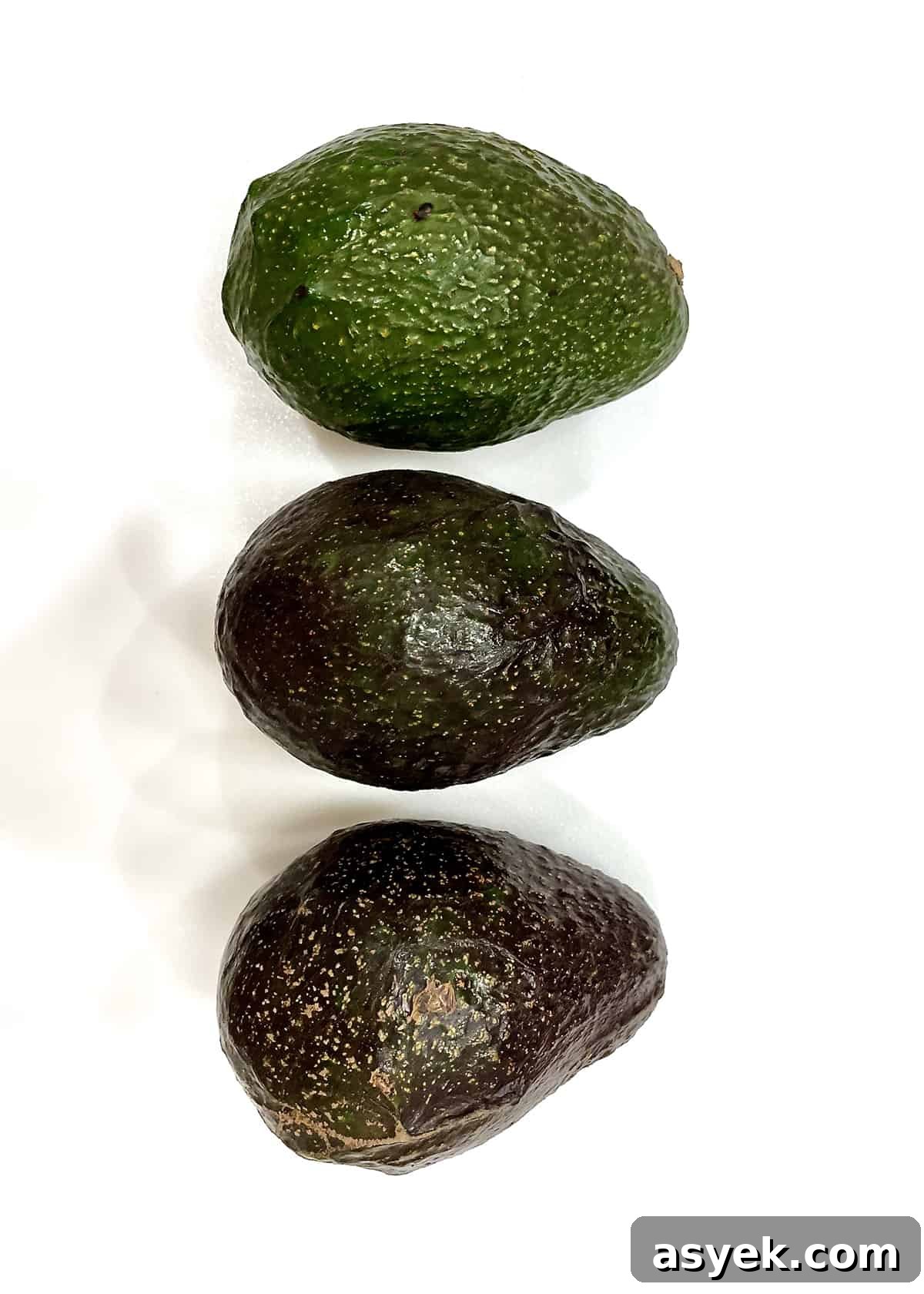
- Color and variety: Many Hass avocados darken as they ripen, but not all varieties change color dramatically. Dark, nearly black skin often indicates ripeness for Hass, while other types may stay green. Use touch as the primary guide, and treat color as a helpful secondary clue.
- Stem test: Flick or gently remove the small stem cap at the top. If the flesh beneath is green, the avocado is ripe. If it’s brown, the fruit may be overripe; if the stem won’t come off or the exposed area is hard, the avocado needs more time.
More Tips and Tricks
- Make Buttermilk in a Pinch: Quick substitutions can save a recipe—use cultured dairy or a simple acid-and-milk substitute when needed.
- Salt Types and Uses: Kosher, table, and sea salt have different textures and salting power—pick the one that suits your recipe and seasoning style.
- Reheating Pizza: For crisp results, reheat slices in a skillet or oven rather than the microwave.
How to Store Ripe Avocados
Once an avocado reaches the ripeness you want, refrigerate it to slow further softening. Cold temperatures slow the ripening process, keeping a ripe avocado in good condition for several days longer than leaving it at room temperature. For cut avocados, keep the pit in the unused half if possible, press plastic wrap directly onto the exposed flesh, or store it in an airtight container with a squeeze of lemon or lime juice to reduce browning.
How to Ripen Avocados
If your avocado is still firm and you need it sooner, leave it on the counter at room temperature; many avocados will ripen in 2–3 days. To speed ripening, place the avocado in a brown paper bag with a ripe banana or apple. The ethylene gas produced by those fruits accelerates ripening and can reduce the time to 1–2 days.
When using the paper bag method, check the avocado daily—once it yields to gentle pressure, move it to the refrigerator to slow further ripening. If you accidentally let an avocado become overripe, you can often salvage parts that are not brown by cutting away surrendered sections; if the texture is watery or the taste off, it’s best to discard it.
Other practical storage tips: to store mashed avocado or guacamole, press a layer of plastic wrap directly onto the surface before sealing the container, or add a splash of citrus juice to help reduce surface browning. You can also freeze mashed avocado with a bit of lemon or lime juice in airtight containers for later use in dressings or spreads.
I hope these tips help you make the most of every avocado. If you try a technique and it works well for you, save it for future meals—avocados are easy to enjoy when you know how to choose, ripen, and store them properly.
xoxo,