Today’s class was the most intense so far. If you enjoy reading about pastry techniques, salads, and kitchen discipline, this will be a long but rewarding read. I’ll cover everything we made, the techniques we practiced, and a few tips the instructors shared.
We tackled a labor-intensive menu: homemade mayonnaise, macédoine de légumes (a diced vegetable salad bound with mayonnaise), a citrus salad with an orange vinaigrette, and strawberry tartlets built on pâte sucrée. The day was a deep dive into classical pastry and vegetable-cooking techniques taught in culinary school.
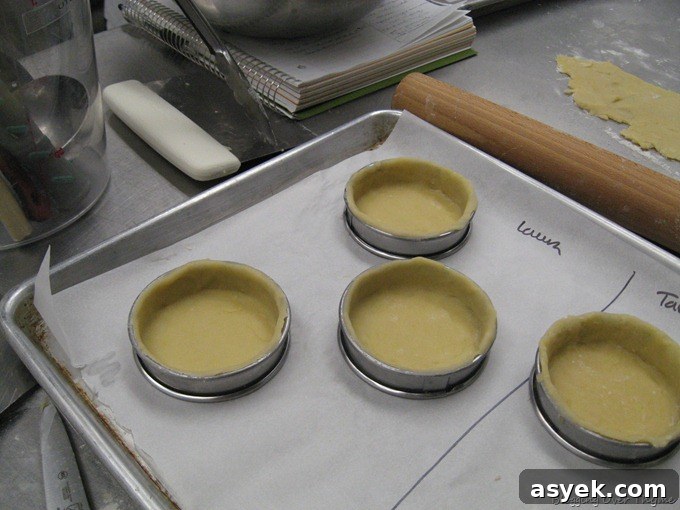
The lecture began with an introduction to PÂTE SUCRÉE, a classic sweet tart dough that has a shortbread-like texture. Unlike Pâte Brisée, which we learned earlier, pâte sucrée is richer and more delicate. The dough is made with flour, butter, lemon zest, sugar, vanilla, and whole egg.
We mixed the dough by hand to learn proper technique and texture without relying on mixers. Because pâte sucrée contains more butter, it is prone to cracking if handled too much; working quickly and chilling the dough in the refrigerator helps prevent this. After rolling it out and forming it into 3-inch tart molds, we docked the shells and blind-baked them with beans at 350°F. Although the dough can crack, it is easy to patch and shape when cold.
After the pâte sucrée demo, Chef Brian and assistant Ashley demonstrated the rest of the menu, which included:
LA SALADE DE CITRUS (Citrus Salad)
LA VINAIGRETTE À L’ORANGE (Orange Vinaigrette)
LA MACÉDOINE DE LÉGUMES (Vegetable Salad with Mayonnaise)
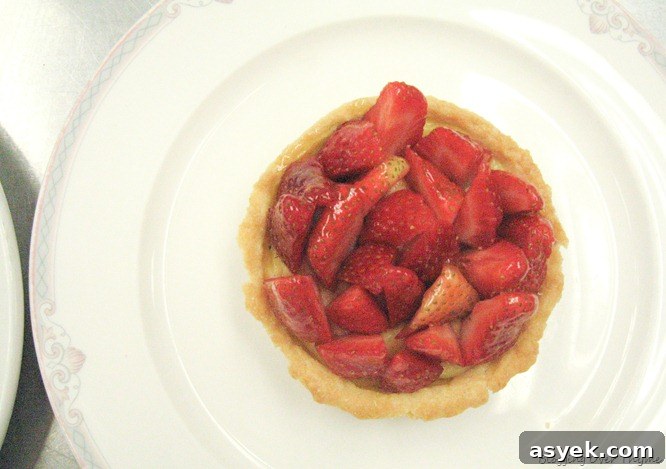
LA TARTELETTE AUX FRAISES (Strawberry Tart)
I’ll start with the macédoine. Although it sounds simple, it was time-consuming. Our macédoine consisted of carrots, turnip, potato, peas, and French green beans cut into a small dice (approximately 1/4-inch cubes), tossed with chopped parsley and homemade mayonnaise. Each portion was to be served in a hollowed tomato with sliced hard‑boiled eggs.
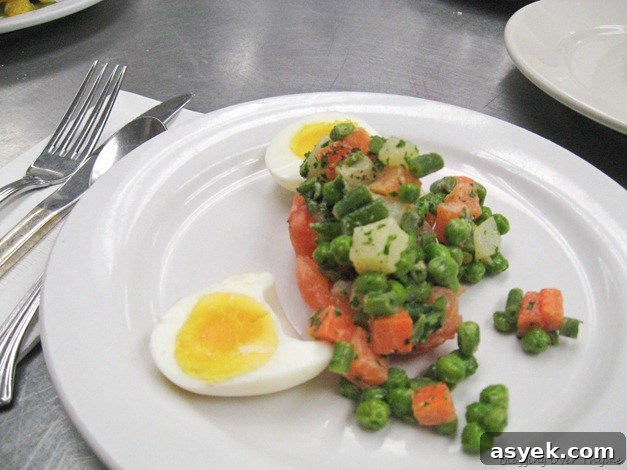
Because different vegetables cook at different rates, we were drilled to cook each vegetable separately—and to cook them ahead of time—so they would all have even texture in the salad. We also had an instructive demonstration with haricots verts (green beans): the chef presented three batches—undercooked, cooked to his preference, and cooked to the school director’s preference—to emphasize that even a slight crunch can be considered underdone in a professional kitchen.
We learned which vegetables should be added to boiling water and which should be started in cold water and brought to a boil. Green vegetables like asparagus, peas, and green beans go into vigorously boiling water to preserve color and texture. Root vegetables such as turnips, potatoes, and carrots are best started in cold water and brought to a boil so they cook evenly without the exterior breaking down. Always salt the cooking water generously to season and help maintain color. After cooking, vegetables are shocked in an ice bath to stop cooking, then dried on a towel-lined tray.
The school’s method for perfect hard‑boiled eggs is straightforward: add room‑temperature eggs to vigorously boiling water for exactly 12 minutes, then transfer to an ice bath before peeling. According to the instructors, this technique scales well from a single egg to many dozen and produces consistent results.
We also made homemade mayonnaise using egg yolk, Dijon mustard, canola oil, and lemon juice. Emulsification transforms these few ingredients into a rich, silky sauce. I’m not usually a mayonnaise fan, but the homemade version tasted markedly fresher and more vibrant than store-bought.
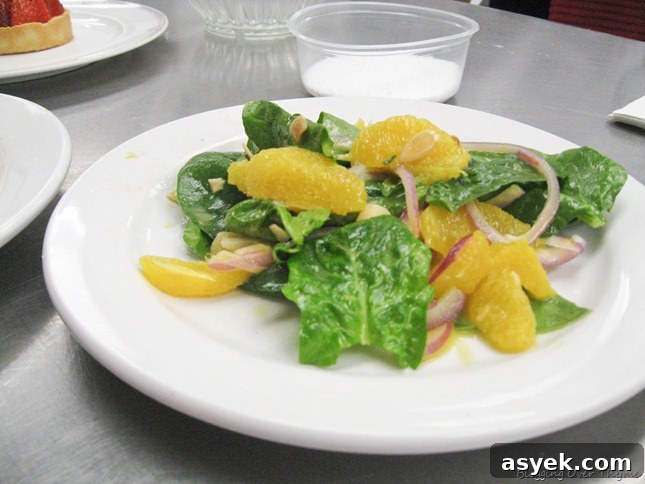
The citrus salad focused on the technique peler à vif—removing the peel, pith, and membrane to extract clean citrus segments (suprêmes). We used a boning knife to remove the rind and then cut between membranes to free the segments. Any remaining membrane and pith were squeezed for juice used in an orange vinaigrette made with Dijon, minced garlic, and sherry vinegar. The salad combined spinach (leaves hand‑picked and washed), citrus segments, thinly sliced onion, and toasted almonds—simple, bright, and balanced.
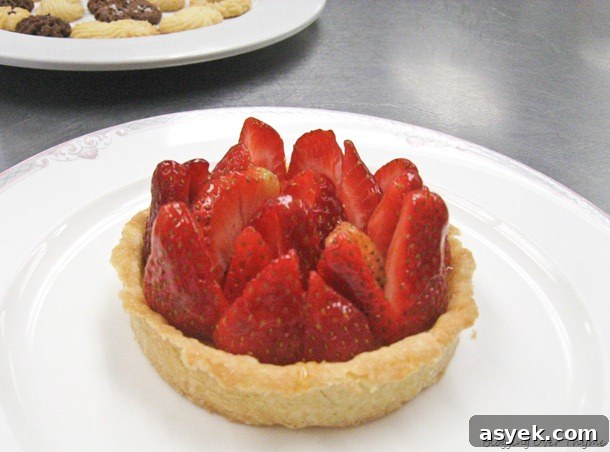
For the tartlets, we finished preparing the pâte sucrée shells and made crème pâtissière (pastry cream) from scratch. The pastry cream ingredients were:
- egg yolks
- whole milk
- sugar
- cornstarch
- vanilla
To make pastry cream, whisk egg yolks, sugar, and cornstarch without incorporating air, then temper slowly with warm milk. Cook the mixture over medium‑low heat until it thickens and bubbles, signaling that the cornstarch is cooked. Push the cream through a sieve to remove any lumps, then add vanilla once it’s off the heat to avoid bitterness. We filled the tart shells to less than half full so the fruit remains the star, arranging strawberries point-up like little baskets and brushing them with an apricot glaze for shine.
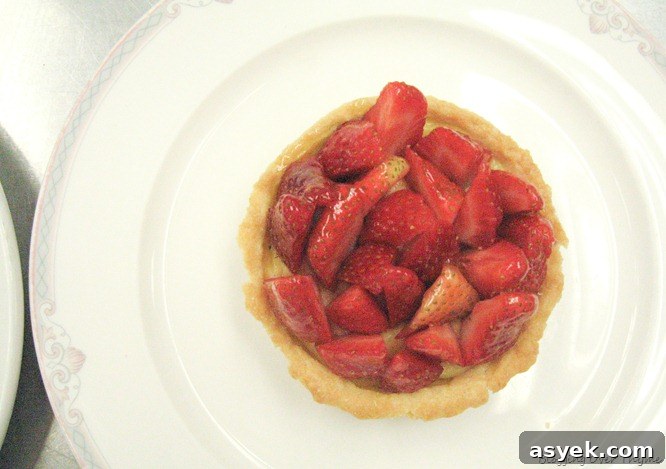
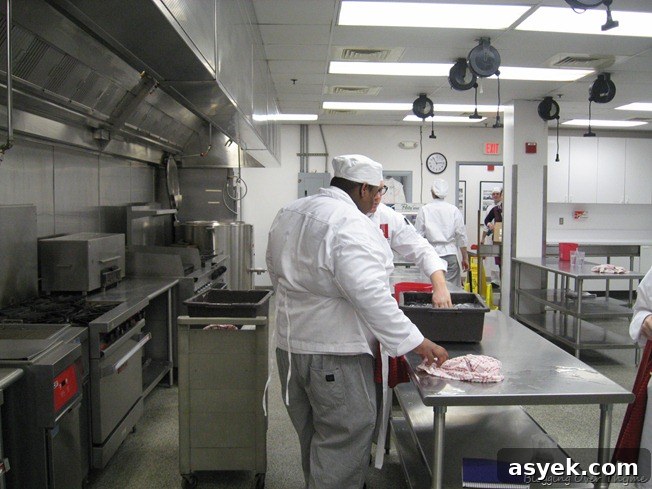
Service was scheduled for 11:00 a.m., and time flew. We were granted a short extension while everyone scrambled to finish plating SIX plates of each dish. Working with a new partner added complexity: we shared responsibility for combining diced vegetables, but each of us still had to manage preparation for every menu item to practice techniques. Keeping workstations clean and making enough space to present plates was a challenge, and I felt frazzled by the end—but the instructor later showed one of my tarts to the school director, who was impressed, which gave me a welcome confidence boost.
The chef said this day is considered one of the hardest in Phase I, especially since we’d only been in school four days. It was reassuring to hear that intensity is expected early on, even if it makes the days feel relentless.
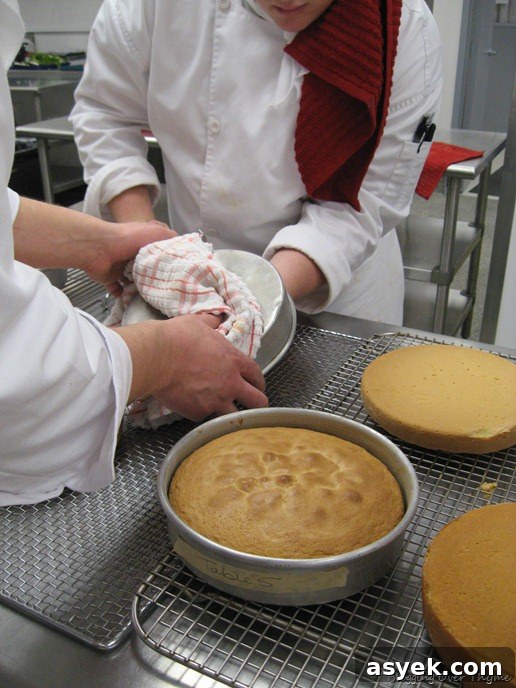
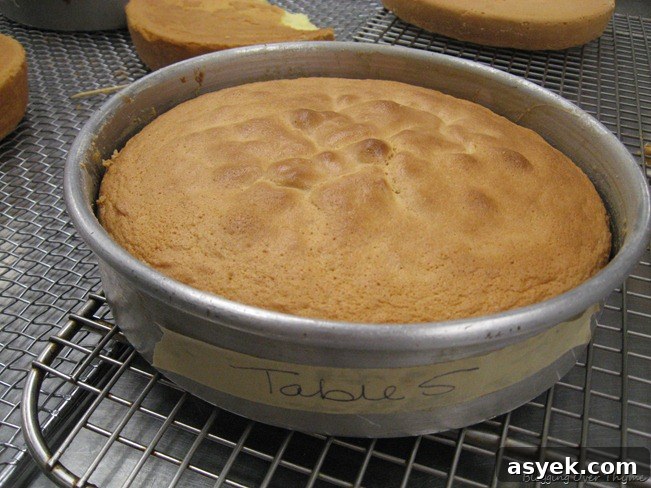
After a short lunch, we switched gears to trim chicken bones for stock under a tighter time constraint, then watched an afternoon demo on genoise. Genoise is a light sponge cake made with whole eggs, sugar, flour, butter, and vanilla. We prepared a whole-egg sponge genoise by whipping eggs over a double boiler until they formed ribbons, then folding in dry ingredients and a bit of butter. The cake is airy and subtly eggy—ideal as a base for layer cakes and notable for freezing well.
By 2:30 p.m. the scheduled day was over, but cleanup pushed us to about 3:30. Stepping outside afterward and finding snow was a surprising contrast to the warm, busy kitchen we’d left.
If you made it to the end, congratulations—you deserve your own genoise. I plan to type up actual recipes and ingredient amounts this weekend for anyone who wants the procedures. Thanks to everyone for the encouraging comments on my culinary school updates; I’ve enjoyed sharing these experiences.