If you’ve learned how to feed your sourdough starter, you may be left with extra sourdough discard—especially when growing a new starter. Instead of throwing it away, you can use that discard to enhance flavor and texture in many recipes. Below you’ll find practical advice on what discard is, why it accumulates, how to store it, and creative ways to use it in baking.
Note: You need an existing sourdough starter to produce discard. If you don’t have one yet, you can make your own with a starter recipe, buy a starter, or ask a friend for a portion. For detailed instructions, check posts on making a starter, feeding a starter, and troubleshooting a struggling starter.
What is Sourdough Discard?
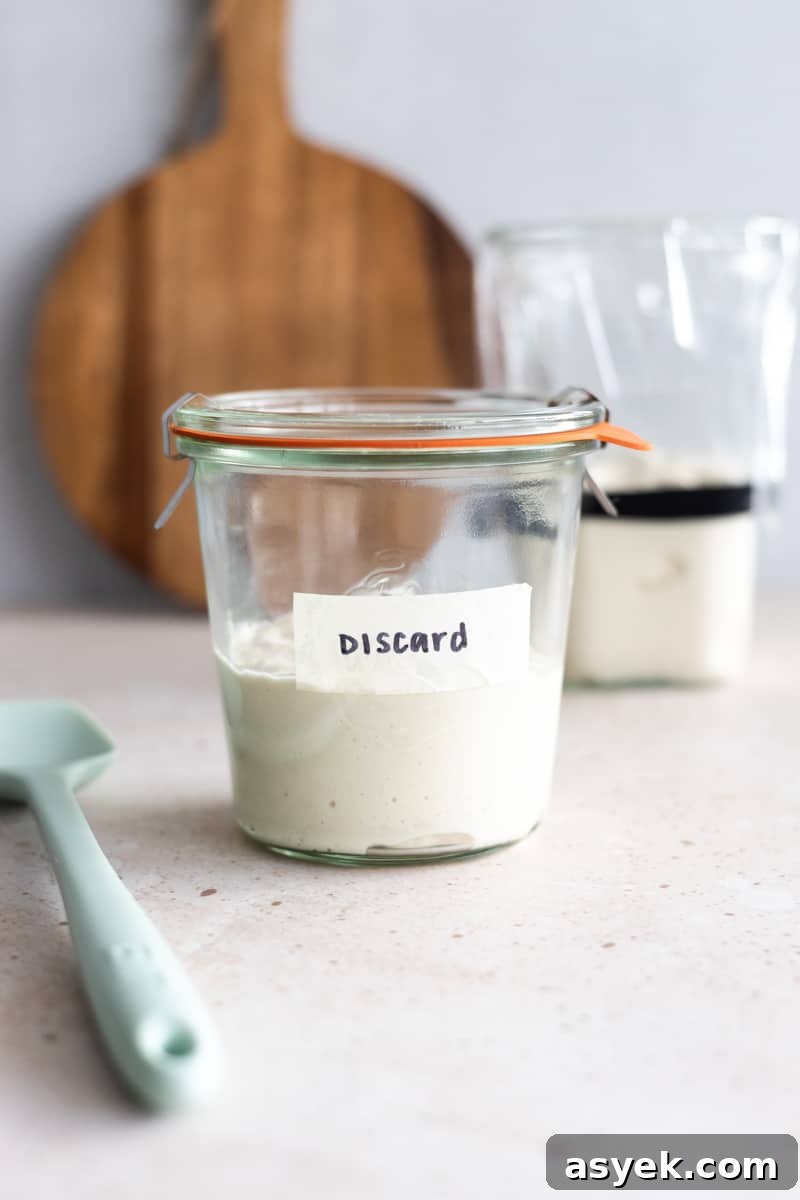
Sourdough discard is the portion of starter you remove when feeding. When you refresh your starter, you set aside part of the culture and add fresh flour and water to the remaining starter. That set-aside portion is the discard—fermented, flavorful, and still useful for baking.
Although it’s often called “discard,” this portion contains wild yeast and lactic acid bacteria from fermentation. That means it can contribute tang and some lift to same-day recipes, but it is not as active as a freshly fed starter and often needs other leavening or yeast when used in place of active starter.
Why Do You Have to Discard?
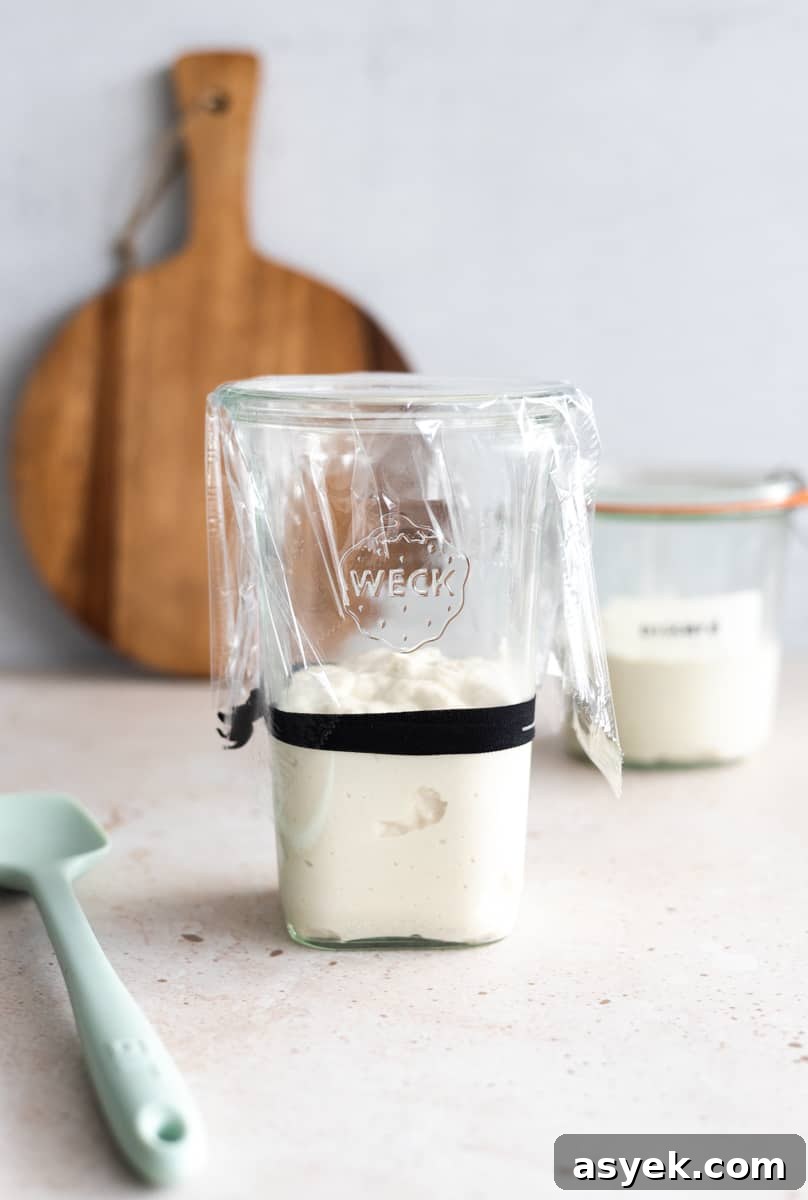
Sourdough starters grow quickly and, when active, can double in size within hours. Without regular discard, your starter would balloon and require exponentially more flour and water at each feeding, which becomes impractical over time.
Discarding keeps the starter at a manageable volume and allows you to continue feeding with consistent ratios. If you bake with your active starter as part of the same feeding session, you may not need to discard that day, since some of the starter will be used directly in recipes.
What Can You Do with Sourdough Discard?
Discard has several useful options rather than being wasted. Common choices include:
- Compost or trash it: If you don’t want to use it, throw it away or compost it. Do not pour discard down the sink; it can harden and clog drains.
- Use it the same day: If you plan to bake that day, keep discard at room temperature covered to prevent drying and use it in recipes like pizza dough, bagels, or quick breads.
- Refrigerate for later: Store discard in an airtight container in the fridge until you’re ready to bake. Let it warm to room temperature before using for best results.
- Create another starter: If you want a second starter, you can feed discard and cultivate a new culture.
- Share with others: Give discard to friends who want to start their own starter; include basic feeding instructions so they can care for it.
How to Store Sourdough Discard
For short-term use (same day), keep discard at room temperature in a covered container or bowl. For longer storage, place discard in an airtight jar in the refrigerator. Collect discard in that container over time and label it with the date so you can keep track. I recommend using refrigerated discard within 2–3 weeks, provided there are no signs of spoilage.
When ready to bake, bring refrigerated discard to room temperature. If you notice a thin, murky liquid on top (hooch), you can pour it off or stir it back in; hooch simply indicates the discard is hungry.
Getting Started
Sourdough Starter Recipe
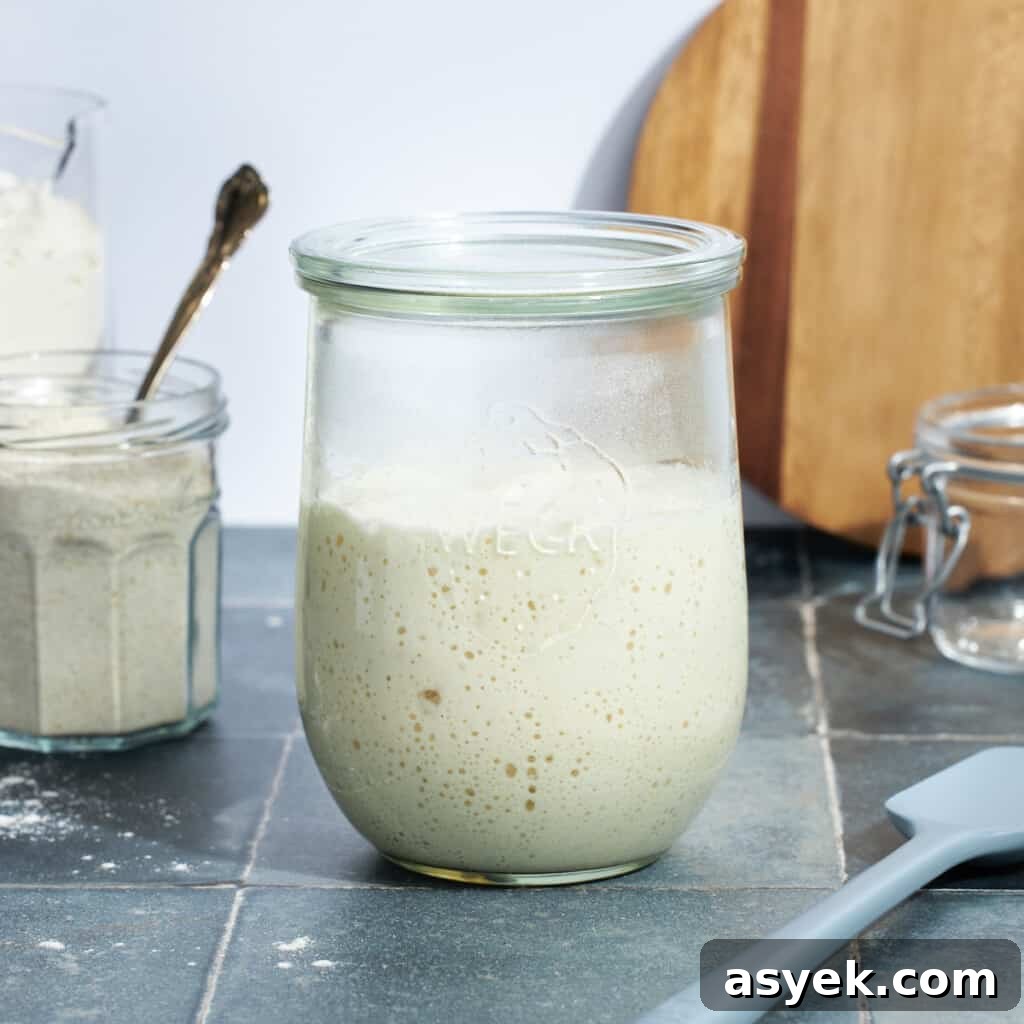
If you need a starter, follow a reliable recipe to build your culture and learn feeding routines before collecting discard. Consistent feeding helps ensure good flavor and predictable behavior in both starter and discard.

Why Should You Bake with Sourdough Discard?
Using sourdough discard reduces waste and stretches the value of the flour and time you’ve invested in your starter. It also contributes a pleasant tang and some body to quick bakes. Many discard recipes are same-day, so you can get tasty results without long fermentation times.
Because discard is unfed, it usually needs additional leavening—commercial yeast or baking powder—if you want predictable rise. Every starter behaves slightly differently, so adjust the dough’s hydration by adding flour or water in small increments (about a tablespoon at a time) until you reach the desired texture.
Sourdough Discard Recipes
Discard is versatile and works in many recipes, from savory breads to sweet breakfast items. Popular choices include bagels, pull-apart garlic bread, soft pretzels, cinnamon rolls, pizza dough, and waffles—most are same-day recipes that let you enjoy sourdough flavor without multi-day schedules.
- Sourdough Discard Bagels
- Garlic Pull-Apart Bread
- Soft Pretzels
- Pretzel Bites
- Cinnamon Rolls
- Pizza Dough
- Garlic Rolls
- Waffles
Has My Sourdough Discard Gone Bad?
Refrigerated discard is generally fine for up to 2–3 weeks. Keep an eye out for clear spoilage signs and discard immediately if you spot anything concerning. Warning signs include:
- Fuzzy green, black, or gray mold: Any fuzzy mold indicates the discard should be thrown away.
- Pink or orange streaks: These colors can signal contamination; discard any mix showing them.
When in doubt, throw it out. If the discard looks, smells, or feels off, it’s not worth the risk—there will be more discard in future feedings.
Sourdough Discard FAQs
That liquid is hooch, a byproduct of fermentation indicating your discard is hungry. It’s harmless; you can pour it off or stir it back in before using.
Store discard in the refrigerator and use it within 2–3 weeks for best quality. If there is no mold and it smells normal, it is usually safe to use.
Feed active starters regularly—at least once a week if refrigerated, or daily if kept at room temperature. For detailed feeding schedules, see guides on starter maintenance.
No. Active starter provides live yeast for rise; discard is unfed and less active. Most discard recipes call for additional leavening, such as commercial yeast, to ensure reliable rise.
Troubleshooting guidance—such as adjusting feeding frequency, temperature, and flour type—can help revive a weak starter. Consult starter troubleshooting resources for step-by-step tips.
More Sourdough Starter Guides
- Sourdough Starter Recipe
- How to Feed Sourdough Starter
- Tips for Struggling Sourdough Starter
- Easy Sourdough Discard Bread