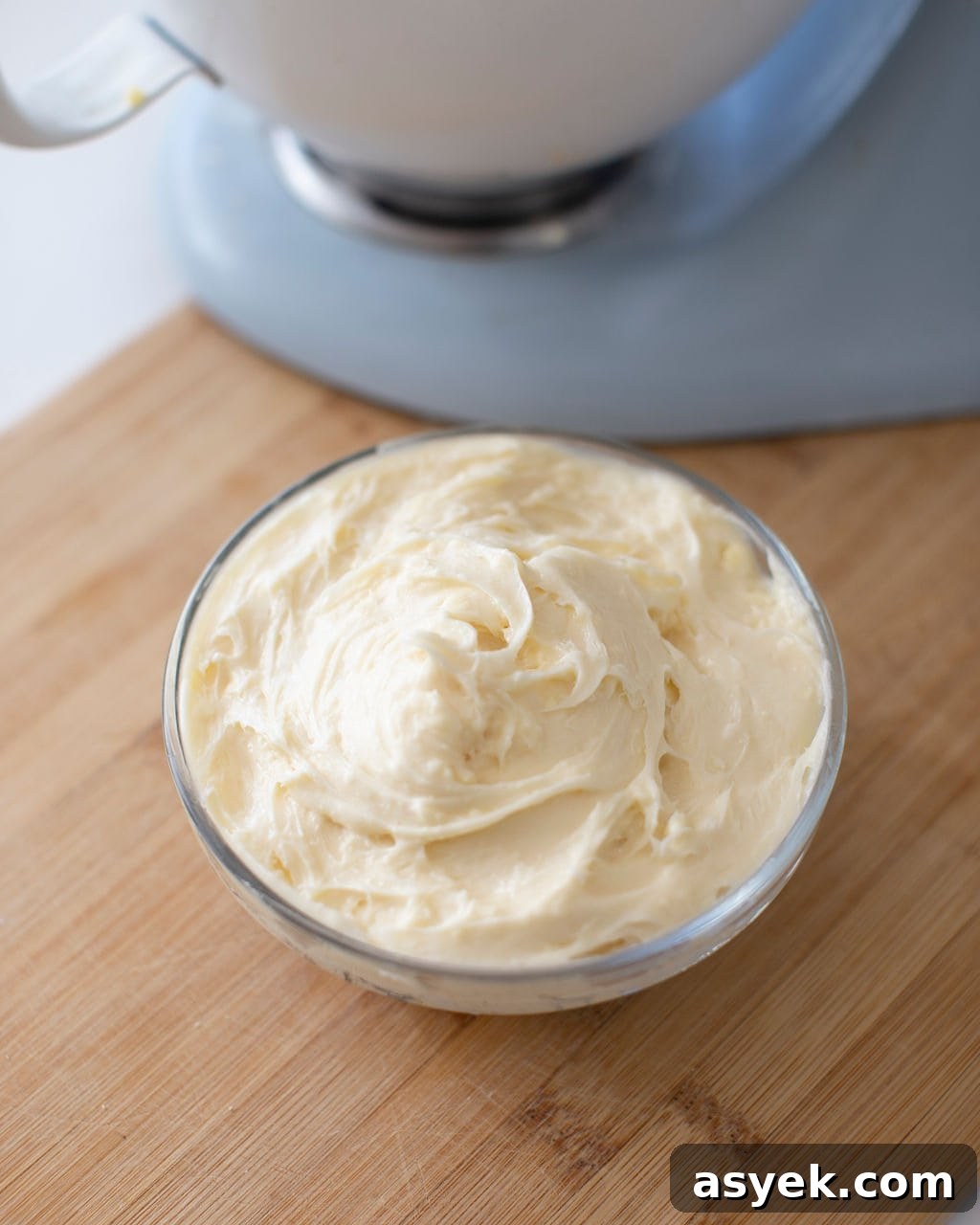
Get ready for the easiest vanilla cream cheese frosting ever! With just four ingredients, you’ll have a smooth, stable, and flavorful frosting that’s ideal for cakes and cupcakes.
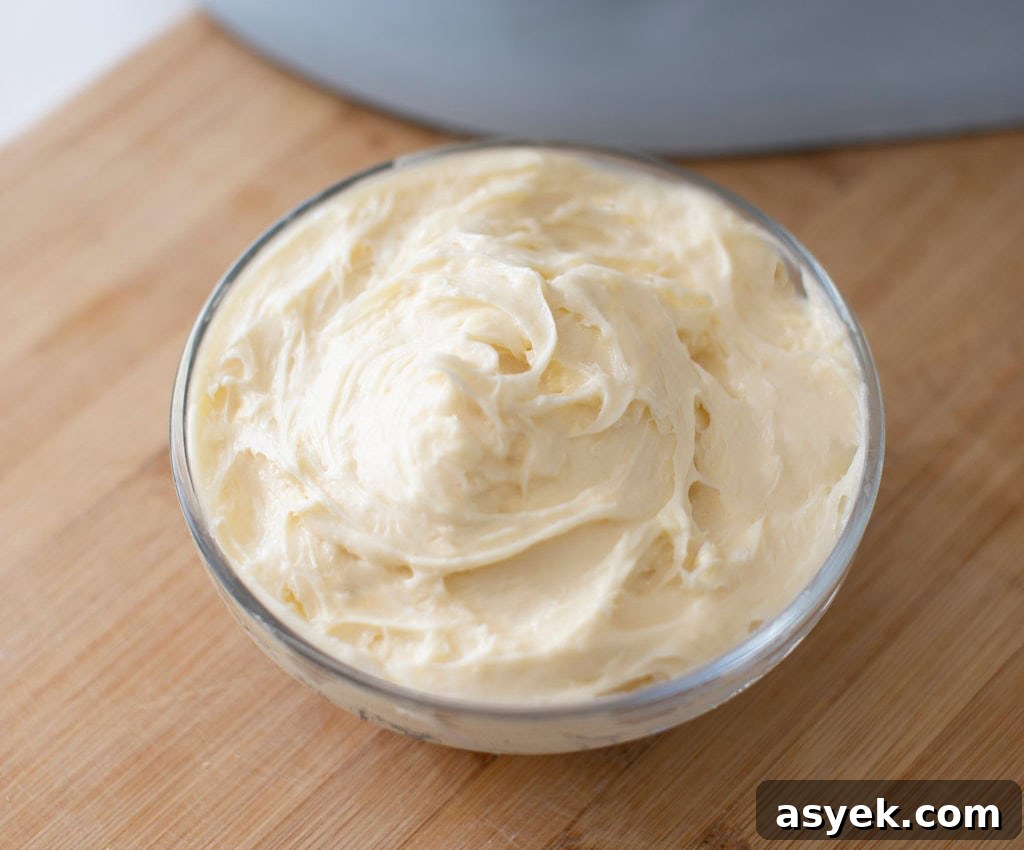
After years of testing recipes, decorating for parties, and practicing on countless cupcakes (including my own wedding cupcakes), I landed on a simple, reliable vanilla cream cheese frosting. It’s smooth, pipeable, and balanced in sweetness—rich enough to taste decadent, but not so sweet that it overwhelms the cake beneath. This version holds its shape well for piping and looks lovely on both layered cakes and individual cupcakes.
What makes this recipe so dependable is attention to technique: use full-fat cream cheese, work with room-temperature ingredients, and avoid overbeating. Follow the short, clear steps below and you’ll have a frosting that’s creamy, stable, and easy to work with.
The Secret to Perfectly Smooth Cream Cheese Frosting
The key to a silky texture is gentle handling. Cream cheese can become grainy if overwhipped, so mix just until the ingredients are fully combined and smooth. Start with room-temperature cream cheese and butter so they blend evenly without lumps. If you need to soften ingredients faster, cut the butter and cream cheese into small pieces and leave them at room temperature for 30–60 minutes rather than microwaving.
Homemade Cream Cheese Frosting Ingredients
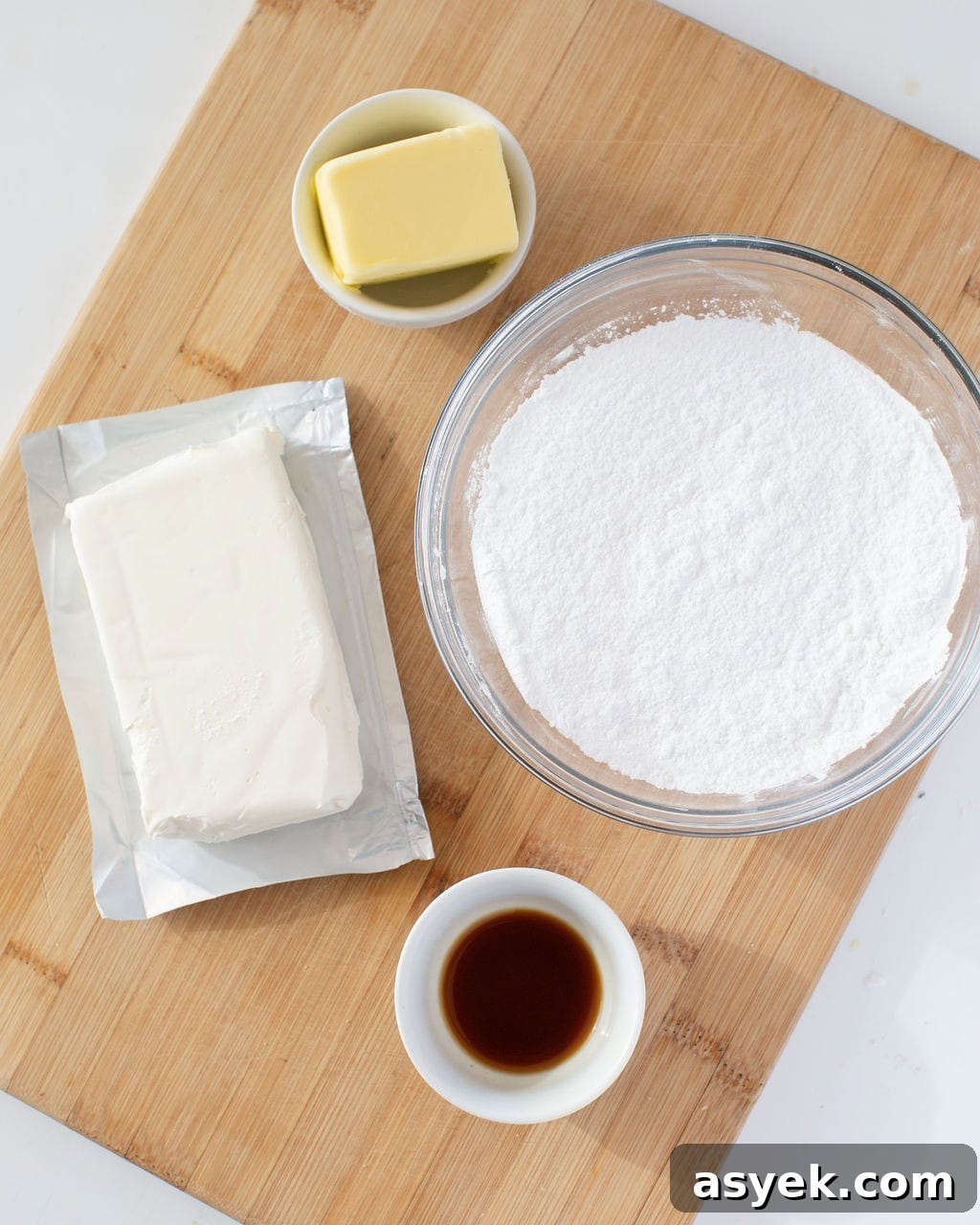
This recipe uses only four basic ingredients you likely already keep on hand:
- Cream Cheese – 8 ounces, full-fat, room temperature for a rich, creamy base.
- Unsalted Butter – 5 tablespoons, softened to room temperature so it blends smoothly.
- Vanilla Extract – 2 teaspoons for classic flavor.
- Powdered Sugar – 2 1/2 cups, sifted for a lump-free, silky finish.
That simple combination produces a versatile frosting that’s easy to flavor or color if you want to customize it.
How to Make Vanilla Cream Cheese Frosting
Follow these straightforward steps:
- Beat the butter in a stand mixer or with a hand mixer on medium speed until smooth and slightly fluffy.
- Add the cream cheese in chunks and beat just until the mixture is evenly combined and smooth. Scrape the bowl as needed.
- Mix in the vanilla until incorporated.
- Add the powdered sugar in three additions, mixing on low speed after each addition until smooth. Keep the mixer speed low to avoid a dusty cloud of sugar and to preserve a creamy texture.
- Check consistency — stop as soon as the frosting is smooth and spreadable. If it seems too soft, chill briefly or add a tablespoon at a time of sifted powdered sugar until desired stiffness is reached. If it’s too stiff, beat for a few seconds longer or add a teaspoon of milk at a time.
You’ll end up with a light, pipeable frosting that holds clean edges and attractive swirls.
How to Use This Frosting
This frosting is highly adaptable. Use it to top or fill:
- Birthday cupcakes, piped with a star tip for classic swirls
- Carrot cake, banana cake, or spice cakes where cream cheese complements warm flavors
- Cookies, as a sandwich filling between two sugar cookies or thumbprints
- Graham crackers or fruit, as a quick sweet snack
For delicate piping details, chill the frosting in the refrigerator for 10–15 minutes to firm it slightly, then transfer to a piping bag. For a glossy finish on rustic cakes, spread with an offset spatula and smooth the top and sides.
How to Store the Easy Cream Cheese Frosting
Store leftovers in an airtight container in the refrigerator for up to one week. Before using chilled frosting, let it sit at room temperature for 20–30 minutes and stir gently to restore its smooth, spreadable texture. If the frosting seems slightly separated after chilling, a short, gentle stir will bring it back together.
Can You Freeze Cream Cheese Frosting?
Yes—this frosting freezes well. Place it in an airtight container and freeze for up to 3 months. Thaw in the refrigerator overnight, then bring to room temperature and whisk or beat briefly to restore a smooth consistency before piping or spreading.
Homemade Cream Cheese Frosting FAQs
If the frosting is too soft, add powdered sugar a tablespoon at a time until you reach the desired firmness, or chill the frosting for 15–20 minutes to help it set. Avoid adding large amounts of sugar at once to prevent it becoming overly sweet.
Yes. Because cream cheese is a dairy product, the frosting should be refrigerated if not served immediately. It can sit at room temperature for a few hours during serving, but should be returned to the fridge afterward.
Overmixing or using very warm cream cheese can prevent the frosting from setting. Chill the frosting for 30 minutes before piping to help it firm up. If it’s still too soft, mix in a small amount of powdered sugar to adjust the texture.
Vanilla Cream Cheese Frosting Recipe
Ingredients
- 8 ounces cream cheese, room temperature
- 5 tablespoons unsalted butter, room temperature
- 2 teaspoons vanilla extract
- 2 1/2 cups powdered sugar, sifted
Instructions
- In a mixer, beat the butter on medium speed until smooth and slightly fluffy.
- Add the cream cheese in chunks and mix on low-to-medium speed until evenly combined and smooth. Scrape the bowl as needed.
- Add the vanilla and mix until incorporated.
- Add the powdered sugar in three additions, mixing on low speed after each addition until smooth. Stop as soon as the frosting reaches a spreadable, pipeable consistency.
- If the frosting is too stiff, beat for a few seconds longer or add a small splash of milk. If it’s too soft, chill briefly or add a tablespoon of sifted powdered sugar at a time until desired firmness is reached. Be careful not to overbeat.
Tips and Variations
- For a more pronounced tang, use a block-style full-fat cream cheese rather than low-fat varieties.
- To flavor the frosting, fold in a small amount of citrus zest, cocoa powder, or a flavored extract—add gradually and taste as you go.
- If you plan to pipe delicate details, chill the frosting for 10–15 minutes to firm it slightly, then transfer to a piping bag fitted with your preferred tip.
- Keep frosting chilled during warm weather and allow it to come to room temperature before spreading or piping for best results.