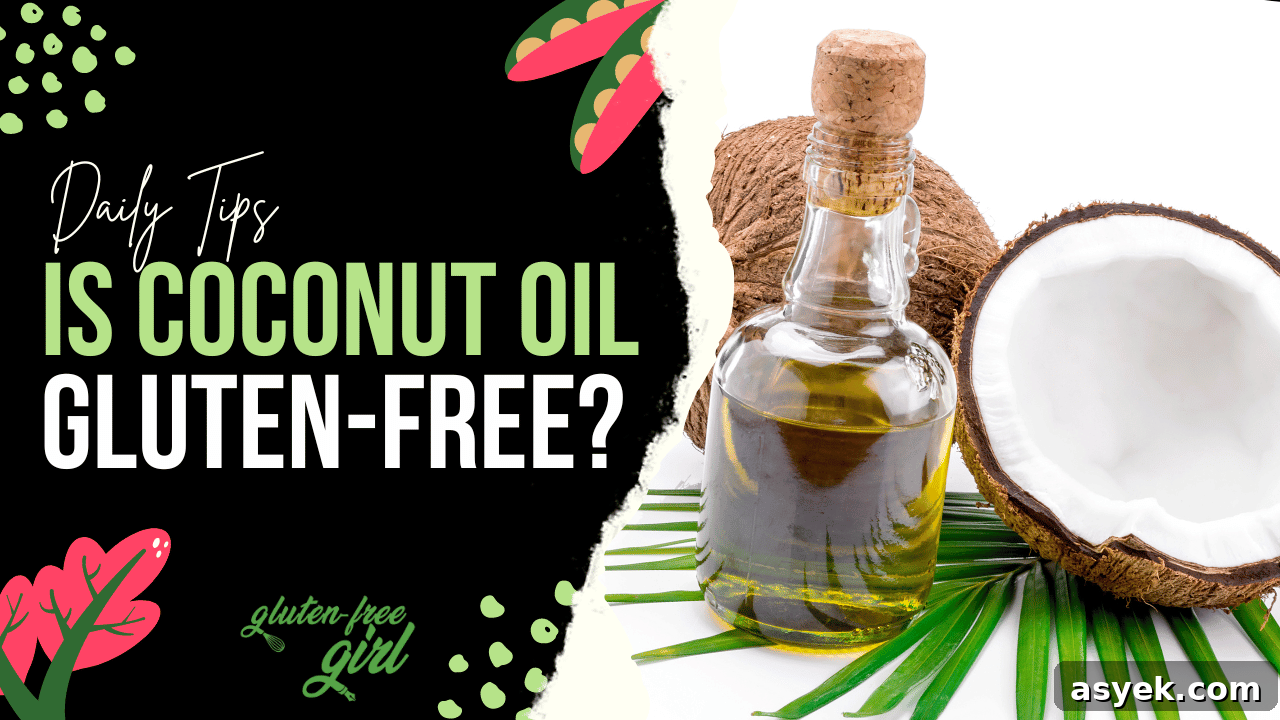
Yes — coconut oil is gluten-free. Pure coconut oil is made from the meat of coconuts, a fruit rather than a grain, so it contains no gluten protein. Gluten is found in grains such as wheat, barley and rye; coconuts are unrelated to these crops. When produced and handled correctly, coconut oil is a safe fat source for people following a gluten-free diet. Reputable manufacturers use quality controls and testing to reduce the risk of cross-contamination, giving consumers confidence that the product remains free of gluten.
For people with celiac disease, choosing truly gluten-free ingredients is essential. Celiac disease is an autoimmune disorder triggered by ingestion of gluten in genetically susceptible individuals; as researcher Alessio Fasano puts it, it “is an autoimmune disorder that occurs in genetically predisposed individuals and is triggered by the ingestion of gluten.” Even tiny amounts of gluten can damage the small intestine and cause symptoms, so safe substitutes like coconut oil matter.
Coconut oil also appeals as a culinary ingredient because of its composition. It is high in medium-chain triglycerides (MCTs), which are absorbed differently than long-chain fats and have been studied for potential benefits in energy metabolism and digestion. Coconut oil’s mild flavor and solid-at-room-temperature texture make it useful in baking, frying and as a butter alternative in many gluten-free recipes.
Many gluten-free eating plans, including Paleo-style approaches, include coconut oil as a staple. Because it is derived from whole fruit and not processed grains, it fits naturally into whole-foods-based, gluten-free menus.
Can a Person with Celiac Disease Eat Meals Cooked from Coconut Oil?
Yes. Meals cooked with pure coconut oil are safe for people with celiac disease, provided that the oil and all other ingredients are gluten-free and cross-contamination is prevented during preparation. Coconut oil does not contain the gluten protein found in wheat, rye or barley, so the oil itself is not a trigger. The main risks come from shared cookware, contaminated ingredients, or flavored blends that include gluten-containing additives.
What Gluten-Free Recipes Can You Cook with Coconut Oil?
Here are popular gluten-free recipes that work well with coconut oil:
- Coconut Oil Fried Rice: Stir-fried rice with vegetables and seasonings using coconut oil for flavor and sautéing.
- Gluten-Free Banana Bread: Moist banana bread made with gluten-free flour and coconut oil for richness.
- Curry Chicken or Tofu: Curries that use coconut oil and coconut milk for a creamy base and balanced heat.
- Coconut Oil Popcorn: Pop freshly popped corn and toss with melted coconut oil and salt.
- Chocolate Fudge: No-bake vegan fudge made from coconut oil, cocoa, and natural sweeteners.
- Tom Kha Gai (Thai Coconut Soup): Traditional Thai soup using coconut milk and coconut oil for aroma and body.
- Roasted Vegetables: Roast seasonal vegetables tossed in melted coconut oil for caramelization.
- Granola: Gluten-free granola bound with coconut oil, oats (certified gluten-free), nuts and seeds.
- Blueberry Muffins: Gluten-free muffins that stay moist when made with coconut oil.
- Shrimp or Vegetable Stir-Fry: High-heat cooking with coconut oil gives a tropical note and quick sear.
What Makes Coconut Oil Gluten-Free?
Coconut oil is gluten-free because of its origin and composition. It is extracted from coconut meat, which contains no gluten. The typical extraction methods—cold pressing or expeller pressing—do not introduce gluten. The primary concern for gluten-free status is not the oil itself but how it is handled: shared facilities, flavored formulations or improper storage can introduce contamination.
Is Coconut Oil Naturally Gluten-Free?
Yes. In its pure form, coconut oil is naturally gluten-free. Manufacturers that want to ensure product safety implement cleaning protocols, separate production lines when necessary, and obtain gluten-free certification to reassure consumers. Always check labels if you need strict gluten-free assurance.
Does Coconut Oil Come from Coconuts?
Yes. Coconut oil is derived from the flesh of mature coconuts (Cocos nucifera). The oil’s common names reflect that origin, and the extraction preserves the coconut’s natural aroma and flavor. Because coconuts are not grains, the oil they yield does not contain gluten.
How Do You Keep Dishes Cooked with Coconut Oil Gluten-Free?
- Choose gluten-free ingredients: Use naturally gluten-free staples like rice, quinoa and certified gluten-free flours.
- Read labels: Check spices, sauces and processed items for hidden gluten.
- Avoid cross-contamination: Use separate utensils, cutting boards and pans or clean thoroughly between uses.
- Use certified products: Prefer certified gluten-free ingredients where available.
- Be cautious with batters and breading: Shared oil used to fry breaded foods can transfer gluten.
- Clean workspaces: Wipe counters and equipment before preparing gluten-free meals.
- Communicate: When eating out or sharing a kitchen, inform others about your gluten-free needs.
Are Coconut Oil Cocktails Gluten-Free?
Your cocktail will be gluten-free if the coconut oil and all other components are gluten-free. Spirits such as rum and tequila are typically gluten-free, while some flavored liqueurs and mixers may contain gluten or be subject to cross-contamination. Check labels and ask bartenders about preparation practices.
How Does Gluten-Free Coconut Oil Support Latent Celiac Disease?
In people with latent celiac disease—those with genetic predisposition or early markers but no current intestinal damage—choosing gluten-free ingredients reduces the risk of accidental gluten exposure. Coconut oil can provide an easily digestible fat source and replace products that might carry contamination risk. While dietary choices can help minimize exposures, individuals with latent or confirmed celiac disease should follow medical advice and monitoring from their healthcare provider.
How Can Coconut Oil Become Contaminated with Gluten?
- Cross-contamination from shared equipment or facilities that also process wheat, barley or rye.
- Flavored or blended coconut oil products that include gluten-containing additives.
- Improper storage near gluten-containing foods or reuse of containers that held gluten products.
- Mislabeled products or suppliers without adequate quality control.
How Can You Prevent Gluten Cross-Contamination from Coconut Oil Dishes?
To reduce cross-contamination risk, keep separate cookware and utensils for gluten-free cooking, thoroughly clean shared equipment, use certified gluten-free ingredients, avoid sharing frying oil with breaded foods, label containers clearly, and train household members or staff about safe handling. Proper practices make coconut oil dishes reliably gluten-free.
How to Identify Gluten-Free Coconut Oil Products in the Market
- Read the label for “gluten-free” statements or certification marks.
- Review the ingredient list for any wheat, barley, rye or malt-derived ingredients.
- Watch for “processed in the same facility” warnings that indicate cross-contact risk.
- Research brands and contact manufacturers when in doubt about sourcing and procedures.
Can Coconut Oil Remain Gluten-Free During Manufacturing?
Yes, when manufacturers follow strict quality controls: separate production lines, dedicated equipment, validated cleaning procedures and third-party testing or certification help keep coconut oil gluten-free throughout manufacturing.
Are Coconut Oil Candies and Canned Coconut Oil Gluten-Free?
Pure coconut oil in canned form is naturally gluten-free. Candies or other products made with coconut oil may or may not be gluten-free depending on added ingredients and production practices. Always check labels for gluten-free claims, ingredient lists and manufacturing statements to be sure.
How Does Coconut Oil Compare to Other Oils as a Gluten-Free Choice?
Like other vegetable oils (olive, avocado, sunflower), pure coconut oil is naturally gluten-free. Its culinary properties—mild coconut aroma, solidity at room temperature and MCT-rich profile—make it a versatile option in gluten-free cooking. As with any oil, the gluten-free safety depends on ingredients and handling rather than the oil itself.
Is Gluten-Free Coconut Oil Environmentally Friendly?
The environmental footprint of coconut oil varies by farming practices, processing and transport. Compared with some large-scale monocultures, smallholder coconut production can be lower-impact and support agroforestry systems, but consumers who prioritize sustainability should look for responsibly sourced, minimal-packaging products and brands that share information about ethical practices.