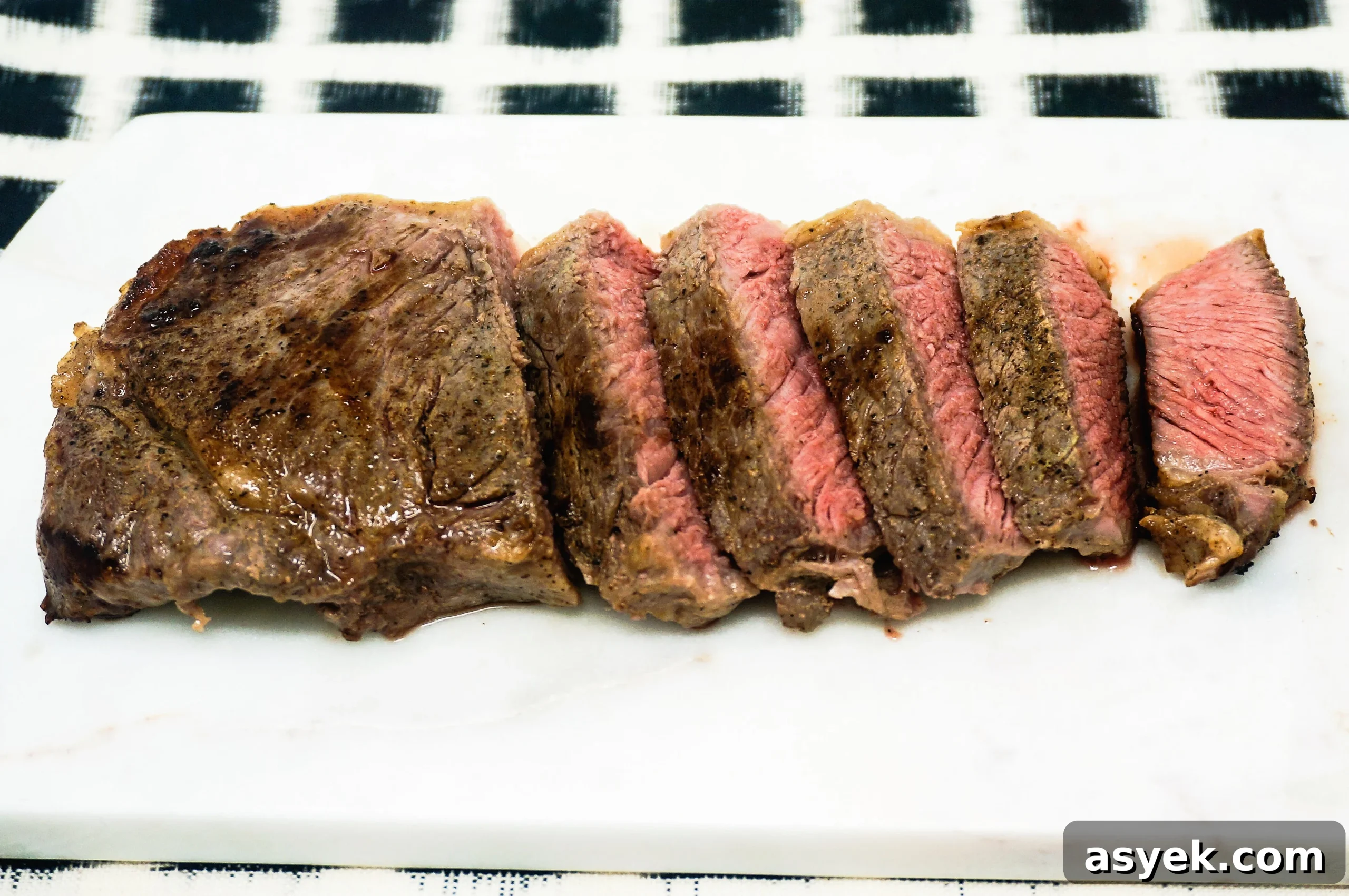
Sous vide steak is a perfect beginner-friendly recipe. Follow these clear, step-by-step instructions and you’ll get a tender, evenly cooked steak at the exact doneness you want every time.
The Joule
If you’re new to sous vide, the Joule sous vide circulator is an excellent option. Its companion app guides you through temperature and timing for a wide range of foods, making precision cooking simple. You set the target temperature and cook time in the app, and the circulator holds the water precisely at that temperature until your food is done.
One great advantage of sous vide is that, once food reaches the target temperature, it can usually stay in the water for up to two hours without overcooking—this gives flexibility for timing. You’ll also need a cooking vessel: a large stockpot or a plastic container works well. I prefer a stainless stockpot since it serves multiple purposes in a small kitchen. Whatever container you use, place it on a heatproof surface while cooking.
Step #1 – Pick a Tender Cut of Steak
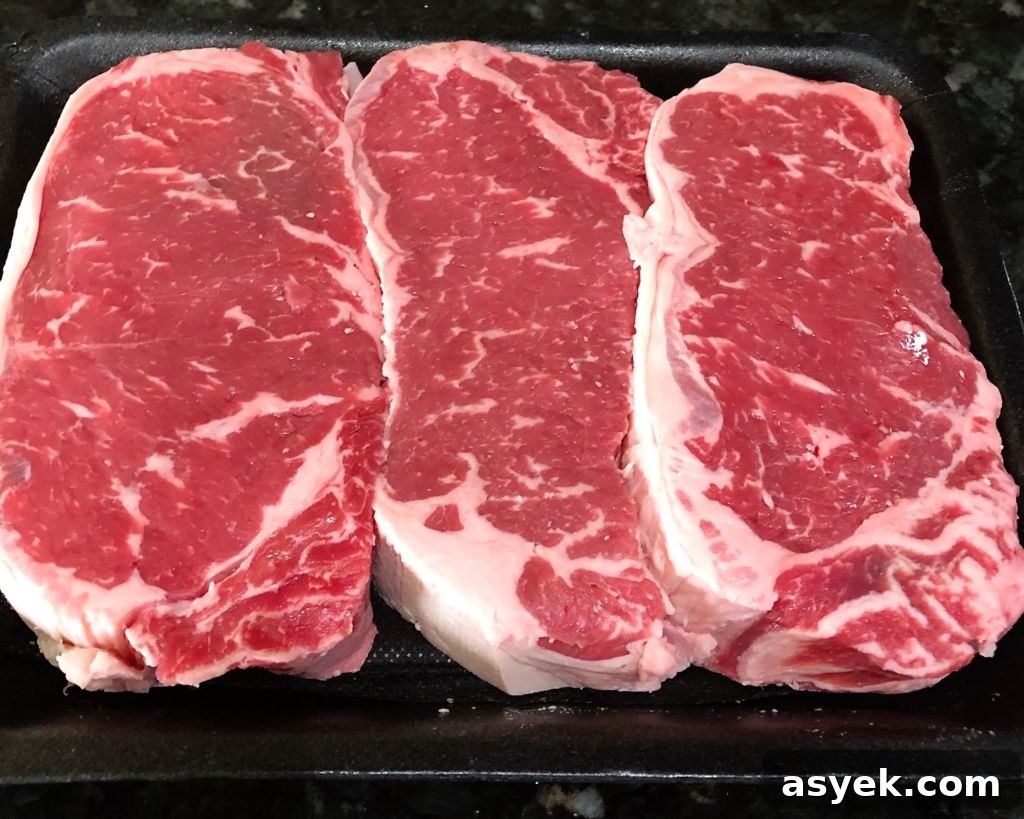
Sous vide excels with thicker, tender cuts. Choose any favorite tender steak: New York strip, ribeye, tenderloin, or T-bone all work beautifully. Aim for steaks between 1 and 2 inches thick. Thicker steaks take longer to reach temperature but sear more easily and give you a thicker, even band of perfect doneness through the center. Cooking one larger steak at a time also saves effort during searing.
Step #2 – Bag the Steaks
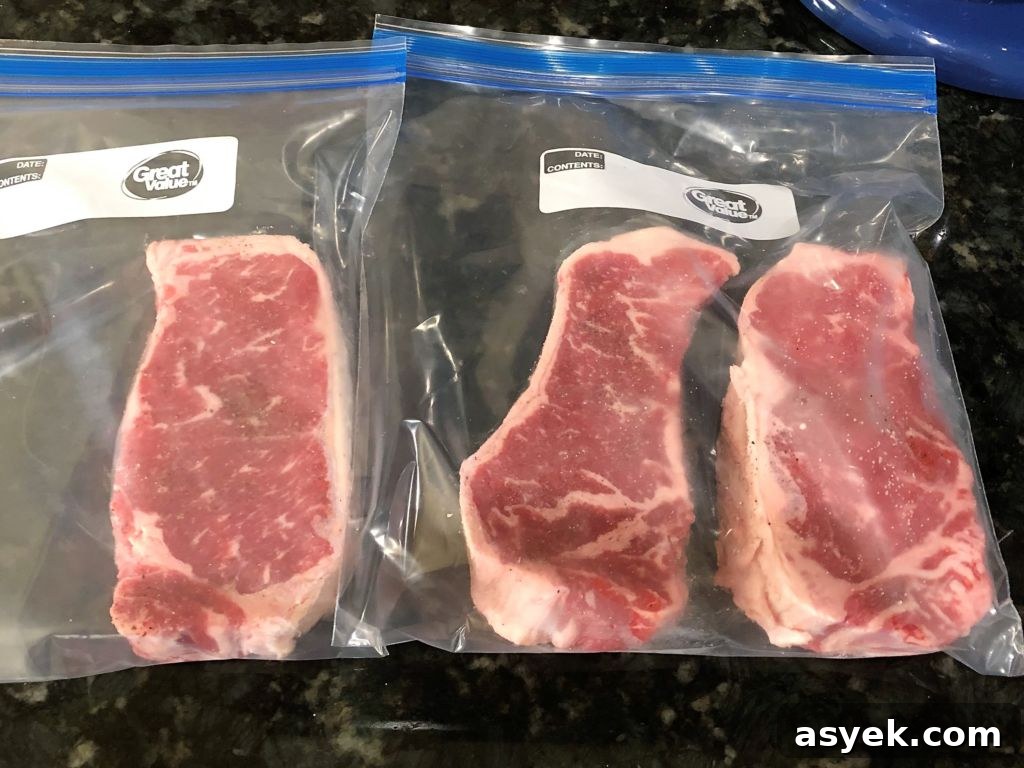
The simplest method is to use a 1-gallon zip-top freezer bag. Freezer bags are thicker and less likely to leak. Place the steak in a single layer in the bag and add a small drizzle of olive oil if desired. When submerging the bag, the water pressure will force most of the air out.
If you prefer, use a vacuum sealer to remove air and seal the bag. Either way, make sure steaks lie flat and are not stacked inside the bag. You can cook multiple bags at once as long as water circulation remains good.
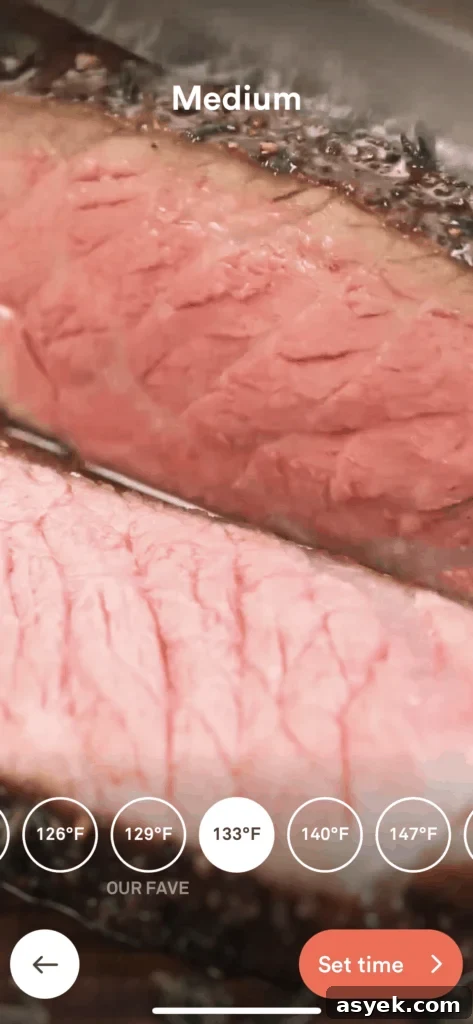
Step #3 – Choose Thickness and Doneness
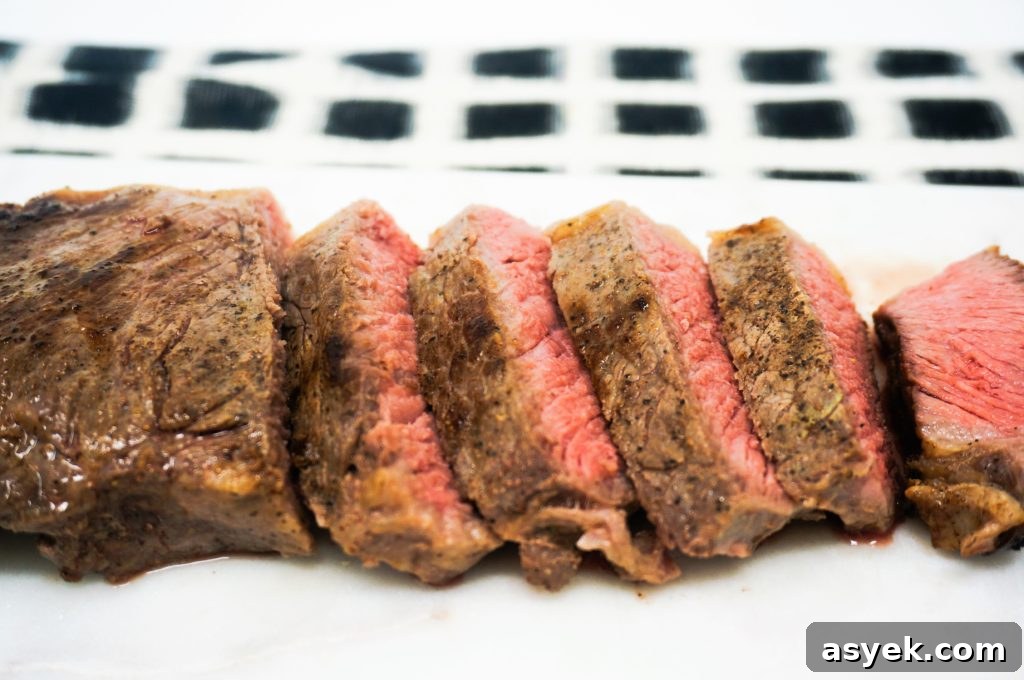
Your desired doneness determines the sous vide temperature; thickness determines cook time. Below are reliable target temperatures and typical cook times. Adjust to your preference.
- 126°F = rare
- 129°F = medium-rare
- 133°F = medium
- 140°F = medium-well
- 147°F = well done
Typical sous vide cook times by thickness:
- 1/2-inch steaks = 30 minutes
- 3/4-inch steaks = 45 minutes
- 1-inch steaks = 60 minutes
- 1 1/2-inch steaks = 90 minutes
- 2-inch steaks = 120 minutes
After the cook time finishes, steaks can usually remain in the water bath for up to two hours without changing doneness, which helps with flexible timing.
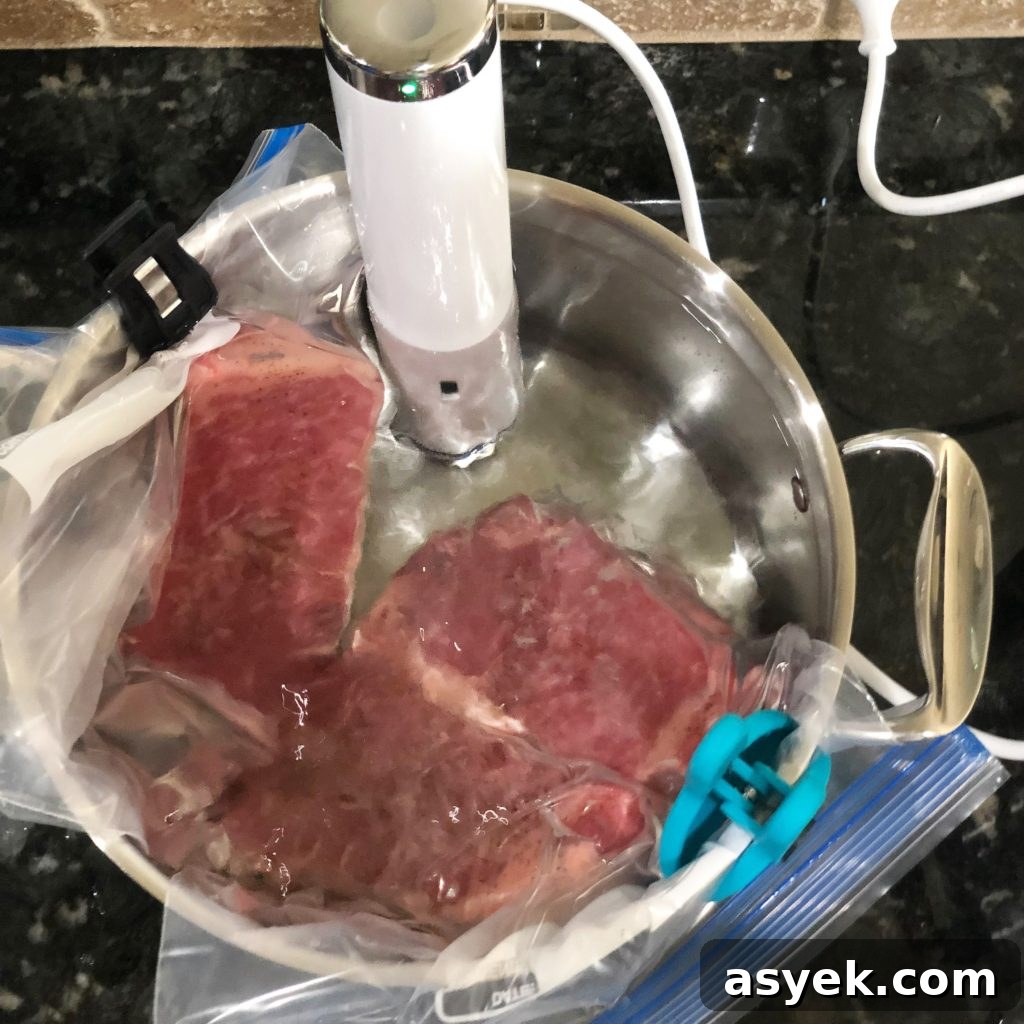
Step #4 – Preheat the Water, Then Submerge
Fill your pot or container about three-quarters full of water. Using warm tap water will reduce preheat time. Clip the immersion circulator to the side and set it to the temperature for your chosen doneness. When the water reaches temperature, slowly lower each sealed bag until the steaks are fully submerged. If needed, fold the open top of the bag over the pot rim or clip it to keep the bag submerged and prevent floating.
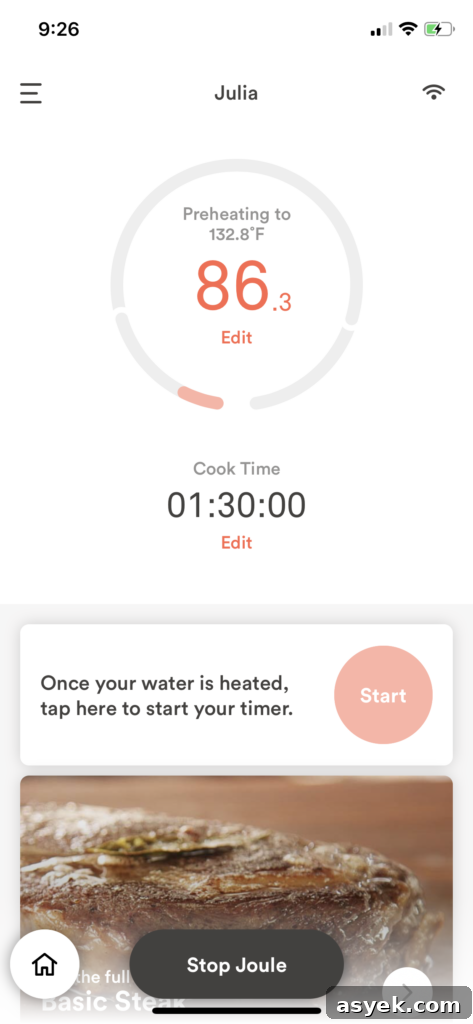
Step #5 – Set the Timer and Let It Cook
Start the timer for the appropriate cook time based on thickness. One of sous vide’s big benefits is knowing the exact temperature the meat is holding, so you can predict when it will be ready. The circulator will maintain temperature precisely, letting the steak finish evenly from edge to edge.
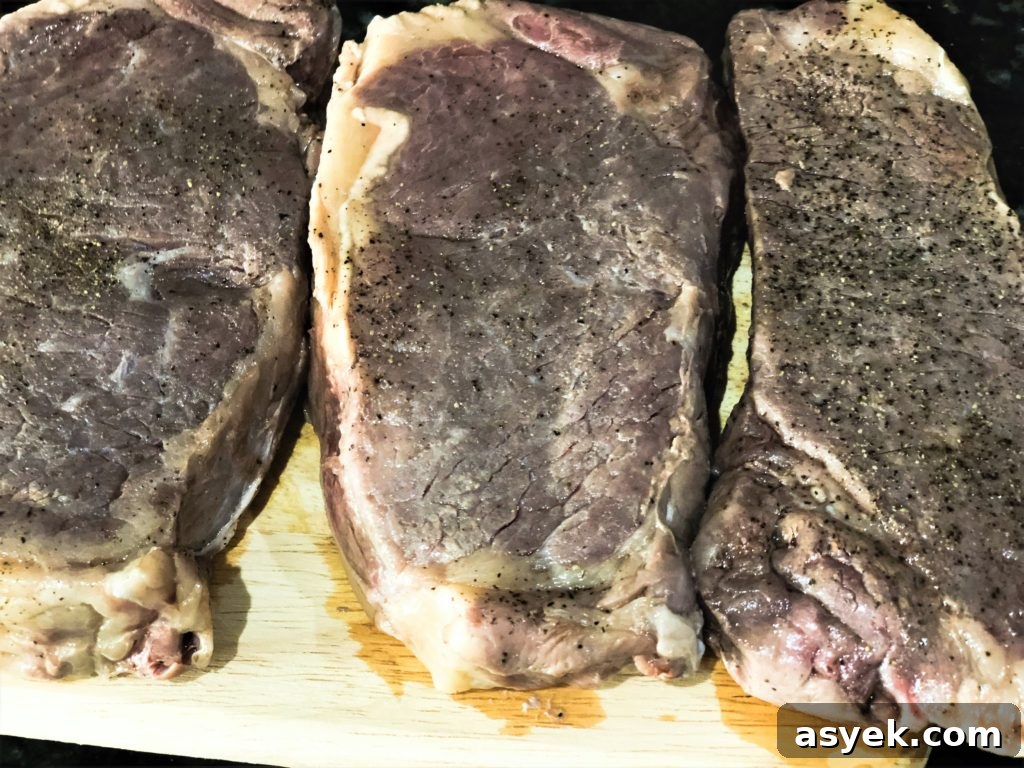
Step #6 – Sear Your Steaks
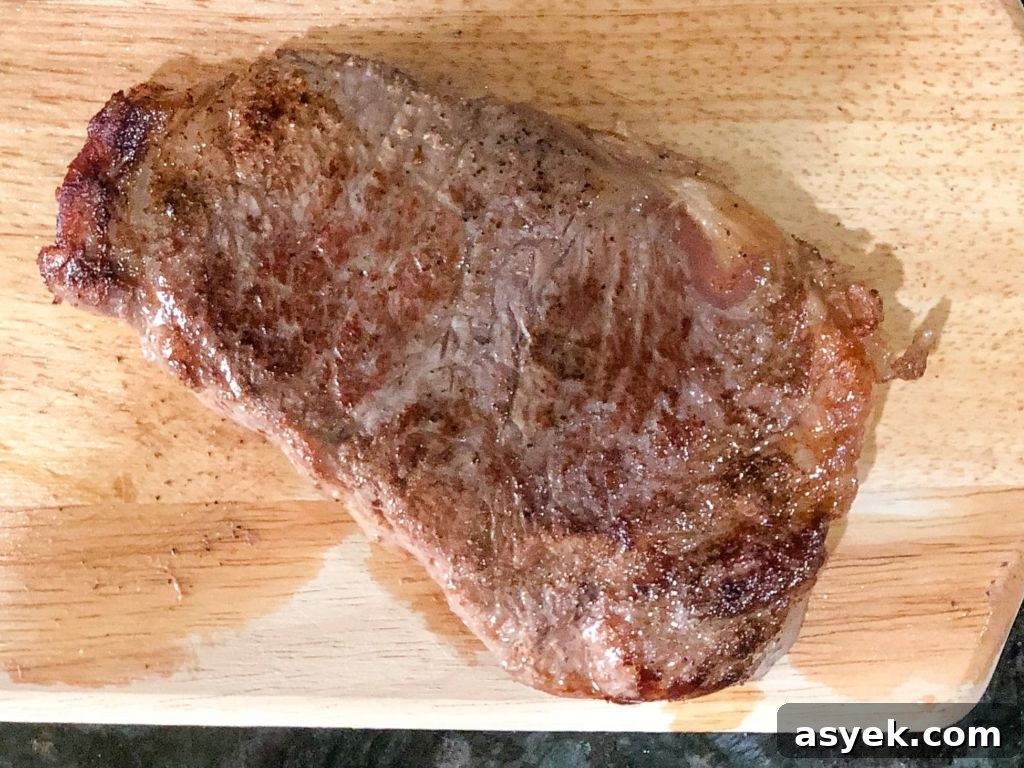
Once steaks reach the target temperature, remove them from the bags and pat dry with paper towels. A very hot, heavy skillet—cast iron is ideal—gives the best crust. Heat the skillet until it’s smoking hot, add about 1 tablespoon of butter or oil, and sear each side for roughly 45–60 seconds until browned. If your pan can’t fit all steaks at once, sear in batches so each steak gets maximum contact with the pan and a good crust.
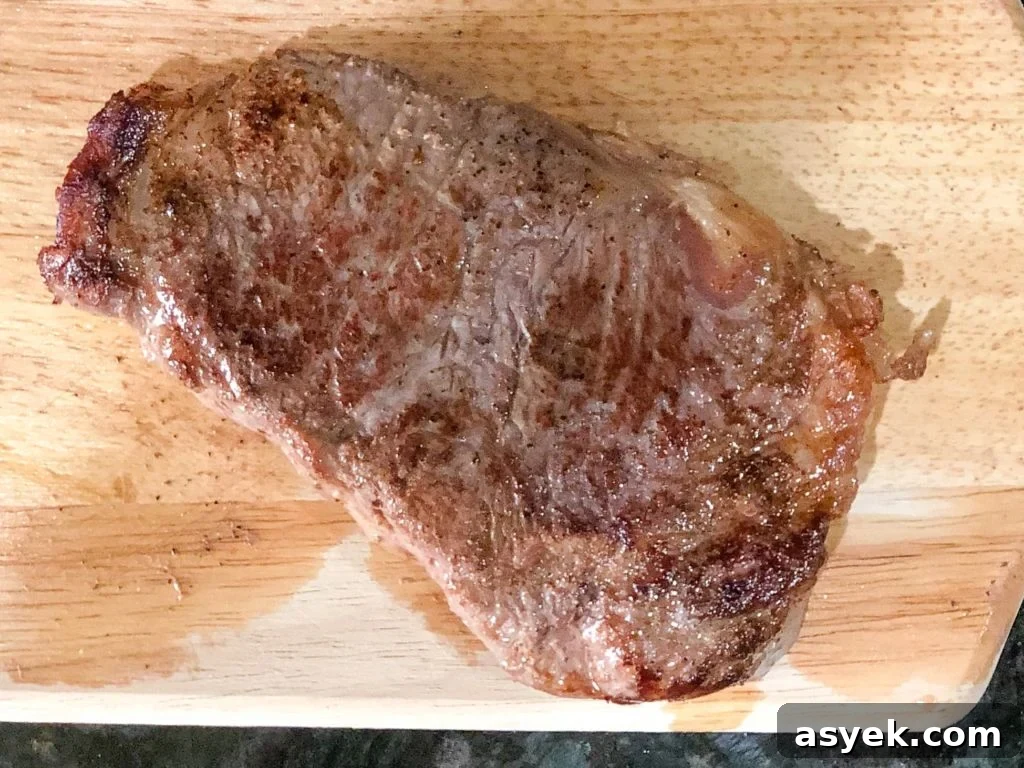
Enjoy!
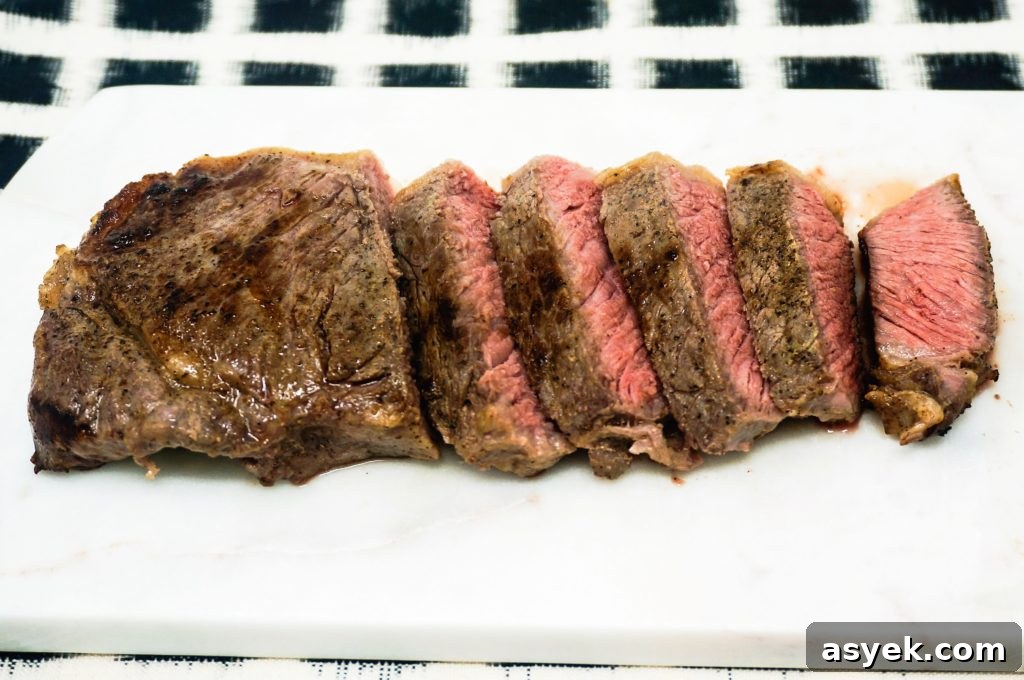
Sous vide steak pairs well with baked potatoes, grilled or air-fried corn, or a crisp side salad. Because sous vide holds precise temperatures, the Joule or any reliable circulator makes it practical to enjoy restaurant-quality steak at home any night of the week.
Q & A – Can you cook a frozen steak sous vide?
Yes. Cook frozen steaks at the same target temperature for your desired doneness, but allow extra time. Typical additional times for steaks cooked from frozen:
- 1/2-inch steaks from frozen = 45 minutes
- 3/4-inch steaks from frozen = 70 minutes
- 1-inch steaks from frozen = 90 minutes
- 1 1/2-inch steaks from frozen = 135 minutes
- 2-inch steaks from frozen = 180 minutes
Ingredients
- 2–4 New York strip steaks (or other tender steaks), 1–2 inches thick
- Salt and pepper, to taste
- Olive oil, a drizzle for the bag
- Butter or additional oil for searing
Directions
- Fill a stockpot or sous vide container about three-quarters full and attach the immersion circulator. Place the container on a heatproof surface.
- Set the circulator to the temperature for your preferred doneness (see temperatures above).
- Season steaks with salt and pepper. Place steaks in single-layer zip-top freezer bags and add a drizzle of olive oil. Remove as much air as possible by water immersion or use a vacuum sealer if you have one.
- When water reaches temperature, submerge the sealed bags so the steaks are fully under water. Clip or fold bag tops to prevent floating.
- Cook for the time appropriate to steak thickness. After the cook time, remove steaks from the bags and pat dry.
- Preheat a heavy skillet over high heat. Add butter or oil and sear steaks 45–60 seconds per side until a brown crust forms. Rest briefly, slice, and serve.
Equipment
- Immersion circulator (sous vide device)
- Large stockpot or sous vide container
- 1-gallon zip-top freezer bags or vacuum sealer with bags
- Heavy skillet or cast iron pan for searing
- Tongs and paper towels
Nutrition
Serving size and nutrition will vary by cut and portion. Estimate one steak per person for a family-style meal. Adjust based on appetite and side dishes.
Notes & Tips
- Pat steaks very dry before searing to maximize browning.
- Use a high smoke-point oil if you prefer oil over butter for searing, or finish with a small amount of butter for flavor after the crust forms.
- Sous vide makes timing flexible—steaks can remain in the bath for up to two hours after reaching temperature in most cases, which helps coordinate meal timing.
- Thicker steaks produce a thicker even zone of doneness and are easier to get a good sear without overcooking the interior.
Related Recipes from the Kitchen
Sous Vide Chicken Breasts
Sous Vide Hard-Boiled Eggs
Sous Vide Bacon
Monkey Bread
Italian Breadsticks — Olive Garden Copycat
Baked Cheesy Chicken Flautas
Traeger Grill Sirloin Steaks
Did you make this recipe? Leave a comment and rating on the original post to help other cooks and to share any variations you tried.